You might think sexual anxiety is about something that happens during intimacy — performance pressure, awkward timing, or a mismatch in desire. But often, the roots of that tension are planted long before you get anywhere near the bedroom. Two everyday habits, in particular, can quietly feed sexual anxiety without you realizing it. Recognizing them is the first step toward a more relaxed, connected sex life.
Habit 1: Chronic mental time travel — living in the past or future
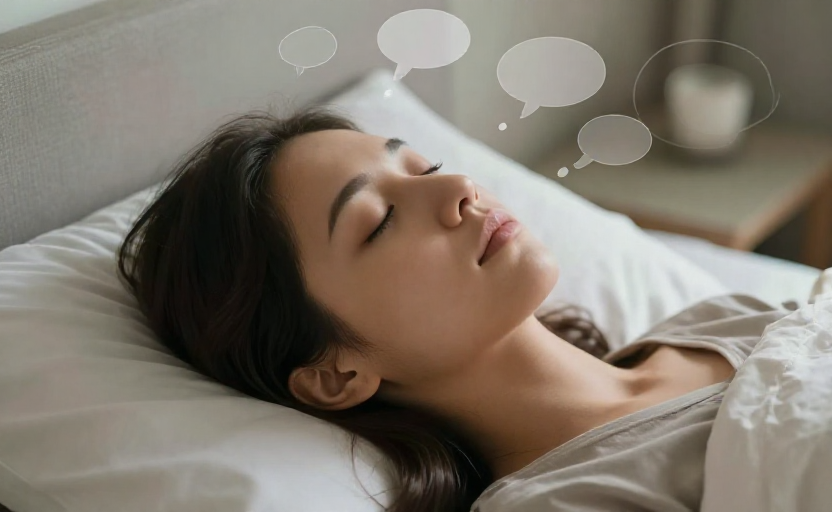
Your brain has a built-in tendency to replay past moments and constantly project into what's next. Psychologists sometimes call this having an "overdeveloped left brain" — a mind that reviews what went wrong yesterday and worries about what might happen tomorrow. During sex, this habit pulls you out of the present moment. Instead of feeling sensation, you're analyzing: Was that okay? Are they enjoying this? Will I be able to finish?
That mental loop is a direct tap into anxiety. When your attention is split, your body stays in a low-level alert state — the same fight-or-flight mode that constricts blood vessels and makes arousal harder to achieve. Mindfulness, which is simply the practice of anchoring your attention to the present (your breath, skin contact, sound), breaks that loop. It doesn't require sitting cross-legged for an hour; it can be as simple as noticing one sensation at a time. The result: less mental chatter, more physical presence, and a quieter nervous system.
Habit 2: Looking to your partner to "complete" you
Many of us absorb the idea — from movies, songs, even well-meaning advice — that a romantic partner is supposed to fill an emotional void. That expectation sets up a hidden pressure: if your partner doesn't make you feel whole, something is wrong. In the bedroom, that pressure shows up as a quiet but persistent fear that you're not enough, or that your partner's mood is your responsibility.
When you practice turning inward for a sense of stability — through meditation, journaling, or simply checking in with yourself before sex — you stop needing the encounter to rescue your self-esteem. That shift alone can dissolve a huge source of anxiety. You become free to enjoy intimacy as an addition to your life rather than as a cure for it.
Why these habits fly under the radar
Neither of these patterns looks like an obvious problem. Mental time travel is often mistaken for being "thoughtful" or "analytical." The partner-completion habit just looks like romantic devotion. But both share a hidden consequence: they keep you disconnected from your own body and from the actual person in front of you. That disconnection is the breeding ground for sexual anxiety.
“The most common reason couples don't have sex is exhaustion — not lack of love. Mindfulness repairs that by restoring deep rest and focus.”
A simple way to reset both habits
You don't need a complete lifestyle overhaul. Start with one minute of deliberate presence before sex: close your eyes, take two slow breaths, and feel the weight of your body on the mattress. That tiny pause signals to your nervous system that it's safe to shift from alert mode to connection mode. Over time, the habit of returning to the present — and the habit of sourcing your sense of worth from within — can quietly replace the patterns that used to feed anxiety.
The goal isn't perfection. It's about recognizing that the quiet habits running in the background of your mind matter just as much as what happens in the moment. When you bring awareness to them, you stop feeding the anxiety — and make room for genuine intimacy.