
Heavy menstrual bleeding—medically known as menorrhagia—affects many women at some point in their lives. While some causes are medical (fibroids, hormonal imbalances, or clotting disorders), day-to-day habits can also play a role. You might be surprised to learn that certain routines you consider harmless could actually make heavy bleeding worse. Below, we look at two specific habits that can exacerbate heavy menstrual bleeding at home, along with practical adjustments you can try.
Habit #1: Overusing NSAIDs like ibuprofen for cramps
Non-steroidal anti-inflammatory drugs (NSAIDs), such as ibuprofen and naproxen, are commonly used to relieve period pain. Taken correctly, they can reduce prostaglandins—chemicals that trigger uterine contractions and inflammation. However, there is a catch: taking NSAIDs too frequently or in high doses over several days can interfere with platelet function and prolong bleeding time in some individuals.
The typical advice is to use the lowest effective dose for the shortest duration needed. If you find yourself relying on ibuprofen around the clock for the entire duration of your period, you may be inadvertently increasing the volume or duration of your flow. This is not to say you should avoid pain relief—just that you should be mindful of how much and how often you take it.
A practical approach: Use NSAIDs only when cramps are moderate to severe, and try non-medical options first—like a heating pad, gentle stretching, or a warm bath. If you need pain relief for more than two or three days each cycle, talk to a healthcare provider about other strategies.
Habit #2: Skimping on iron-rich foods and overdoing caffeine
Your diet directly influences how your body handles blood loss. Heavy bleeding depletes iron stores, which can lead to anemia—and anemia, in turn, can make periods even heavier. It becomes a cycle: you bleed more, feel more fatigued, reach for coffee or energy drinks to stay alert, and then the caffeine may disrupt sleep and stress hormones, further affecting your cycle.
Caffeine itself does not directly cause heavier bleeding, but it can interfere with iron absorption (especially when consumed with meals) and may worsen anxiety or sleep quality. Poor sleep and high stress are known to dysregulate the hypothalamic-pituitary-ovarian axis, potentially leading to more erratic or heavy bleeding.
What to do instead
- Eat iron-rich foods daily: Lean red meat, poultry, fish, lentils, spinach, and fortified cereals. Pair them with vitamin C (like citrus or bell peppers) to boost absorption.
- Limit caffeine to one or two servings early in the day. Avoid drinking coffee or black tea with iron-rich meals; wait at least an hour after eating.
- Stay hydrated with water and herbal teas. Dehydration can make cramps worse and may increase the perception of heavy bleeding.
Other daily habits that may contribute
While the two habits above are the main focus, a few other household patterns can exacerbate heavy menstrual bleeding:
- Inconsistent sleep schedule: Going to bed and waking at different times can disrupt hormonal regulation.
- High-intensity exercise during peak flow: For some women, very vigorous workouts can temporarily increase bleeding. Gentle movement like walking or yoga is fine.
- Skipping meals or extreme dieting: Low-calorie intake stresses the body and can affect menstrual cycle regularity.
When to consult a doctor
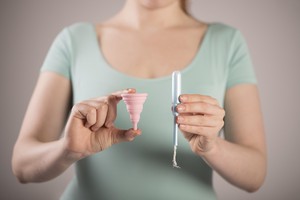
Heavy menstrual bleeding is not just a nuisance—it can significantly affect your quality of life and health. If you are soaking through a pad or tampon every hour for several hours, passing large clots (bigger than a quarter), or feeling lightheaded and short of breath, seek medical evaluation. A healthcare provider can check for underlying conditions such as thyroid disorders, polyps, or uterine fibroids and offer treatments ranging from hormonal therapy to minimally invasive procedures.
The bottom line
You have more control over your period health than you might think. By being mindful of how you use NSAIDs and what you eat and drink each day, you can reduce the likelihood of making heavy bleeding worse. Small shifts—choosing water over a second cup of coffee, eating a handful of spinach, and using pain relief sparingly—can add up to a more manageable cycle. Track your symptoms and note any changes; this information is invaluable if you decide to talk with a specialist.