
When you're trying to conceive, understanding what supports healthy ovulation is key. While many factors influence the menstrual cycle, two common modern habits can quietly throw ovulation off course — especially for women with underlying conditions like PCOS (polycystic ovary syndrome). The good news is that both of these habits are within your control to change.
Let's look at what the research and clinical experience tell us about these disruptors and, more importantly, what you can do instead to support regular ovulation and improve your chances of pregnancy.
Habit #1: A sedentary lifestyle with little daily movement
Urbanization and desk-bound routines have made prolonged sitting the norm. But when your body is inactive for most of the day, it affects more than your waistline — it can disrupt your hormonal balance. Lack of regular physical activity contributes to insulin resistance, a condition where your cells don't respond well to insulin. High insulin levels can, in turn, signal the ovaries to produce excess male hormones (androgens), which interferes with the delicate hormonal cascade needed for ovulation.
For women with PCOS, this effect is even more pronounced. Studies show that consistent exercise improves insulin sensitivity and helps lower androgen levels, making regular ovulation more likely.
What to do instead: Move your body daily, but keep it sustainable
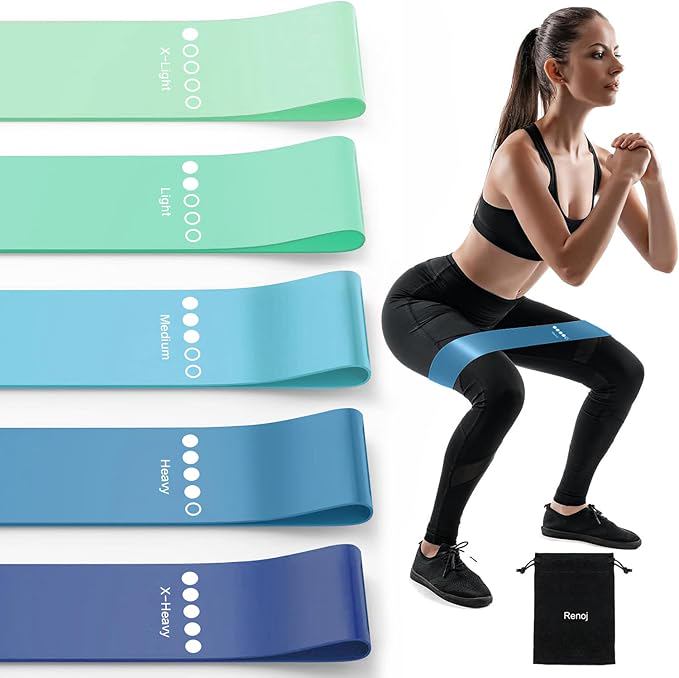
You don't need a high-intensity workout to see benefits. The goal is consistency, not intensity. Aim for 30 to 45 minutes of moderate movement each day. Walking, cycling, and swimming are excellent choices that are easy on the joints and can be sustained long-term.
Focus on exercises that engage the core body muscles — particularly the abdominals, hips, and thighs. This includes:
- Brisk walking or light jogging
- Cycling (outdoor or stationary)
- Swimming or water aerobics
- Yoga or Pilates for core strength
A simple rule: If you sit for work, set a timer to stand up and stretch or walk for a few minutes every hour. Small breaks add up.
Habit #2: A high-calorie, ultra-processed diet
The second major disruptor is the standard modern diet — heavy on fast food, refined carbohydrates, and sugary drinks, but low in fiber and nutrients. This eating pattern is a direct driver of insulin resistance, weight gain, and chronic inflammation. All three of these work against healthy ovulation.
It's easy to underestimate how quickly food choices impact hormone health. A high intake of refined sugar and white flour causes sharp spikes in blood sugar and insulin. Over time, the ovaries become less responsive to normal hormonal signals, leading to irregular or absent ovulation.
This is why PCOS is sometimes described as a "lifestyle disease" — not as a judgment, but because diet and activity patterns play such a powerful role in its severity.
What to do instead: Prioritize protein, fiber, and healthy fats
Instead of following a drastic or restrictive diet that promises fast results, aim for a balanced pattern you can maintain for life. Dietary changes account for about 70% of the weight loss seen in PCOS management, so the kitchen matters as much as the gym.
- Build meals around lean protein (chicken, fish, eggs, tofu) and plenty of non-starchy vegetables.
- Choose high-fiber carbohydrates like legumes, oats, quinoa, and whole grains instead of white bread or pasta.
- Include healthy fats from sources like avocado, nuts, seeds, and olive oil.
- Reduce or eliminate sugary beverages — this is one of the easiest swaps with the biggest impact.
Work with a registered dietitian or a doctor familiar with PCOS to create a plan tailored to your body. Crash diets can trigger hormonal stress and make ovulation less likely, so slow, steady changes are best.
Bringing it together: How lifestyle change supports ovulation
When you combine regular movement with an anti-inflammatory, blood-sugar-friendly diet, two critical things happen. First, your body becomes more sensitive to insulin, which helps lower circulating androgens. Second, sustainable weight loss — even a modest 5–10% reduction in body weight — can restart ovulation in many women with PCOS who were not ovulating at all.
This isn't just theory. In clinical practice, women with PCOS are often advised to try lifestyle changes for at least three to six months before moving on to medical treatments. For many, spontaneous ovulation and pregnancy occur during this window, without any medication.
If you don't see results within that timeframe, there are effective medical options. Ovulation induction medicines (oral pills or injectable hormones) can help produce a healthy egg. These are usually monitored with ultrasound to track follicle growth and time intercourse. For more severe cases, IVF is a proven path to pregnancy.
But no matter which route you take — natural or assisted — a healthy lifestyle amplifies your chances. Women who achieve weight loss and maintain regular exercise have better outcomes with fertility treatments and healthier pregnancies overall.
Common questions about ovulation and fertility habits
Can you get pregnant naturally with PCOS?
Yes. Many women with PCOS conceive spontaneously. The key is addressing the underlying hormonal and metabolic imbalances through lifestyle changes. If spontaneous pregnancy doesn't occur after several months of trying, medical help is available — and lifestyle changes still improve the odds of success with those treatments.
How long should I try lifestyle changes before seeing a fertility specialist?
A reasonable window is three to six months. This gives your body enough time to adjust, and it's also a period where you can build sustainable habits. If you're over 35 or have other health concerns, you may want to consult a specialist sooner. Your doctor can help you decide the right timeline.
Does stress affect ovulation?
While not covered in the two main habits above, chronic stress can raise cortisol levels, which may interfere with the hormones that control ovulation. Adding stress-management practices like deep breathing, adequate sleep, and gentle movement can complement the dietary and exercise changes discussed here.