
We spend roughly a third of our lives asleep, yet most of those hours vanish without a trace. For people who wake up with a wisp of a dream—only to lose it by the time they find the bathroom—the frustration is real. While dream recall is a skill that can be practiced, your dinner plate might also be playing a quiet role. Here’s what two registered dietitians point to when asked about supporting more vivid, memorable dreams.
Why food and dreams are connected
Dreaming mostly happens during REM sleep, a phase when the brain is nearly as active as it is while you’re awake. Neurotransmitters, hormones, and even nutrient availability all influence how well you cycle into and out of REM, and how clearly you hold onto dream fragments upon waking. A diet that supports stable blood sugar, neurotransmitter production, and hydration sets the stage for clearer dream recall—but two foods in particular keep coming up in professional conversations.
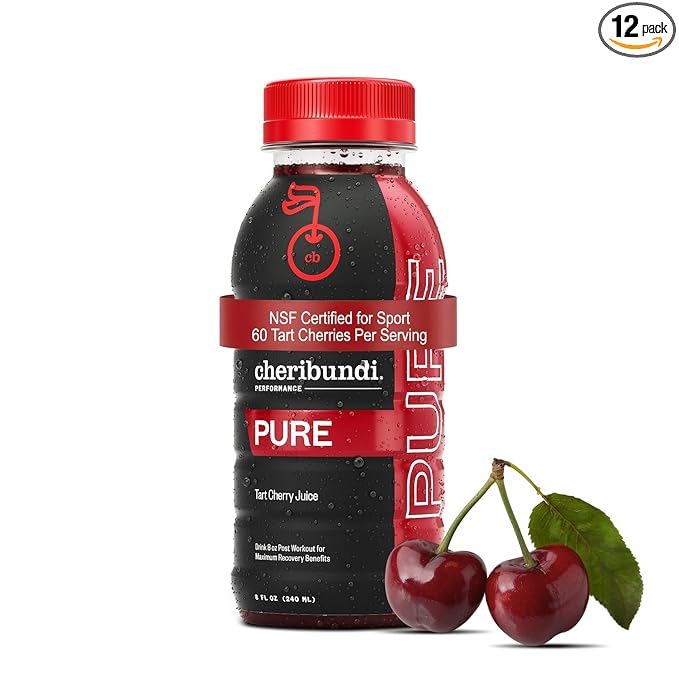
The first food: tart cherries (and tart cherry juice)
Tart cherries are one of the few natural food sources of melatonin, the hormone that helps regulate your sleep-wake cycle. But they also contain tryptophan and anthocyanins—compounds that may increase the length and quality of REM sleep. Longer, less disrupted REM cycles mean more time for complex dreaming, and more opportunity to remember those dreams.
Tip from dietitians: A small glass of tart cherry juice about 45 minutes before bed may support sleep quality. Look for 100% juice with no added sugar.
The research is still emerging, but a 2018 study in the American Journal of Therapeutics found that participants who drank tart cherry juice for two weeks slept longer and reported less fragmentation in their sleep. More continuous sleep typically correlates with better dream recall. Tart cherries are also rich in antioxidants that reduce oxidative stress, which may interfere with sleep architecture when elevated.
How to include tart cherries
- Drink unsweetened tart cherry juice as part of an evening wind-down routine.
- Add dried tart cherries to a bedtime snack with a small handful of almonds.
- Frozen tart cherries can be blended into a smoothie if you sleep a few hours after eating.
The second food: fatty fish (especially salmon, mackerel, and sardines)
Fatty fish are the most concentrated dietary source of long-chain omega-3 fatty acids, particularly DHA. DHA is a structural component of brain cell membranes, and it plays a direct role in how neurons communicate during sleep. The connection to dreaming comes through two channels: serotonin production and melatonin regulation.
Omega-3s help the brain use tryptophan more efficiently, which supports serotonin synthesis. Serotonin is a precursor to melatonin, but it also helps regulate REM sleep directly. People with higher omega-3 intake often show improved sleep efficiency—meaning they spend less time tossing and turning and more time in restorative sleep stages, including REM.
A 2014 study published in the Journal of Sleep Research linked higher blood levels of DHA to fewer nighttime awakenings and longer total sleep time. And in a 2020 systematic review, omega-3 supplementation was associated with modest improvements in sleep quality, especially in populations with low baseline intake. Better sleep quality means more coherent dream cycles—and potentially better recall.
Dietitian note: Two servings of fatty fish per week are generally recommended for brain health. Grilled salmon with dinner, sardines on whole-grain crackers, or mackerel in a salad all work.
What about magnesium or B6?
You may have heard that magnesium or vitamin B6 can boost dream vividness. Some small studies suggest that magnesium glycinate may help with muscle relaxation and sleep onset, while B6 is involved in neurotransmitter synthesis—but the evidence is less consistent. Dietitians typically recommend getting these from whole foods first: leafy greens, seeds, bananas, and chickpeas for magnesium; poultry, potatoes, and non-citrus fruits for B6. Tart cherries and fatty fish happen to deliver both nutrients incidentally, which adds to their appeal.
What to avoid for dream recall
Some habits work against dream recall even if you eat the right foods.
- Alcohol before bed: Even one drink can suppress REM sleep and reduce dream vividness.
- Large, heavy meals late at night: Digestion can pull blood flow away from the brain and cause restless sleep.
- Spicy or acidic foods: These can trigger acid reflux, which may wake you during REM periods.
- Caffeine after 2 p.m.: Caffeine can linger in the system for hours and disrupt sleep architecture.
How to combine these foods with dream recall techniques
Food alone won't make you remember your dreams if you never write them down. The dietitians who recommend these two foods usually pair them with simple behavioral cues:
- Keep a small notebook and pen on your nightstand. Write down anything you remember immediately upon waking, even if it's just a feeling or a color.
- Set a gentle intention before falling asleep: tell yourself, “I will remember my dreams tonight.” This primes your brain to prioritize recall.
- Wake up naturally when possible. Abrupt alarm clocks can erase dream memories within seconds.
Tart cherries and fatty fish won't give you cinematic dreams every night, but they support the neurochemical environment where vivid dreams are more likely to form—and more likely to stick around long enough to write down.
This article is for general wellness education only and does not provide medical advice. Always consult a qualified healthcare provider before making significant dietary changes or using supplements to address sleep or mental health concerns.