Feeling lightheaded or faint is unsettling, especially if it happens suddenly. For people with blood pressure concerns, that woozy sensation can be a signal that something is off—but it’s hard to act on a signal you can’t measure. Having a plan for tracking your pressure during an episode not only helps you and your doctor understand patterns; it also gives you a sense of control in a moment that can feel scary.
The key is to use two straightforward methods that are safe, reliable, and doable even when you’re not feeling steady on your feet. Here’s what health experts recommend.
Method 1: Use a validated automatic upper-arm monitor (if you can sit safely)
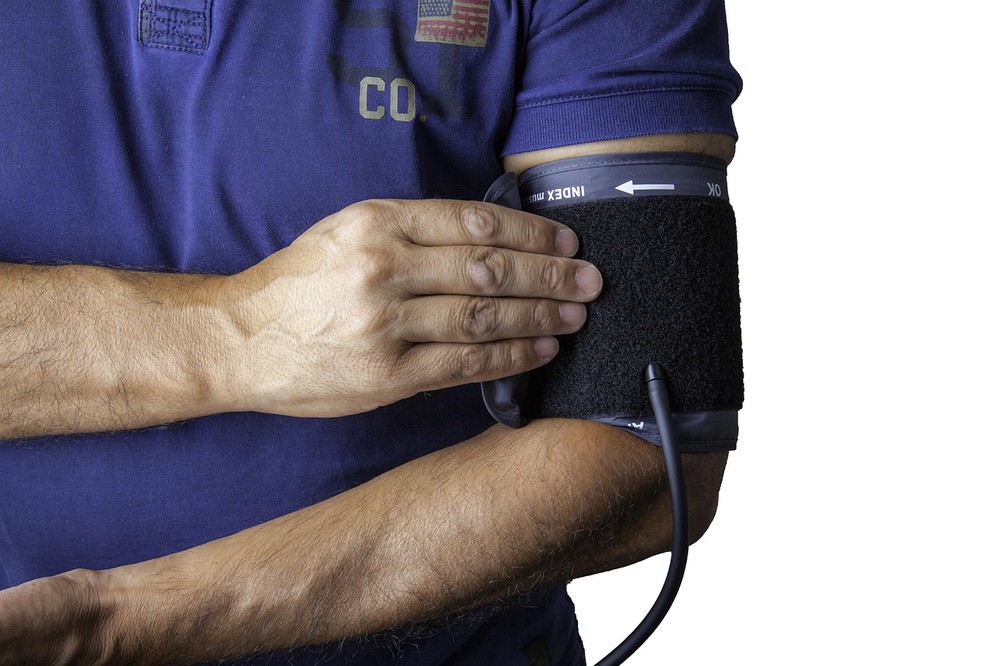
When you start to feel faint, your instinct might be to reach for a wrist cuff or a finger monitor because they seem easier to use while lying down. But research consistently shows that upper-arm monitors with a standard cuff are more accurate—provided you can sit safely with your back supported and feet flat on the floor.
If you’re lightheaded but not yet at risk of falling, sit down immediately. Rest your arm on a table or armrest so the cuff is at heart level. Take one reading, note it, and then lower your head between your knees if the faintness continues. The reading you get—even if it’s not perfect—gives your doctor a snapshot of what your pressure does during symptoms.
A helpful tip from cardiology nurses: Keep a log on your phone or in a small notebook that includes not just the numbers but also a note about what you were doing right before the faint feeling started (standing up quickly, skipping a meal, etc.).
Method 2: Palpable pulse check for immediate clues (when a monitor isn’t available)
Sometimes you don’t have a monitor handy, or you’re too dizzy to set one up correctly. In that case, your own body can give you a quick, rough estimate. This method is called a palpable pulse check, and it’s one of the oldest ways clinicians gauge circulation status in the field.
Place two fingers on your radial pulse (inside your wrist, below the thumb) or on your carotid pulse (just to the side of your Adam's apple). Count the beats for 15 seconds and multiply by four to get your heart rate. If your pulse feels weak, thready, or very slow (below 60) or very fast (above 100), it’s a strong clue that your blood pressure may be low enough to warrant medical attention.
This is not a substitute for a cuff reading, but it provides immediate real-time feedback. If you notice an irregular rhythm or a rate that feels extreme, call your doctor or seek emergency care.
Why the pulse matters
When your blood pressure drops, your heart may try to compensate by beating faster. That rapid pulse can be a warning sign. On the other hand, some people with vasovagal syncope (fainting triggered by an overreactive nervous system) actually have a slow pulse right before they faint. Knowing your baseline resting heart rate helps you interpret these changes.
When to take your measurements—and what to do next
Timing matters. Try to take a reading as soon as the faint feeling starts, while you’re still symptomatic. If you wait until you feel better, the numbers will reflect a recovered state, which gives a less useful picture. Then take another reading about five minutes after you feel back to normal.
- First reading: as soon as you notice dizziness or lightheadedness
- Second reading: five minutes after symptoms resolve, while still sitting
Share both numbers with your healthcare provider. This before-and-after comparison can reveal patterns that a single reading in the clinic might miss—for example, whether your pressure drops sharply upon standing (orthostatic hypotension) or whether it swings high before a fainting spell.
Practical prep: have your tracking kit ready
You can’t pull out a monitor and a logbook if they’re buried in a drawer. Keep a blood pressure cuff in a place where you spend a lot of time (by your favorite armchair, in your bedroom). A small notebook or a notes app with a template makes logging easier. Some people also keep a list of questions to ask the doctor whenever a new symptom pattern emerges.
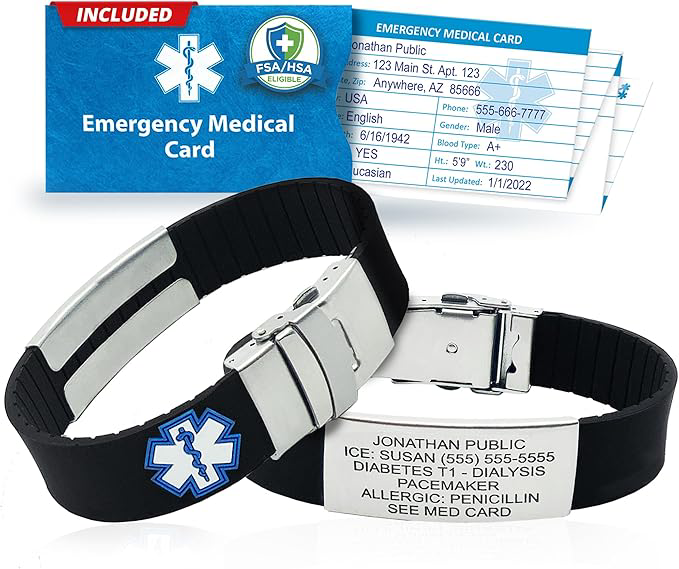
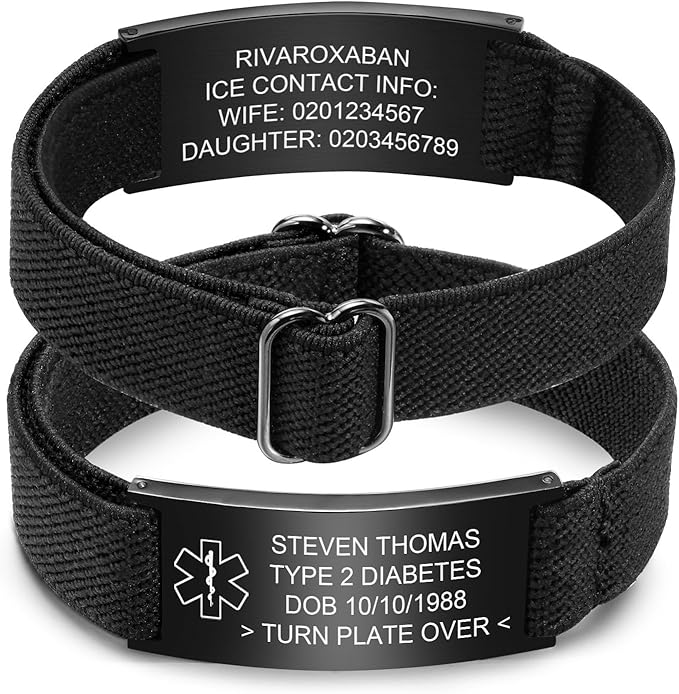
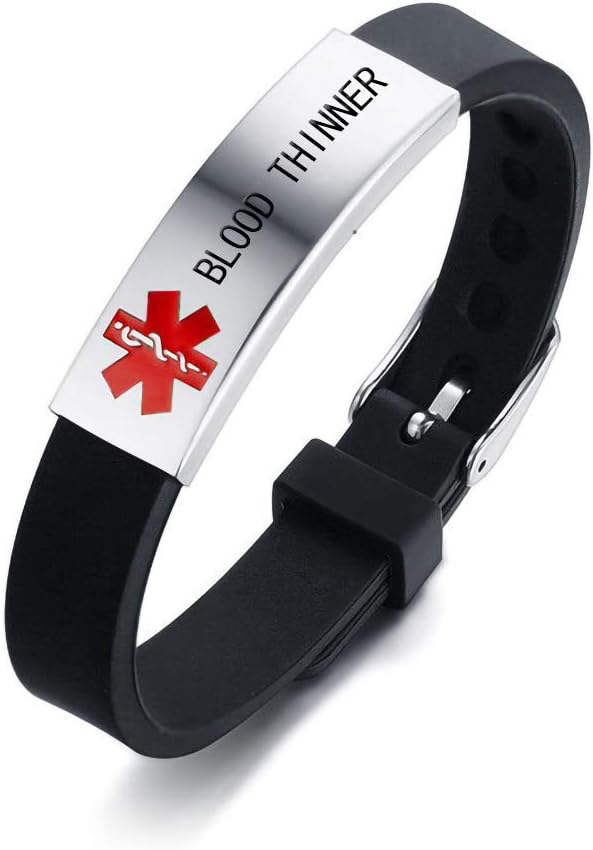
If you live alone or have had fainting episodes before, consider wearing a medical ID alert bracelet that notes your history. It’s a backup safety net so that if you do faint, emergency responders know you may have blood pressure instability.
A final word on safety
Tracking your blood pressure at home is valuable, but it doesn’t replace professional medical advice. If you have fainted—even once—talk to your doctor about a personalized plan. Frequent fainting, chest pain, shortness of breath, or a very slow or very rapid pulse are reasons to seek immediate care.