Living with congenital heart disease (CHD) often means navigating a mix of routine checkups and daily self-awareness. Between appointments, knowing exactly what to watch for and how to track it can feel both empowering and, at times, overwhelming. The goal isn't to become your own cardiologist, but to build simple, reliable habits that help you spot meaningful changes early and communicate them clearly to your care team.
If you or a family member has a congenital heart condition, the following two strategies offer a practical framework for home monitoring. They are grounded in advice from cardiologists and patient educators who specialize in lifelong CHD management.
Strategy 1: Build a symptom journal that actually works
A symptom journal is only useful if it’s consistent, honest, and easy to stick with. Many people start with good intentions, then abandon the notebook after a few weeks because the format felt too vague or too demanding. The trick is to keep it focused on the handful of signals that matter most for congenital heart patients.
What to track daily
Your journal should center on these baseline measurements and sensations:
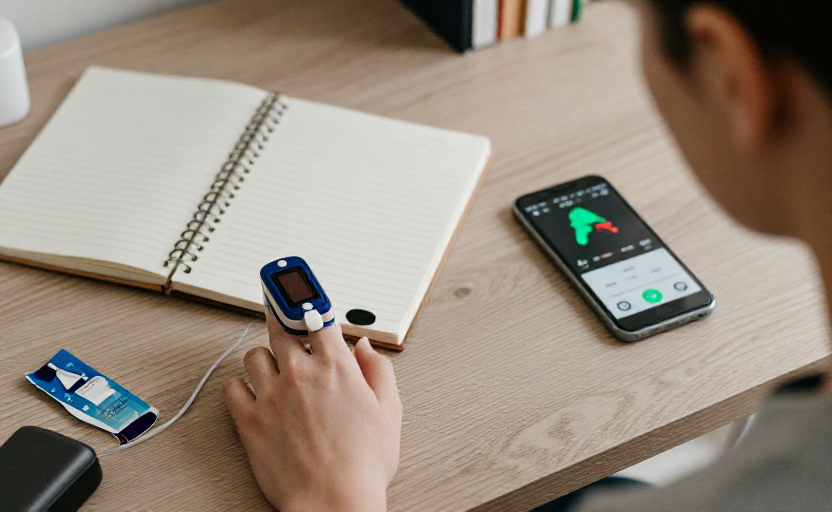
- Resting heart rate and oxygen saturation — Take these at the same time each morning, before getting out of bed or having caffeine. A pulse oximeter is a low-cost tool that gives you both numbers in seconds. Note the reading and any irregularities.
- Energy levels and activity tolerance — On a simple scale of 1 to 10, how did you feel during your usual morning routine? Did climbing a flight of stairs or carrying groceries feel harder than yesterday?
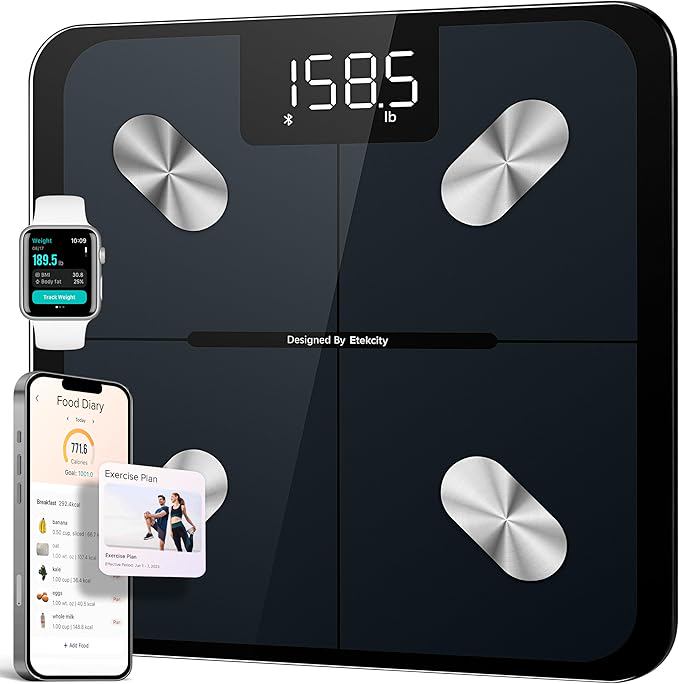
- Swelling and weight shifts — Weigh yourself daily (same scale, same time) and note any puffiness in your ankles, feet, or belly. A sudden gain of 2–3 pounds in a day can signal fluid retention.
When to add a “note”
Leave room each day for one line of open notes. This is where you capture symptoms that are new or changing: a fluttering sensation in the chest that lasts a few minutes, a new cough that won't settle, or feeling unusually dizzy after meals. Don’t judge or filter these entries — your doctor will want to see the raw pattern, not your interpretation.
Keep your journal simple enough to fill out in 3 minutes. Complexity kills consistency.
Strategy 2: Use a stoplight system for symptom severity
One of the hardest parts of home monitoring is deciding when a symptom warrants a call to the doctor versus a quiet day of rest. The stoplight method — used by many pediatric cardiology programs and adapted for adults — gives you a clear decision framework.
Green zone: steady state
You feel your usual baseline. Heart rate and oxygen levels are in your personal target range. You can do your daily activities without unusual shortness of breath or chest discomfort. Continue your normal monitoring and journaling. No action needed.
Yellow zone: watch closely
Something has shifted, but it's not urgent. Examples include: a heart rate that's 10–15 beats above your norm for two days in a row, mild ankle swelling that doesn't improve with elevation, or feeling winded after activities you used to manage easily.
In the yellow zone, double-check your journal entries and consider calling your cardiology nurse or doctor’s office for guidance within 24 hours. Do not wait for a scheduled appointment if the pattern persists for more than 48 hours.
Red zone: seek care now
These are signs that need immediate attention: chest pressure or pain that lasts more than a few minutes, sudden severe shortness of breath even at rest, fainting or near-fainting, rapid weight gain of 3 pounds or more overnight, or oxygen saturation readings that drop below 90% and do not improve.
In the red zone, call 911 or go to the emergency room. Do not wait for a callback from your doctor’s office.
How to share your data with your care team
A detailed journal is most powerful when you bring it into the exam room — or better yet, share it ahead of time. Many cardiology clinics now accept electronic logs via patient portals. You can take a photo of your handwritten pages or upload a simple spreadsheet. Highlight entries that fall in the yellow or red zones with a sticky note or a colored marker.
When you talk to your cardiologist, lead with the pattern, not the panic. Say: “I noticed my resting heart rate went from 72 to 86 over three days and stayed there,” instead of “I think something is wrong.” Data helps your doctor distinguish between a true change in your condition and an anxious day.
Common pitfalls to avoid
- Tracking too many things. If you measure everything from blood pressure to sleep quality to daily mood, you’ll burn out. Stick to the 3–4 metrics your cardiologist specifically asked you to monitor.
- Ignoring the “off” feeling. Intuition matters. If your numbers look normal but something feels wrong, add a note to your journal and mention it to your doctor. Subtle symptoms can be the first clue.
- Waiting too long to call. Some people hesitate because they don’t want to “bother” the doctor. Your care team genuinely wants to hear about yellow-zone patterns before they escalate.
Home monitoring for congenital heart symptoms isn't about perfection — it's about creating a gentle, consistent practice that helps you stay in tune with your body. Over time, that rhythm becomes second nature, and you’ll walk into every appointment with a clear, confident picture of how you’ve been doing between visits.