
For many women, menopause brings more than hot flashes and mood swings. Sleep often becomes elusive—waking up at 3 a.m., struggling to fall back asleep, or feeling exhausted despite spending enough time in bed. While hormonal shifts are natural, there are practical, expert-backed lifestyle changes that can help. Here, we focus on two specific, science-supported strategies to improve sleep quality during this transition.
Why Sleep Gets Disrupted During Menopause
The drop in progesterone and fluctuating estrogen levels directly impact your sleep-wake cycle. Progesterone has a natural calming effect and promotes sleep. As it declines, falling asleep and staying asleep becomes harder. Estrogen fluctuations can also trigger night sweats and temperature dysregulation, further fragmenting sleep. The good news: targeted lifestyle habits can help restore balance without medication.
A quick caveat: These tips are general wellness education. Always talk to your healthcare provider before making significant changes to your routine, especially if you have underlying conditions.
Tip #1: Stabilize Your Blood Sugar for Deeper Sleep
Blood sugar dips and spikes are a common but overlooked cause of middle-of-the-night waking. When your blood sugar drops too low, your body releases cortisol and adrenaline to bring it back up—and these stress hormones can jolt you awake.
To prevent this, focus on eating balanced meals that combine protein, healthy fats, and complex carbohydrates. For instance, pairing Greek yogurt with a handful of almonds and berries before bed provides steady fuel without causing a sugar spike. Avoid high-sugar snacks and refined carbs in the evening, as they can lead to that disruptive 3 a.m. rebound.
Simple evening eating guidelines
- Eat your last meal or snack at least two hours before bedtime.
- Include a protein source with your evening snack (e.g., cheese, nuts, or a small portion of chicken).
- Avoid alcohol and caffeine after 2 p.m.—both interfere with sleep architecture.
Tip #2: Manage Your Stress—and Your Body Temperature
Chronic stress keeps cortisol levels high, which suppresses progesterone production and disrupts sleep. At the same time, night sweats from dropping estrogen make temperature regulation a nightly battle. Addressing both can create a powerful sleep-supportive environment.
Stress-reduction techniques that actually work at night
Try a simple 5-minute wind-down ritual an hour before bed. This could be slow, deep breathing (in for four counts, hold for four, out for six), a warm bath (which helps cool your core body temperature afterward), or gentle stretching. Consistency matters more than intensity—your nervous system learns that this routine signals safety and rest.
Cooling your sleep environment
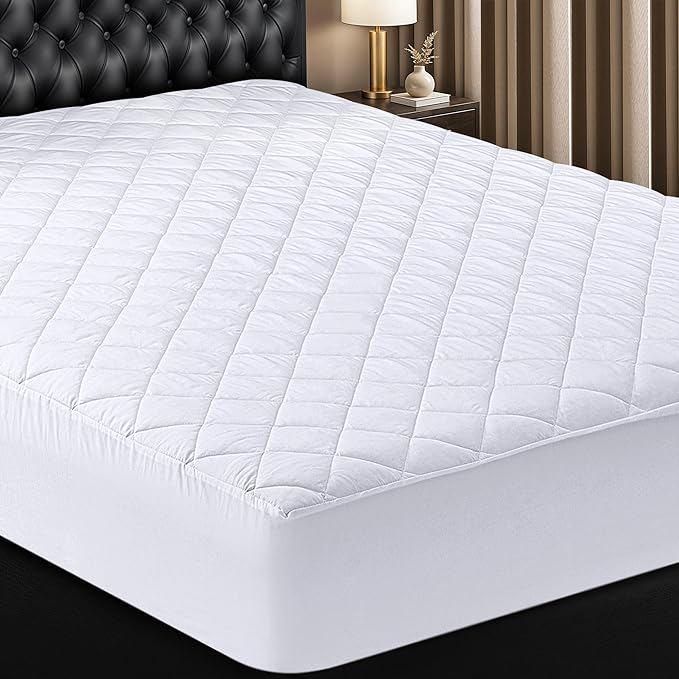
Set your thermostat between 60–67°F (15–19°C). Use moisture-wicking pajamas and bedding. Keep a small fan near the bed or a cool compress on your nightstand. If you wake up drenched, have a clean, dry set of pajamas ready to change into without fully waking up. These small adjustments can drastically reduce sleep interruptions from temperature swings.
Putting It Together: A Sample Evening Routine
- 6:30 p.m.: Eat a balanced dinner (protein + vegetables + healthy fat).
- 8:00 p.m.: Start winding down—no screens, dim lights.
- 8:15 p.m.: Take a warm bath or shower (this helps cool your body afterward).
- 8:45 p.m.: Drink a warm cup of chamomile or peppermint tea.
- 9:00 p.m.: Do 5 minutes of deep breathing or gentle yoga stretches.
- 9:30 p.m.: Get into a cool, dark room—use your cooling pajamas and bedding.
You don't have to do every step perfectly. Even adopting one or two of these tactics can make a noticeable difference in how quickly you fall asleep and how often you wake up.
When to Seek Professional Help
If lifestyle changes don't improve sleep after a few weeks, or if you're experiencing severe night sweats, mood changes, or fatigue, talk to your doctor. They can check for underlying conditions such as thyroid imbalances, sleep apnea, or iron deficiency. Hormone therapy or other treatments may be appropriate for some women—but that decision should always be individualized with medical guidance.
Sleep is not a luxury during menopause; it's a necessity for your body and mind. By stabilizing your blood sugar and managing stress and temperature, you give your body the best chance at restorative rest.