
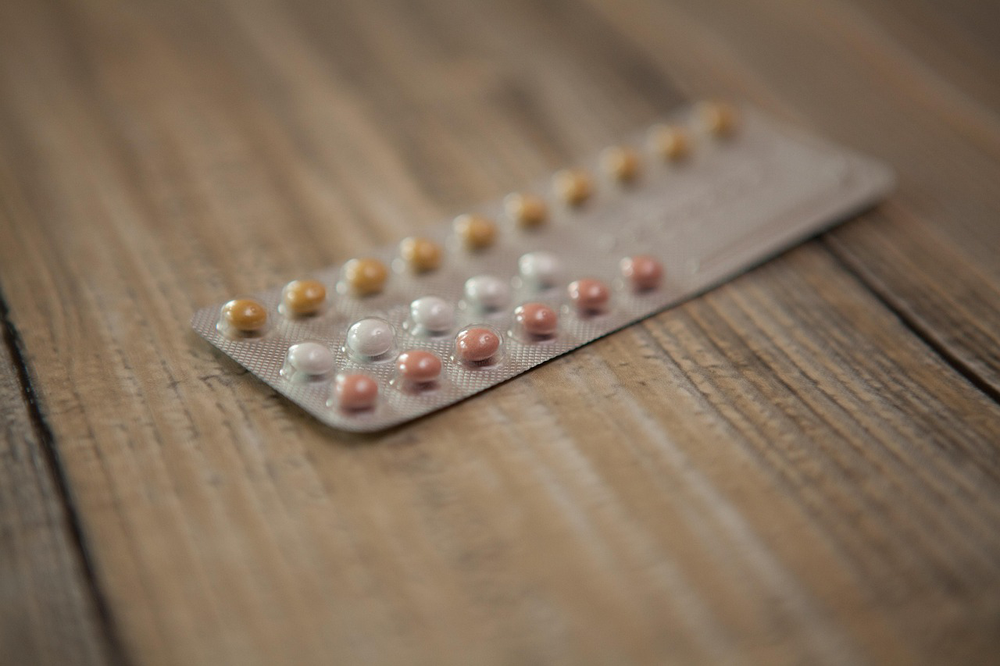
Bloating is one of the most common complaints among people who use hormonal contraception. That tight, swollen feeling in the abdomen can be uncomfortable and frustrating, especially when you are not sure what is causing it or how to ease it. While some degree of water retention and gas can be a normal side effect of birth control, there are practical, expert-backed lifestyle shifts that may help reduce that bloated sensation.
The key is understanding that contraceptive-related bloating is often tied to hormonal fluctuations—specifically estrogen and progestin—which can affect how your body handles fluid and digestion. The two adjustments below focus on gentle dietary patterns and physical habits that support your body's natural balance without requiring drastic changes.
Adjustment #1: Prioritize Potassium-Rich and Anti-Inflammatory Foods
Hormonal contraceptives can influence the balance of sodium and potassium in your body, leading to water retention. One of the most effective ways to counteract this is to include foods that naturally support fluid balance and reduce inflammation. Think of this not as a restrictive diet but as a gentle shift in what lands on your plate.
Potassium-rich foods help your kidneys flush out excess sodium and water. Easy additions include bananas, avocados, sweet potatoes, spinach, and coconut water. At the same time, anti-inflammatory ingredients like ginger, turmeric, leafy greens, and berries can calm the digestive tract, which may be more sensitive during hormonal shifts.
Try to limit highly processed foods and those with added sodium, as they can worsen water retention. A simple swap—like reaching for a handful of almonds instead of a bag of salty chips—can make a noticeable difference over a few days.
Adjustment #2: Build in Gentle Movement and Mindful Breathing
Physical activity helps stimulate digestion and reduce the fluid retention that contributes to bloating. You do not need to run a marathon. Even 15 to 20 minutes of moderate movement can encourage your lymphatic system to drain excess fluid and get your intestines moving more regularly.
Walking, yoga, and light cycling are excellent choices. Specific yoga poses—such as seated twists, child's pose, and legs-up-the-wall—can target abdominal discomfort directly. These positions gently massage the internal organs and may help release trapped gas.
A quick tip: Deep, diaphragmatic breathing for a few minutes before or after movement can activate the parasympathetic nervous system, which helps your body shift from 'stress mode' to 'rest and digest.' This alone can ease a bloated feeling.
When to Expect Relief
Consistency matters more than intensity. If you incorporate these two adjustments into your routine for at least a week, many people notice a reduction in the severity and frequency of bloating. Keep in mind that everyone's body responds differently to hormonal contraception, and it can take your system three to six months to fully adjust to a new method.
If bloating is severe, persistent, or accompanied by pain, it is always wise to check in with a healthcare provider. Sometimes bloating can signal an underlying issue unrelated to your birth control, such as irritable bowel syndrome or a food sensitivity.
Two More Small Changes That Support the Main Adjustments
While the two core adjustments above are the strongest levers, you can amplify their effects with these simple habits:
- Stay hydrated. Drinking enough water throughout the day prevents your body from holding onto extra fluid as a defense mechanism. Aim for small, consistent sips rather than gulping large amounts at once.
- Eat slowly and mindfully. Swallowing air while eating or drinking can contribute to gas. Chewing thoroughly and putting your fork down between bites gives your stomach time to signal fullness without overloading your digestive system.
None of these suggestions replace medical advice, and they are not a guarantee that bloating will disappear completely. But for many people, these two expert-backed lifestyle adjustments offer a safe, drug-free way to feel more comfortable while using hormonal contraception.