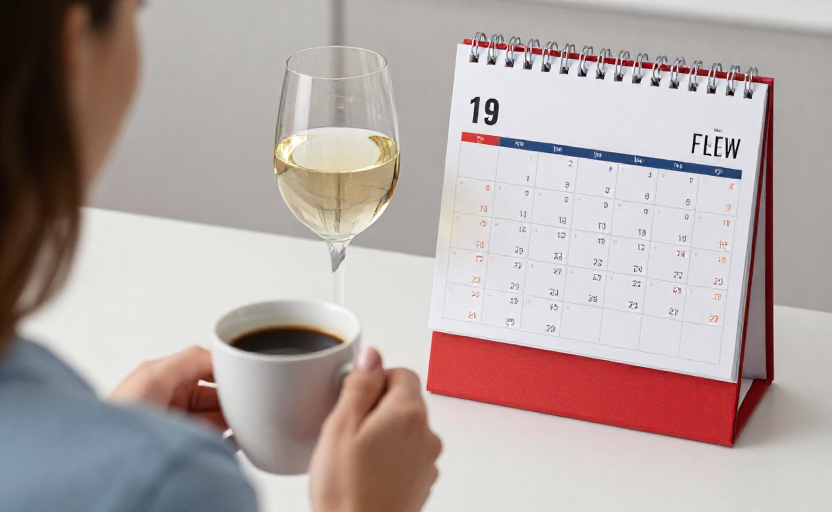
When your period is especially heavy, what you drink can make a noticeable difference in how you feel. Gynecologists often point to two common beverages that can worsen heavy bleeding or amplify discomfort: coffee and alcohol. While you don't have to cut them out entirely, understanding how they affect your cycle can help you make informed choices during your heaviest days.
How caffeine affects heavy menstrual flow
Caffeine is a stimulant that affects blood vessels and hormone levels. For some people, it can increase menstrual flow or make cramps more intense. Caffeine can also interfere with iron absorption—a concern when you're already losing blood. Drinks like coffee, black tea, energy drinks, and some sodas are the main sources.
Research suggests that high caffeine intake may be linked to longer or heavier periods, though individual responses vary. If you notice that your flow seems heavier after your morning coffee, it may be worth switching to a lower-caffeine alternative for a few days each month.
A helpful tip: Try swapping your second cup of coffee for herbal tea, such as ginger or chamomile, which may help soothe cramps without the stimulating effects.
Alcohol's impact on period symptoms
Alcohol can affect your period in several ways. It acts as a vasodilator, meaning it relaxes and widens blood vessels—this can potentially increase menstrual flow. Alcohol also disrupts hormone regulation and can worsen fatigue, bloating, and mood swings that often accompany heavy periods.
Many women find that drinking alcohol during their period leads to heavier bleeding or more painful cramps the next day. Additionally, alcohol can interfere with sleep quality and hydration, both of which are important when your body is already under stress from blood loss.
Why moderation matters
You don't need to completely avoid alcohol during your period, but limiting it—especially in the first few days when flow is heaviest—can make a difference. Stick to one drink or less in a sitting, and drink plenty of water alongside it. Pay attention to how your body responds; if you notice a pattern of heavier bleeding after drinking, consider skipping alcohol entirely during your period.
Practical tips for managing heavy periods
Adjusting what you drink is just one piece of the puzzle. Gynecologists also recommend staying well-hydrated with water, eating iron-rich foods, and getting enough rest. Here are a few simple strategies:
- Drink water consistently throughout the day to help your body manage blood loss.
- Include iron-rich foods like spinach, lentils, and lean red meat in your meals.
- Consider a magnesium supplement or Epsom salt baths to ease cramps (but always check with your doctor first).
- Track your cycle so you can anticipate heavy days and plan ahead.
If your periods are consistently heavy—soaking through a pad or tampon every hour for several hours—talk to your gynecologist. There may be underlying conditions, such as fibroids or hormonal imbalances, that need attention.
The bottom line: caffeine and alcohol aren't off-limits, but being mindful of your intake during heavy flow days can reduce discomfort and help you feel more in control. Listen to your body, and don't hesitate to ask your healthcare provider for personalized advice.