Living with endometriosis often means learning to listen closely to your body, especially when it comes to food and drink. While diet isn't a cure, certain beverages can make symptoms like cramping, bloating, and fatigue noticeably worse. Dietitians who specialize in women's health often point to two common drinks that may be worth cutting back on or eliminating if you suspect endometriosis.
Understanding why these drinks can trigger symptoms — and what to sip instead — can help you feel more in control of your daily comfort.
Caffeinated coffee and energy drinks
For many people, morning coffee is non-negotiable. But if endometriosis is on your radar, that cup of joe might be working against you. Dietitians frequently advise reducing or eliminating caffeine because of its effects on estrogen levels and inflammation.
Caffeine can influence how your body metabolizes estrogen, potentially leading to higher circulating levels of the hormone. Since endometriosis lesions grow in response to estrogen, anything that disrupts your hormonal balance may contribute to pain and disease progression. Additionally, caffeine can raise cortisol, your primary stress hormone, which may further stoke systemic inflammation.
Even a single cup of strong coffee can trigger pelvic cramping in some people with endometriosis. Pay attention to how your body responds an hour or two after drinking it.
Energy drinks are a double concern: they combine high doses of caffeine with sugar or artificial sweeteners, both of which can promote inflammation and gut irritation. If you rely on an afternoon energy boost, consider switching to a lower-caffeine alternative like green tea, which contains antioxidants called catechins that may have anti-inflammatory properties.
Alcohol — especially wine and cocktails
Alcohol is a known inflammatory agent, and for those with endometriosis, it can hit especially hard. Dietitians often recommend eliminating alcohol completely or reserving it for very occasional use. Here’s why alcohol is particularly problematic:
- Estrogen boost: Alcohol can raise estrogen levels by affecting liver function. Your liver is responsible for filtering excess hormones from your blood, and alcohol consumption can interfere with that process, leading to higher estrogen availability.
- Gut health disruption: Alcohol damages the gut lining and alters the microbiome, which can worsen digestive symptoms like bloating, constipation, and diarrhea — all common in endometriosis.
- Direct inflammation: Alcohol triggers the release of pro-inflammatory compounds, which can amplify existing pelvic pain and fatigue.
For some people, even a single glass of wine can trigger a flare-up. If you’re not ready to quit entirely, pay close attention to how different types of alcohol affect you. Many women report that red wine is a particular trigger, possibly because of naturally occurring compounds that act like estrogen in the body.
What you can drink instead
Making changes doesn't have to mean feeling deprived. Dietitians suggest several satisfying alternatives that support your body rather than work against it:
- Water with lemon or cucumber: Staying well-hydrated helps reduce bloating and supports liver detoxification. Infusing your water with citrus or herbs can make it more appealing.
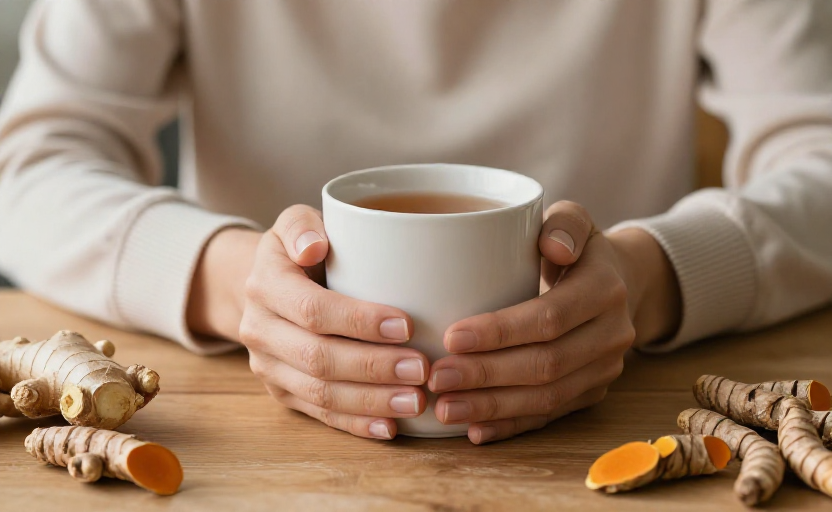
- Ginger or turmeric tea: Both are natural anti-inflammatories. Ginger can help with nausea and cramping, while turmeric contains curcumin, which has been studied for its potential to reduce endometriosis-related inflammation.
- Bone broth: Rich in collagen and amino acids, bone broth supports gut healing and can be a soothing, warm option.
If you suspect certain drinks are making your symptoms worse, try eliminating them entirely for two weeks and keep a journal. Many people notice a clear difference in their pain levels and overall energy.
Bottom line
Endometriosis management is deeply personal, and what helps one person may not work for another. However, dietitians consistently point to caffeine and alcohol as two of the most common dietary triggers. Experimenting with these drinks — and noticing how your body responds — can be a simple, powerful step toward fewer symptom days.