
You’ve gone through your wind-down routine: you turned off the screens, put on a sleep mask, and maybe even read a few pages of a quiet novel. Then the bed feels comfortable, you take a deep breath — and your brain clicks on. Thoughts start racing around like impatient toddlers at a birthday party. You’re exhausted, but your mind won’t settle.
If that scenario sounds painfully familiar, what you drank in the hours before bed might be the invisible spark keeping that mental engine running. While we tend to blame smartphones or stress alone, certain beverages are surprisingly potent triggers for nighttime anxiety and insomnia. If you wake up with a racing mind, these two drinks might be the culprits to cut from your evening routine.
1. Any Caffeinated Drink Within 6 Hours of Bedtime
Yes, this seems obvious. But the scale of caffeine’s lingering effect is often underestimated. Coffee is the first of the two drinks to watch, but we’re not just talking about your 3 p.m. latte. Caffeine hides in many forms — black tea, green tea, diet soda, energy drinks, and even some brands of decaf coffee (which still contains minimal but impactful amounts).
Caffeine works by blocking adenosine, the chemical that gradually makes you feel sleepy throughout the day. Its half-life in healthy adults is roughly 5–6 hours, though for some people that window stretches to 9 hours. So a cup of coffee consumed at 4 p.m. still has enough of a kick to disturb the deep sleep stages later on. Even if you fall asleep fast, caffeine reduces slow-wave sleep — the restorative stage needed for mental recovery. The result? You wake up after a few hours with a racing brain, right when the caffeine blockades are just starting to fade and anxiety rushes in.
A small 2021 study published in the Journal of Clinical Sleep Medicine found that caffeine consumed even 6 hours before bedtime significantly reduced sleep quality and increased wakefulness during the night.
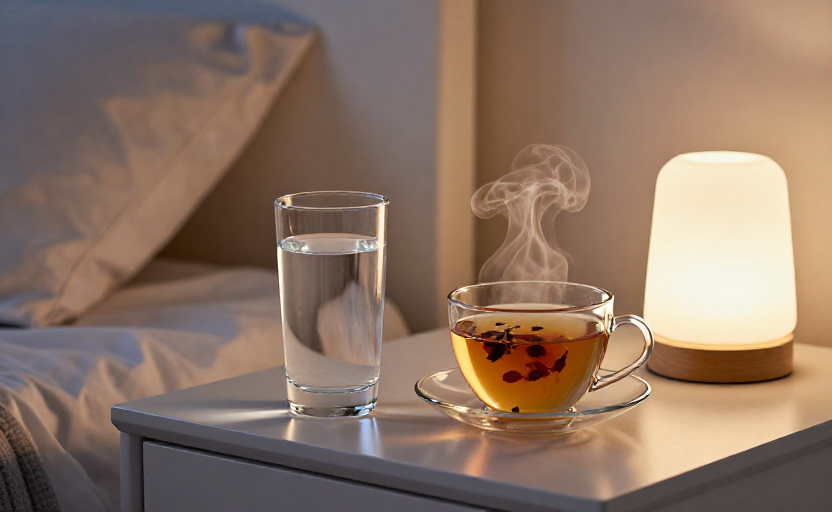
If you’re prone to anxiety or a racing mind at night, experiment with cutting coffee and black tea after 2 p.m. and see if that one change shifts your sleep. Herbal teas like chamomile or passionflower are usually fine substitutes — they contain no caffeine and boast mild sedative properties.
2. Alcohol in the 3 Hours Before Bed
Many people drink a glass of wine or a nightcap thinking it helps them fall asleep faster. And it can — briefly. Alcohol is a central nervous system depressant; it can knock you out quickly. But the story doesn’t end there.
Once your body starts metabolizing alcohol (which begins within minutes), the sedative effect reverses. Your sleep becomes fragmented, especially during the second half of the night. Alcohol suppresses rapid eye movement (REM) sleep — the stage essential for emotional processing and mental resetting. As alcohol levels in your blood drop, your brain enters a rebound state, often overlapped with mild withdrawal symptoms. The result is frequent awakenings, vivid anxious dreams, or a pounding mental chatter at 3 a.m. That racing mind you wake up with? Alcohol likely set the stage.
A comprehensive review in the journal Neuropsychopharmacology showed that any amount of alcohol consumed before sleep disrupts sleep continuity and worsens next-day fatigue. Even a single glass of wine reduces REM sleep by as much as 19%.
For better sleep, stop drinking alcohol at least 3 hours before bed. If you rely on a drink to decompress in the evening, try discovering a non-alcoholic ritual instead: a warm herbal tea, a tart cherry juice (which contains natural melatonin), or a simple fizzy water with a slice of lime. Your brain will thank you come morning.
Other Surprising Culprits to Consider
While coffee and alcohol are the two main triggers for a racing mind, a few other beverages might also play a role:
- High-sugar energy drinks or soda: Sugar spikes and crashes can increase anxiety-like symptoms. A 2019 study associated high sugar intake with higher risk of depression and anxiety.
- Certain “relaxing” nighttime teas: Some blends contain trace amounts of caffeine (especially green tea) or stimulating herbs like ginseng or peppermint. Check labels closely if you’re sensitive.
Building a Calmer Nighttime Beverage Routine
You can shift your mindset away from “I need to avoid” and toward “here’s what genuinely helps.” The final 90 minutes before bed — that “golden window” — is an excellent time for something supportive. A small cup of chamomile or passionflower tea can signal relaxation to the nervous system without unneeded stimulation. Or try pure tart cherry juice, which research suggests boosts melatonin slightly.
If your racing mind persists despite eliminating these two drinks and improving your sleep hygiene, definitely talk with a healthcare provider. Persistent insomnia may need a deeper conversation about underlying stress or other medical conditions. But for most people, removing caffeine and alcohol in the proper time window makes a meaningful, measurable difference — and a quieter, calmer head hits the pillow.