You know that feeling. You crawl into bed, exhausted, but your brain just won't shut off. You might blame stress, a late-night scroll session, or the neighbor's dog. But what if the culprit was something you drank hours earlier?
Dietitians who specialize in sleep health point to two drinks that are surprisingly common, yet quietly destructive to your rest. They aren't the obvious suspects, and they often slip into your evening routine without a second thought.
The First Culprit: Alcohol (Even a Single Glass)
It's the classic nightcap. A glass of wine, a beer, or a cocktail is often seen as a way to unwind. And yes, alcohol is a central nervous system depressant. It can make you feel drowsy and help you fall asleep faster.
Here's where the trouble starts. That initial drowsiness is a trap. As your body metabolizes alcohol, it disrupts the second half of your sleep cycle. You might not even realize it, but your sleep becomes fragmented. You spend less time in the critical deep sleep and REM stages. This is the restorative sleep that repairs your body and consolidates memories.
"Alcohol is like a sleep saboteur in disguise," says one registered dietitian. "It might get you to sleep, but it practically guarantees you won't stay there, and the sleep you do get is lower quality." Many people don't connect their groggy morning with their evening glass of wine, but it's a direct line. The result? You wake up feeling unrefreshed, no matter how many hours you spent in bed.
A quick caveat: The timing matters. If you have a drink with dinner at 6 PM, the disruptive effect is far less than if you drink an hour before bed.
The Second Culprit: Caffeinated Beverages (and the Sneaky Hours)
You already know coffee and energy drinks can keep you up. But the real problem with caffeine is how long it lingers. Caffeine has a half-life of about 5 to 6 hours in most adults. That means if you have a large coffee at 4 PM, half of the caffeine is still in your system at 9 or 10 PM.
This is where the "sneaky" part comes in. Many people stop drinking coffee after lunch but forget about iced tea, soda, and even some types of bottled water that have hidden caffeine. Dietitians also point to something else: the psychological habit.
"I see people who reach for a decaf coffee or a diet soda in the evening before a workout or a late meeting," explains a dietitian. "They think it's harmless because it's not a triple espresso. But even 30 to 50 milligrams of caffeine, which is often in decaf or green tea, can be enough to light up the brain for sensitive individuals."
Caffeine blocks adenosine, the chemical that signals your body to feel sleepy. It also triggers a mild stress response, raising cortisol. You might not feel wired, but your body is still in a low-level alert state. This makes it harder to fall asleep and prevents you from reaching the deepest stages of rest.
When to Cut Off
Most sleep experts suggest a caffeine cutoff 8 to 10 hours before bedtime. For a 10 PM bedtime, that means no caffeine after noon or 2 PM at the latest.
Smart Swaps for Better Sleep
Replacing these drinks doesn't have to be boring. Dietitians recommend these simple swaps that actually support sleep:
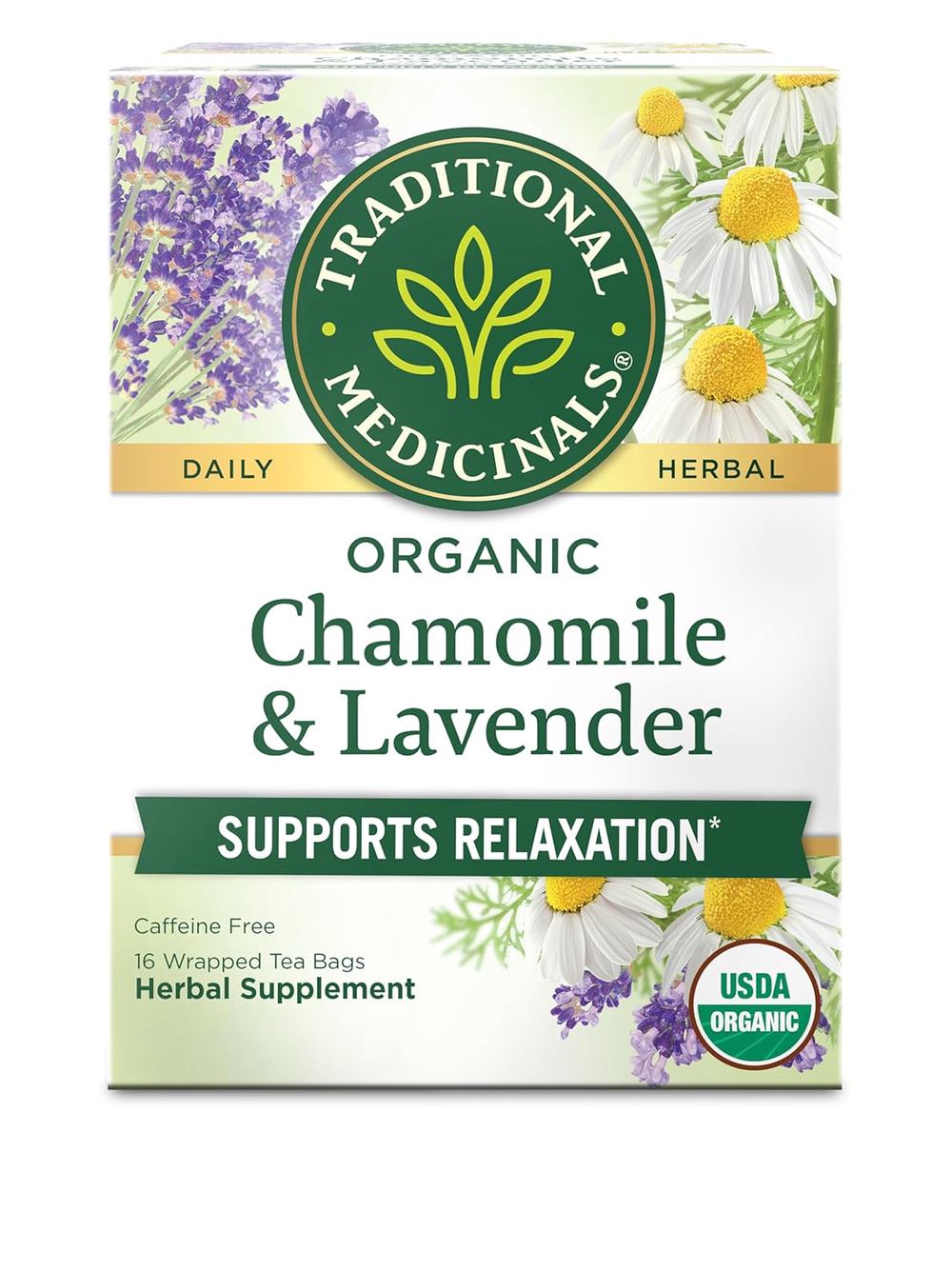
- For the alcohol habit: Try a sparkling water with a splash of tart cherry juice or a dash of bitters. Tart cherry juice naturally contains melatonin. Or, have a cup of non-caffeinated herbal tea like chamomile or lavender.
- For the late caffeine habit: Roasted dandelion root tea has a rich, coffee-like flavor without the caffeine. A warm glass of milk or your favorite non-dairy milk alternative is also a classic for a reason—it's soothing and rich in tryptophan.
- General rule: If you're thirsty at night, plain water is always the best choice. Just avoid drinking huge amounts right before bed to prevent middle-of-the-night bathroom trips.
The best approach is to experiment. For one week, try cutting out alcohol and caffeine after a certain time. Notice how you feel in the morning. The change in your sleep quality might be the most convincing evidence you need.