
Recovering from thyroid surgery brings a lot of questions. What can you eat? How do you protect your neck? And—surprisingly to many—what should you drink? The right fluids can make a real difference in how you feel during the first days and weeks after the procedure.
Dietitians who work with post-surgical patients often point to two specific drinks that support healing without irritating the delicate tissues near your incision. These aren't fancy smoothies or obscure herbal blends—they're simple, evidence-backed choices that help your body repair.
Why what you drink matters after thyroid surgery
Your thyroid sits right at the front of your neck, just below your Adam's apple. After surgery, that whole area is swollen, tender, and busy healing. Anything you swallow needs to be gentle. But more than that, your body now has higher demands for certain nutrients that help with tissue repair, reduce inflammation, and keep your energy stable.
Two main factors guide the best drink choices:
- Texture and temperature: Cold or lukewarm liquids that go down smoothly without stinging or scratching are key. Avoid anything too hot, acidic, or carbonated for the first week or so.
- Nutritional content: Your body needs protein for wound healing, vitamin C for collagen formation, and adequate hydration to keep your metabolism running smoothly.
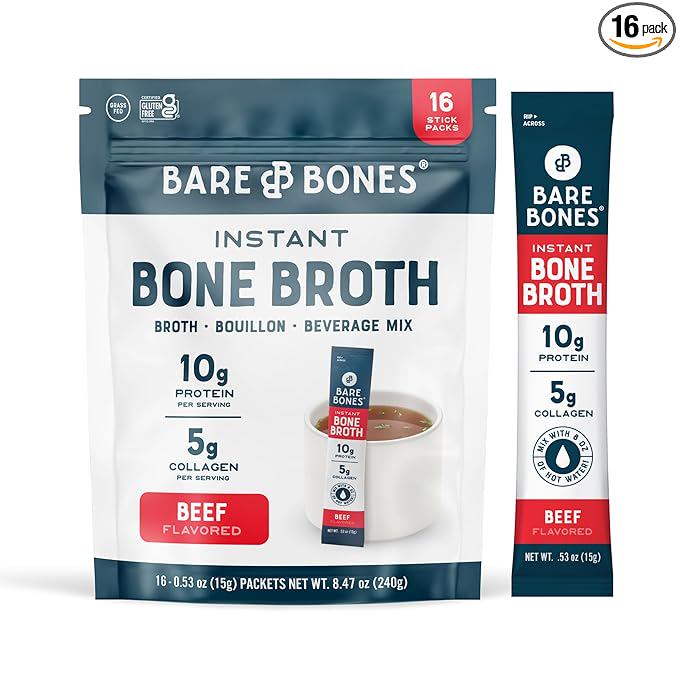
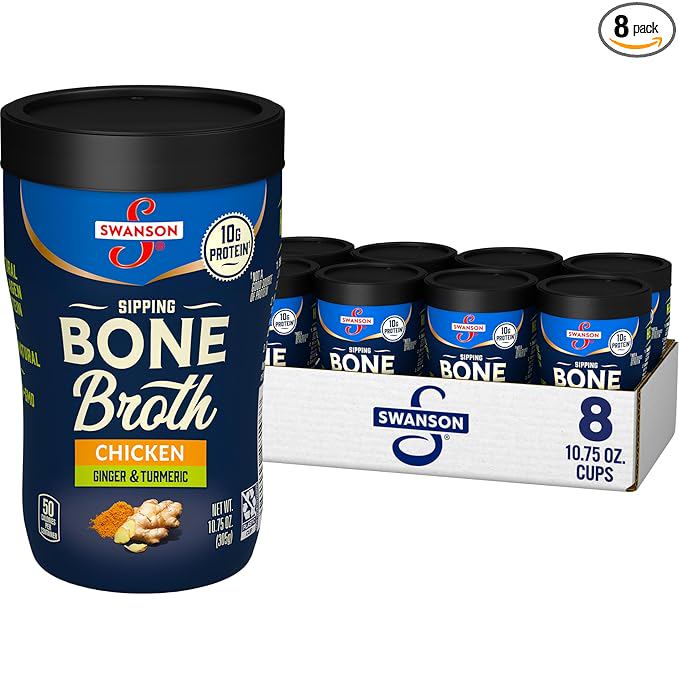
Drink #1: Warm bone broth (or well-strained vegetable broth)
Bone broth isn't just a trend. It's a concentrated source of collagen, gelatin, and amino acids like glycine and proline—all of which support tissue repair. One study published in Clinical Nutrition noted that collagen supplementation can improve wound healing and skin elasticity after surgery.
Dietitians recommend bone broth for several specific reasons after thyroid surgery:
- Easy to swallow: It's liquid, warm (not hot), and soothing on a sore throat—especially if you had a breathing tube during anesthesia.
- Protein boost: A cup of bone broth typically provides 6–10 grams of protein, which helps rebuild muscle and repair the incision site.
- Electrolytes: Bone broth naturally contains sodium, potassium, and magnesium, which help maintain hydration better than plain water.
- Glycine for sleep and healing: Glycine promotes restful sleep and has anti-inflammatory properties that can help reduce post-surgical swelling.
Quick tip: Sip it warm from a mug, or let it cool slightly and drink through a straw to minimize neck movement.
If you prefer plant-based options, a well-strained vegetable broth fortified with a scoop of unflavored collagen or pea protein offers similar benefits. Just make sure it's low in sodium if you're watching your blood pressure.
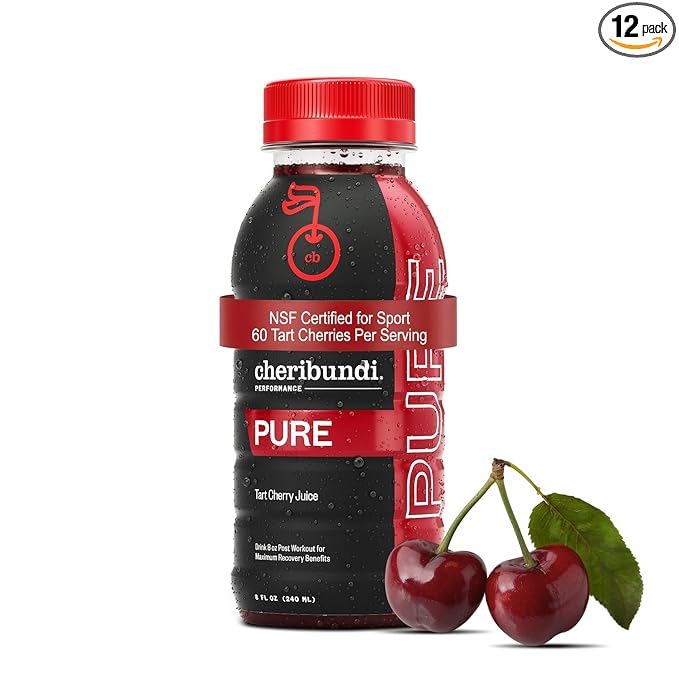
Drink #2: Tart cherry juice (diluted with water)
Tart cherry juice has garnered attention for its impressive anti-inflammatory and antioxidant properties. A study in the Journal of the International Society of Sports Nutrition found that tart cherry juice significantly reduced muscle soreness and inflammation after intense exercise—and similar principles apply to surgical recovery.
Here's why dietitians recommend it for thyroid surgery patients:
- Reduces swelling: The anthocyanins in tart cherries are powerful antioxidants that calm inflammation around the incision and in the throat.
- Improves sleep quality: Tart cherry juice is one of the few natural food sources of melatonin. Sleep is when your body does most of its healing, and many patients struggle with sleep after surgery due to discomfort or anesthesia hangover.
- Gentle on the stomach: Diluted with water (use a 1:2 or 1:3 ratio of juice to water), it's much less acidic than orange or grapefruit juice, making it safe for a sensitive throat.
Look for unsweetened tart cherry juice (not cherry juice cocktail, which has added sugar). Dilute it to reduce acidity and sip it throughout the day. A 4-ounce serving of concentrated juice diluted with 8–12 ounces of water is a good starting point.
Caveat: If you have diabetes or prediabetes, check with your doctor first—tart cherry juice still contains natural sugars.
What to avoid drinking in the first week
Knowing what not to drink is just as important. Dietitians advise steering clear of these common drinks for at least 7–10 days after surgery:
- Citrus juices: Orange, grapefruit, lemon, and lime juice are highly acidic and can sting the incision from the inside, especially if you swallow them without a straw.
- Carbonated beverages: Soda, sparkling water, and beer introduce gas that can bloat your stomach and press uncomfortably against the surgical site.
- Very hot drinks: Coffee, tea, or cocoa served too hot can increase blood flow to the neck area and worsen swelling. Let them cool to lukewarm.
- Alcohol: It dehydrates, interferes with pain medications, and slows healing. Most surgeons say to avoid alcohol for at least two weeks.
Other hydration tips from dietitians
Staying hydrated is a simple but powerful way to support your recovery. When you're well-hydrated, your blood volume is adequate, nutrients travel more efficiently to healing tissues, and your body can clear out waste products from inflammation.
General guidance for the first few days: drink small amounts frequently rather than large volumes at once. Keep a water bottle with a straw at your bedside or on the couch so you don't have to tilt your head back to drink. Tilting stretches the front of your neck, which can pull at the incision.
If plain water tastes boring, try these easy additions:
- Slices of cucumber or watermelon (low acid, mild flavor)
- A splash of tart cherry juice (as discussed above)
- A cinnamon stick or fresh ginger slice in warm water
When to talk to your care team
Everyone's recovery is a little different. If you have trouble swallowing, prolonged hoarseness, or numbness around your mouth, let your surgeon or dietitian know. These could be signs of a temporary or longer-term issue that needs individual management.
Also, if you take thyroid hormone replacement medication (levothyroxine), remember to take it on an empty stomach with plain water, and wait at least 30–60 minutes before eating or drinking anything else—including bone broth and tart cherry juice. This ensures consistent absorption of your medication.