
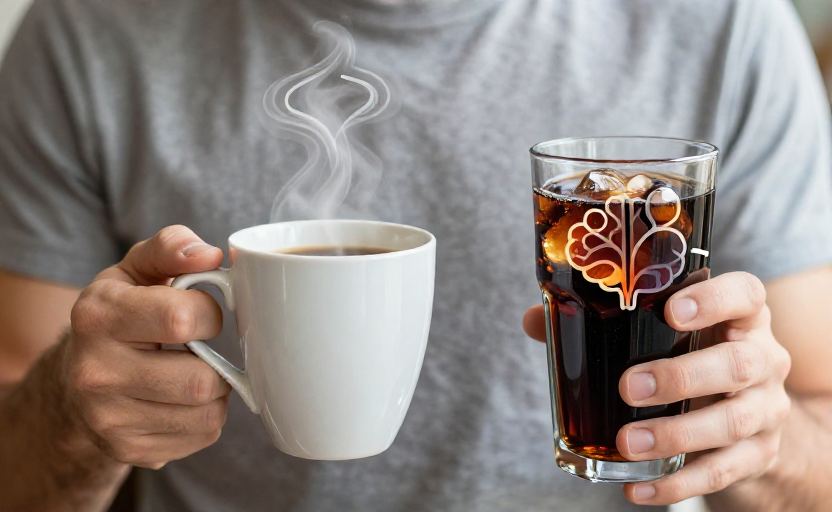
Sexual anxiety is a common yet rarely discussed issue that can affect intimacy, desire, and performance. While many factors contribute to this type of anxiety—including stress, relationship dynamics, and past experiences—what you drink each day might play a surprising role. Emerging research suggests that certain beverages can elevate cortisol, the body’s primary stress hormone, and this rise may directly worsen feelings of unease during sexual encounters.
Below, we look at two specific drinks that have been linked to higher cortisol levels and explore how they might interfere with your sense of calm and connection in the bedroom. Understanding these connections can help you make more informed choices for your overall well-being and intimate life.
How Cortisol Affects Sexual Anxiety
Cortisol is often called the stress hormone because your body releases it in response to pressure or perceived danger. When cortisol spikes, your nervous system shifts into a fight-or-flight state, which naturally dampens relaxation, arousal, and emotional openness. For many people, a constantly elevated cortisol level creates a background hum of tension, making it harder to feel safe and present with a partner. Over time, this can reinforce a cycle where anxiety about sex leads to more stress, which then fuels further anxiety.
Drink #1: Caffeinated Coffee and Energy Drinks
Caffeine is a well-known stimulant that works by blocking adenosine receptors in the brain, which keeps you alert. However, caffeine also triggers the adrenal glands to release more cortisol. Studies have shown that consuming caffeine—especially in the morning or in high doses—can raise cortisol levels by 30% or more within an hour. For individuals prone to anxiety, this spike can feel like a jittery, on-edge sensation that is the opposite of the calm, grounded state needed for relaxed intimacy.
Energy drinks compound the problem because they often contain both high levels of caffeine and other stimulants like taurine and guarana, which may further stimulate cortisol production. If you find yourself feeling tense or mentally racing before sexual activity, consider whether your coffee or energy drink habit is contributing to that internal alarm system.
Switching to low-caffeine or caffeine-free alternatives in the hours leading up to intimacy might help lower your baseline stress response.
Drink #2: Sugary Soft Drinks and Sweetened Beverages
While sugar does not directly stimulate cortisol the same way caffeine does, it creates a cascade of metabolic effects that can ultimately raise stress hormone levels. High-sugar beverages cause rapid spikes in blood glucose, followed by a sharp drop. This crash signals your body to release cortisol and adrenaline to bring blood sugar back up, effectively putting you in a mild state of physiological stress. Over time, habitual consumption of sugary drinks can dysregulate the entire stress-response system.
Even more concerning is the combination of sugar and caffeine found in many sodas and sweetened coffees. This pair can create a double hit—first from the stimulant effect of caffeine and then from the sugar-induced cortisol rebound. If you regularly drink sweetened beverages, especially in the afternoon or evening, you might be unknowingly keeping your stress levels elevated well into the night.
Practical Steps to Lower Cortisol Before Intimacy
Reducing your intake of these two drink categories is one actionable step, but there are other strategies that support a more relaxed state for sexual connection:
- Hydrate with water or herbal tea. Staying hydrated helps your entire nervous system function more smoothly. Caffeine-free herbal teas like chamomile, lavender, or passionflower have mild calming properties that may directly lower anxiety.
- Focus on balanced meals. A stable blood sugar level—achieved by eating protein, fiber, and healthy fats—can prevent the peaks and valleys that trigger cortisol release.
- Practice slow, diaphragmatic breathing. Taking five minutes to breathe deeply before intimacy activates the parasympathetic nervous system, which counteracts the stress response.
- Limit alcohol. While not one of the two main drinks here, alcohol can initially reduce inhibition but later disrupt sleep and increase cortisol—a trade-off that often worsens anxiety over the long term.
When to Seek Additional Support
If sexual anxiety persists despite changes to diet and lifestyle, it may be helpful to speak with a healthcare professional or a therapist who specializes in sexual health. Anxiety around intimacy can have deeper roots, such as past trauma, relationship conflicts, or underlying medical conditions. A professional can help you develop a personalized plan that addresses both the physical and emotional aspects of the issue.
By paying attention to what you drink—and how it affects your stress levels—you can take a small but meaningful step toward feeling more at ease in your body and with your partner.