
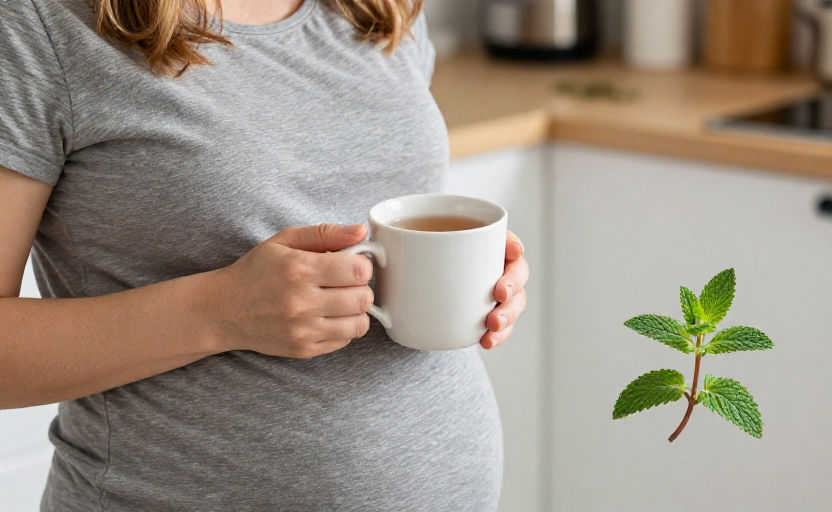
Preparing your body for breastfeeding is a deeply personal and biological process. It involves hormonal shifts, changes in breast tissue, and the gradual buildup of milk supply. What you consume during this time—particularly in the weeks leading up to birth—can sometimes play a role in how smoothly that transition goes.
While most attention goes to foods like oats or leafy greens that may support lactation, there are also a couple of everyday drinks that could work against your preparation efforts. The two most commonly discussed are sage tea and peppermint tea. Here is what you need to know about their potential effects, how they work, and how to approach them without unnecessary worry.
How Drinks Can Influence Breastfeeding Preparation
Breastfeeding preparation is largely about establishing a robust milk supply and ensuring comfortable, responsive breast tissue. The primary driver is the hormone prolactin, which signals the body to produce milk. Anything that artificially lowers prolactin levels or interferes with the milk ejection reflex can potentially make early breastfeeding more challenging.
Certain plants contain compounds that, in high enough amounts, can suppress prolactin or act as mild diuretics. These are generally safe in culinary or occasional amounts, but when consumed as concentrated teas multiple times a day in the final weeks of pregnancy, some women notice a subtle impact.
It is important to note that individual sensitivity varies widely. What affects one person's milk supply may have no noticeable effect on another's.
1. Sage Tea (Salvia officinalis)
Sage is a common culinary herb, but its role in lactation is unique. Sage contains thujone, a compound that has been shown in some research to reduce prolactin secretion. This is why sage has a traditional history of use for weaning or reducing an oversupply of breast milk.
If you are trying to build your milk supply in preparation for birth, drinking large amounts of sage tea (for example, more than 1–2 cups per day) could theoretically work against you. The concern is not about eating sage in cooked dishes like stuffing or pasta sauce—those amounts are negligible. The issue arises when you brew potent tea from dried sage leaves and drink it regularly.
A helpful rule of thumb: If a plant has a reputation for helping mothers dry up their milk supply, it is worth being cautious with it during the weeks when you want your supply to come in strongly.
If you enjoy herbal teas, consider rotating your options so that sage tea is not a daily habit. If you are concerned about low milk supply after birth, you may want to avoid sage tea entirely during the late pregnancy and early postpartum period.
What to look for in herbal blends
Many “calming” or “seasonal” herbal tea blends contain sage as a secondary ingredient. Always check the ingredient list. If sage appears near the top, it might be best to choose another blend during this stage of your journey.
2. Peppermint Tea (Mentha piperita)
Like sage, peppermint has a history of being used to reduce milk supply—particularly in cases of engorgement or oversupply. The active compounds in peppermint, especially menthol, are thought to have a mild suppressive effect on prolactin and may also affect the milk ejection reflex.
Peppermint tea is very popular for digestion and relaxation, which are both beneficial during pregnancy. However, in the context of breastfeeding preparation, its frequent consumption might be counterproductive. The effect is generally dose-dependent: sipping an occasional cup is unlikely to cause a problem, but drinking several cups of strong peppermint tea daily for a week or more might reduce early milk production.
Beyond tea, it is worth being aware that peppermint is found in some candies, lozenges, and essential oil preparations. While a single peppermint candy is not a concern, high-dose menthol products (like strong peppermint essential oils applied to the skin or inhaled heavily) are best avoided during the late pregnancy and early breastfeeding period.
Does mint in toothpaste matter?
No. The amount of peppermint in toothpaste is far too small to affect prolactin levels or milk supply. The concern applies primarily to concentrated ingestion, such as drinking tea brewed from real peppermint leaves.
How to approach herbal teas during breastfeeding preparation
The vast majority of herbal teas are perfectly safe and many can be beneficial for hydration and relaxation. Here are practical guidelines if you are in the window of preparing for breastfeeding:
- Moderation is your friend. Drinking 1 cup of sage or peppermint tea a few times a week is very unlikely to interfere with milk supply. The risk primarily comes from daily, high-volume consumption.
- Diversify your tea choices. Rotate in options like rooibos, ginger tea, or lemon balm, which are not known to affect lactation. This keeps your routine safe and interesting.
- Watch for strong signs of oversupply or undersupply. If you notice a sudden drop in milk production after birth, review your recent beverage intake. A simple swap back to neutral drinks can sometimes resolve the issue quickly.
- Be aware of hidden sources. Some “cold care” herbal teas contain both peppermint and sage as active ingredients for soothing sore throats. Use those sparingly during the early breastfeeding weeks.
The bigger picture: what matters most for breastfeeding preparation
While avoiding those two specific herbal teas can be a helpful tweak, the foundations of breastfeeding preparation are much broader. Staying well-hydrated (primarily with water), maintaining adequate calorie and protein intake, and managing stress all have more significant effects on milk supply than occasional tea drinking.
If you are concerned about whether a particular drink or herb is safe for your specific situation, the most reliable step is to ask your healthcare provider or a lactation consultant. They can give you guidance tailored to your health history and any medications you are taking.
In summary, sage tea and peppermint tea are the two drinks most frequently linked to potential interference with breastfeeding preparation—but they only tend to pose a risk when consumed in large, regular quantities. For most mothers, using common sense, reading labels, and rotating herbal tea choices is enough to keep preparation on track.