If you take medication to manage high blood pressure, you already know that diet matters. But what you drink can be just as important—and sometimes, even a single glass can interfere with how your medication works. Dietitians point to two common beverages that deserve extra caution: grapefruit juice and alcohol. Here is what you need to know about how each one interacts with blood pressure medications, and how to make informed choices without feeling deprived.
Grapefruit juice: a surprising medication disruptor
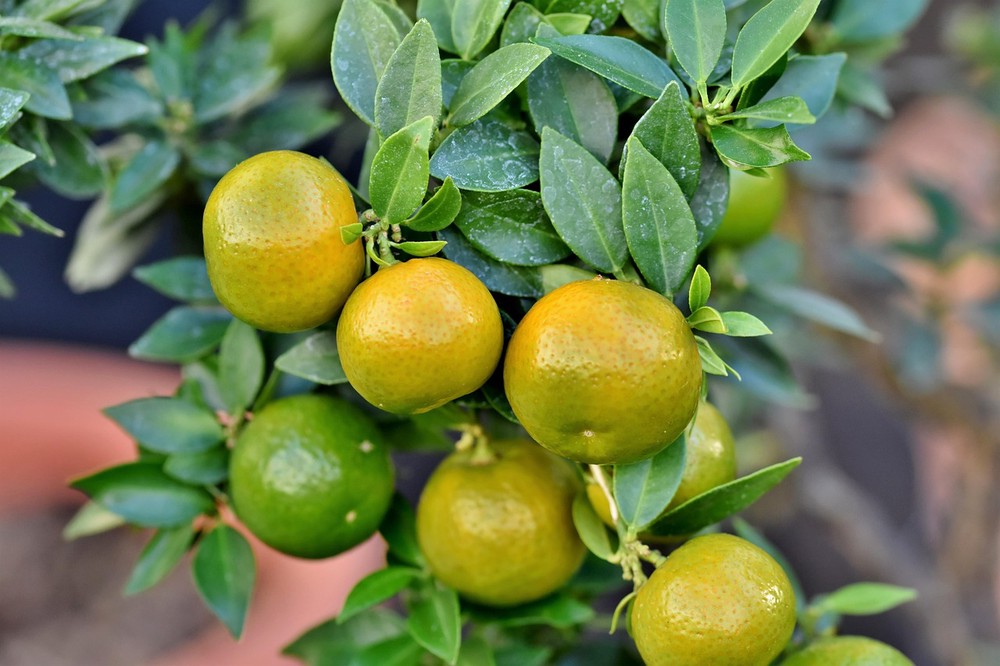
Grapefruit juice is not inherently unhealthy, but it has a well-documented effect on how the liver processes certain drugs. Compounds in grapefruit juice inhibit an enzyme called CYP3A4, which breaks down many medications in the small intestine and liver. When that enzyme is blocked, more of the drug enters the bloodstream than intended. For blood pressure medications like calcium channel blockers (such as nifedipine and felodipine), this can lead to a sudden, exaggerated drop in blood pressure—or an increased risk of side effects like dizziness, headache, and dangerously low heart rate.
Registered dietitian nutritionist Stephanie D. Jones, RDN, explains: “Grapefruit juice can essentially turn a normal dose into an overdose in your system. The effect can last for more than 24 hours, so drinking it even hours apart from your medication is not a safe workaround.” She advises checking the label or consulting your pharmacist—not all blood pressure meds are affected, but many common ones are.
What to do: If you take a calcium channel blocker or any blood pressure medication, ask your healthcare provider if grapefruit juice is safe for you. In many cases, swapping to orange juice or another citrus fruit—like a whole orange—avoids the interaction entirely.
Alcohol: a dose-dependent interaction
Alcohol affects blood pressure in a more complicated way. Small amounts may lower blood pressure temporarily, but regular or heavy drinking tends to raise it. For people on blood pressure medications, alcohol can amplify the effects of the drug, leading to excessive dizziness, lightheadedness, and fainting. It can also reduce how well the medication controls blood pressure over the long term.
How alcohol interferes with common medications
Many blood pressure medications work by relaxing blood vessels or reducing fluid volume. Alcohol does the same thing, but unpredictably. When combined, the result can be a rapid drop in blood pressure that makes standing up suddenly risky. Beta-blockers, ACE inhibitors, and diuretics are all involved. For example, diuretics already flush out sodium and fluid; alcohol adds to dehydration and electrolyte imbalance, which can stress the kidneys and heart.
Rachel M. Paul, PhD, RD, a dietitian specializing in cardiovascular health, notes: “Beyond the short-term interaction, habitual alcohol use can make blood pressure harder to control even with optimal medication. If you drink, be honest with your healthcare team about how much—and consider cutting back if your readings are consistently high.” She emphasizes that “one drink per day for women and two for men is a general limit, but some individuals with heart conditions or medication interactions need to avoid alcohol completely.”
The bottom line: If you choose to drink, do so sparingly and never on an empty stomach. Also, avoid drinking alcohol within a few hours of taking your medication to reduce the risk of acute side effects.
What about caffeine and other drinks?
Grapefruit juice and alcohol are the two most significant dietary interaction concerns for blood pressure medications, but they are not the only ones. Caffeine (found in coffee, tea, energy drinks, and soda) can cause a temporary spike in blood pressure, though it does not typically interact with the medications themselves. Most dietitians advise moderation—up to two or three cups of coffee per day is likely fine for most people—but anyone with resistant hypertension should monitor how caffeine affects their readings.
Licorice root tea is another less common but real concern: it contains glycyrrhizin, which can cause the body to retain sodium and lose potassium, raising blood pressure and potentially counteracting the effects of medications. If you enjoy herbal teas, check labels and avoid those with licorice root unless cleared by your doctor.
Practical tips for managing drink choices
- Read medication labels carefully—many include warnings about grapefruit juice or alcohol.
- Ask your pharmacist about specific interactions when you pick up a new prescription.
- Keep a food and drink diary for a week if your blood pressure seems unpredictable; share it with your dietitian.
- Choose plain water, seltzer, herbal teas (except licorice), or one glass of orange juice instead of grapefruit juice.
- If you miss the ritual of a cocktail, try a non-alcoholic version—like sparkling water with a splash of cranberry and lime.
Staying hydrated is essential for heart health, but not all beverages are neutral. By understanding the specific interactions of grapefruit juice and alcohol with blood pressure medications, you can make smarter choices that support both your treatment plan and your overall well-being. Always discuss any changes in your diet—especially the introduction of a new drink—with your healthcare provider.