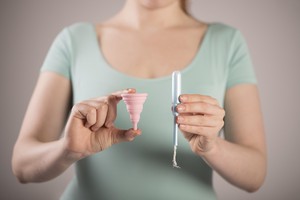
Adjusting to life after birth control can feel like a slow recalibration for your body. Your natural hormone cycle is reasserting itself, and during this transition, even everyday habits like what you drink can play a bigger role than you might expect. Some beverages contain compounds that may subtly interfere with your body’s efforts to rebalance hormones like estrogen and progesterone. While they won't derail your health entirely, knowing which drinks to moderate can help you feel steadier, calmer, and more in tune with your cycle.
Why your morning coffee might feel different now
Caffeine is a central nervous system stimulant, but its effects ripple far beyond wakefulness. When you stop birth control, your liver’s processing of certain compounds shifts because oral contraceptives put specific demands on the liver. Caffeine metabolism is largely handled by the same liver enzymes. Some research suggests that when you come off the pill, caffeine can linger in your system longer—meaning a single cup could feel stronger or leave you jittery.
Beyond the jitters, caffeine can influence cortisol, your body’s primary stress hormone. Elevated cortisol may indirectly affect progesterone, a calming, cycle-regulating hormone that can be especially unstable after stopping the pill. One study found that caffeine intake was associated with higher estrogen levels among certain groups of women. While this effect isn’t necessarily harmful, a rapid or unsteady rise in estrogen relative to progesterone (often called estrogen dominance) can contribute to mood swings, breast tenderness, and irregular cycles during the post-pill adjustment period.
A practical tip: If you notice more anxiety or sleep disruption after stopping birth control, try cutting your morning coffee by half a cup or switching to a low-caffeine alternative like green tea (which also contains calming L-theanine).
The surprising role of alcohol in post-pill hormone shifts
Alcohol is more than a casual disinhibitor—it fundamentally alters how the liver metabolizes hormones. Specifically, it can inhibit the liver’s ability to break down used estrogen, allowing free estrogen to recirculate. As your ovaries resume their natural estrogen production after birth control, adding alcohol into the mix can prolong higher estrogen levels and worsen symptoms like heavy bloating, mood volatility, and fatigue.
Alcohol also impairs the body’s ability to absorb essential nutrients like zinc, magnesium, and B vitamins—nutrients that play a direct role in hormone synthesis and adrenal health. Because the post-pill period can already demand more from your adrenal glands (which produce precursor hormones), a daily glass of wine may leave you feeling more depleted than usual. The effect is often subtle and cumulative, not immediate. A single weekend drink is unlikely to cause problems, but daily consumption could prolong the adjustment period.
What about sugary or energy drinks?
While not the focus of this article, it’s worth noting that high-sugar beverages can spike insulin, which may aggravate acne and mood changes after birth control. Staying hydrated with plain water or herbal teas supports liver function and helps maintain steady energy levels.
How to support your hormones through beverages
You don’t need to eliminate coffee or alcohol completely. Most women can tolerate moderate amounts without major issues. “Moderate” generally means one cup of coffee per day and no more than three to four alcoholic drinks per week, but individual tolerance varies. Pay attention to how you feel an hour after your usual latte or evening drink—if you notice anxiety, sleep disruption, or worsening PMS-type symptoms, that’s a signal worth heeding.
Herbal teas like spearmint (which has mild anti-androgen properties), rooibos (rich in antioxidants, no caffeine), and chamomile can be soothing replacements. They support the body without overwhelming the liver or spiking cortisol. Water infused with lemon or cucumber is another simple, hydrating option that may aid gentle detoxification without overpromising a “cleanse.”
Ultimately, the goal isn’t strict avoidance—it’s awareness. Your body is in a unique period of readjustment after birth control. Every woman’s experience is different, but being mindful of how caffeine and alcohol affect your moods, sleep, and cycle can help you transition more smoothly. If symptoms persist or feel severe, a conversation with a healthcare provider—especially one familiar with post-pill care—can offer personalized guidance.