Surviving a stroke is a major milestone, but the recovery journey is ongoing. One of the most critical—and often overlooked—factors in preventing a secondary event is what you put on your plate. While many survivors focus on physical therapy and medication, two common dietary patterns can quietly undermine that progress, increasing the risk of another stroke.
These mistakes aren't about occasional indulgences. They're about consistent, day-to-day choices that affect blood pressure, inflammation, and vascular health. Here's what the research and clinical guidelines point to, and how you can pivot without feeling deprived.
Mistake #1: Relying on processed foods and hidden sodium
It's not the salt shaker on the table that poses the biggest threat. The vast majority of dietary sodium comes from packaged and restaurant foods: bread, deli meats, canned soups, frozen dinners, and condiments. For someone recovering from a stroke, even modest elevations in blood pressure can strain fragile blood vessels and increase the risk of a recurrent ischemic or hemorrhagic event.
The American Heart Association recommends limiting sodium to no more than 1,500 milligrams per day for most adults, especially those with hypertension. Yet a single frozen entree or a bowl of canned soup can deliver half that amount or more. When that becomes the norm—day after day—blood pressure creeps up, often without noticeable symptoms.
Tip: Check labels for "sodium" and aim for items with less than 140 mg per serving. Compare brands; the same type of food can vary by hundreds of milligrams.
Where the sodium hides
- Bread and rolls – a single slice can have 150–200 mg
- Cold cuts and cured meats – 2 ounces of deli turkey can pack 500 mg
- Canned vegetables and beans – choose "no salt added" versions
- Pizza and fast food – one slice can exceed 600 mg
- Salad dressings and sauces – 2 tablespoons can carry 300–400 mg
Replacing processed items with whole, minimally processed foods—fresh or frozen vegetables, unsalted nuts, lean poultry, fish, beans, and whole grains—dramatically reduces sodium intake while boosting potassium, magnesium, and fiber, all of which support healthy blood pressure.
Mistake #2: Skimping on omega-3s and healthy fats
In the aftermath of a stroke, some survivors become fat-phobic. They cut out oils, nuts, avocados, and fatty fish in an attempt to "clean up" their diet. The irony is that this can backfire. The brain and cardiovascular system need certain fats to reduce inflammation, support cell membrane repair, and maintain healthy blood flow.
Omega-3 fatty acids—especially EPA and DHA found in fish—have been shown to lower triglycerides, reduce plaque buildup in arteries, and exert mild anti-inflammatory effects. A 2021 meta-analysis in Stroke found that higher dietary intake of omega-3s was associated with a lower risk of recurrent stroke and all-cause mortality in stroke survivors.
When patients avoid these foods, they often replace them with refined carbohydrates (white bread, crackers, sugary cereals) or low-fat processed snacks loaded with added sugar and unhealthy trans fats—both of which promote inflammation and weight gain.
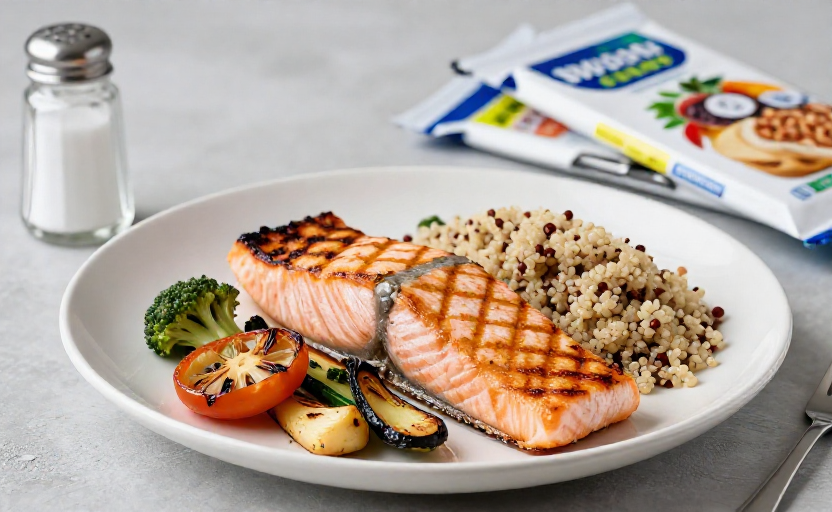
Tip: Aim for at least two servings of fatty fish per week (salmon, mackerel, sardines, trout). If you don't eat fish, consider a plant-based omega-3 (ALA) from flaxseeds, chia seeds, and walnuts, though conversion to EPA/DHA is limited.
Building a stroke-protective plate
Instead of thinking about what to cut out completely, focus on what to add. A balanced approach includes:
- Fatty fish twice a week
- Extra-virgin olive oil as your primary cooking fat
- Avocados, nuts, and seeds daily in modest portions
- Legumes and whole grains for steady energy and fiber
- Colorful vegetables at most meals for polyphenols and antioxidants
Why these two mistakes compound risk
High sodium and low omega-3s don't operate in isolation. A diet heavy in processed foods is typically also low in protective nutrients like potassium, magnesium, and fiber. Meanwhile, a diet lacking healthy fats can lead to chronic low-grade inflammation and poor blood vessel flexibility. Together, they create a metabolic environment where blood pressure is harder to control, arterial health deteriorates, and clotting risk increases.
This is especially concerning for stroke survivors, who may already have damaged vasculature, reduced cerebral autoregulation, or underlying conditions like atrial fibrillation or diabetes. Even small improvements in diet can meaningfully lower risk.
Small shifts, big impact
You don't need a complete overhaul overnight. Start with one change: swap your usual breakfast cereal for oatmeal with berries and walnuts. Or replace your lunchtime sandwich with a salad topped with grilled salmon and a lemon-olive oil dressing. Once that feels routine, add another swap.
Work with a registered dietitian if possible—they can tailor recommendations to your medical history, medications (like warfarin or antiplatelets), and personal preferences. What matters most is consistency over time.
Recovery from stroke is a marathon, not a sprint. Your diet is one of the few tools you can control every single day. By avoiding the twin pitfalls of excess sodium and insufficient healthy fats, you give yourself a stronger foundation for long-term brain and heart health.