If you’re living with PCOS and your period has gone AWOL, you’ve probably heard a lot about hormones. But what about the food on your plate? Even when you’re trying to eat well — maybe especially then — two common diet patterns can actually push ovulation further out of reach. Here’s exactly what they are and how to shift your approach so your cycle can find its rhythm again.
Mistake #1: Cutting carbs too low for too long
Low-carb eating is one of the first things many women with PCOS try. And for some, it helps — at least at first. But there’s a difference between reducing refined carbs and all but eliminating carbohydrates entirely. When you drop carbohydrate intake very low (think under 50–75 grams per day) for weeks on end, your body may interpret that as a stress signal.
Your brain relies on glucose for its most basic functions. When carbohydrate supply is extremely limited, your adrenal glands pump out more cortisol to keep your blood sugar stable. Chronically elevated cortisol suppresses the hypothalamic-pituitary-ovarian (HPO) axis — the same hormonal chain that tells your ovaries to release an egg. No ovulation? No period.
This is especially tricky in PCOS because many women already have higher resting cortisol levels. Extreme carb restriction can tip an already sensitive system into what’s called functional hypothalamic amenorrhea, even if you’re still getting your period occasionally.
The goal isn’t unlimited bagels — it’s finding a carb level that supports ovulation without spiking insulin. For most, that’s somewhere between 100–150 grams per day from whole-food sources like sweet potatoes, beans, quinoa, and fruit.
Mistake #2: Skimping on fat — especially the right kinds
The second mistake often goes hand-in-hand with the first: low-carb becomes low-fat by accident. When you cut out grains and starchy vegetables, and also avoid nuts, seeds, avocado, egg yolks, and fatty fish because you’re watching calories or cholesterol, you end up with a diet that’s dangerously low in dietary fat.
Here’s the biology: your ovaries need cholesterol to produce estrogen and progesterone. That’s right — cholesterol is the building block for every sex hormone you make. If your diet doesn’t supply enough fat (or your body is too stressed to metabolize the fat you do eat), hormone production stalls.
Women with PCOS often show lower levels of certain fatty acids, particularly omega-3s. A diet low in these fats can reduce your body’s sensitivity to luteinizing hormone (LH) and follicle-stimulating hormone (FSH), which are the two key signals that trigger ovulation.
You don’t need to eat butter by the stick. But you do need a steady intake of:
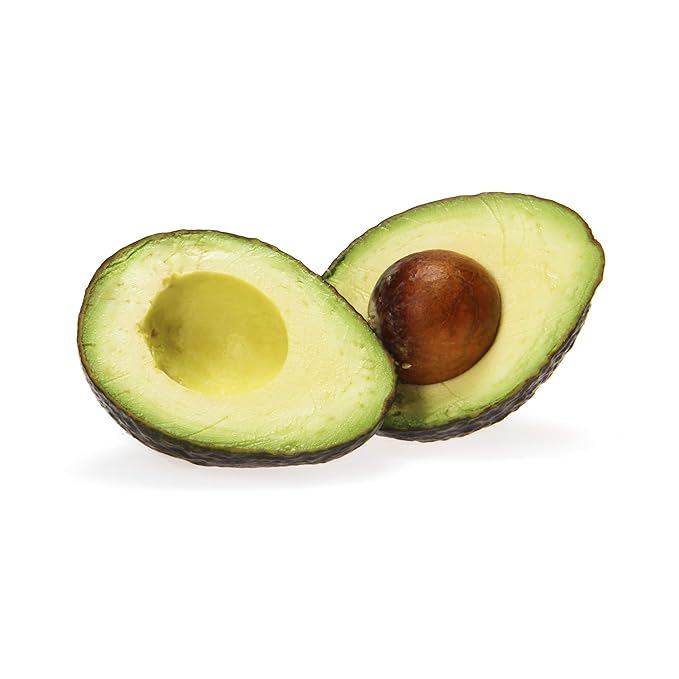
- Monounsaturated fats from olive oil, avocado, and almonds
- Omega-3s from salmon, sardines, walnuts, and flaxseeds
- Saturated fat in moderate amounts from eggs, full-fat yogurt, or a small serving of grass-fed beef
How these two mistakes work together
When you combine very low carbs with very low fat, you’re basically running on protein and whatever fiber you can get from non-starchy vegetables. That kind of diet is hard to sustain, and it puts the body in a double bind: there’s not enough glucose to signal “plenty of food here,” and not enough fat to make the hormones that would allow a cycle to restart.
Many women in this situation also experience low energy, poor sleep, and more cravings — which they interpret as personal failure, when it’s actually a physiological response to undereating two entire macronutrients.
Signs you might be in this pattern
- Your cycle was irregular before, but now it’s stopped completely or is much longer than usual.
- You feel wired at night but exhausted during the day.
- You’ve lost weight recently — even if you weren’t trying to.
- You get cold easily or your nails have become brittle.
- Your workouts feel harder to recover from.
If any of these sound familiar, your diet energy balance may be off, not just your carb or fat intake individually.
What to do instead
The fix is not “eat more junk” — it’s to strategically increase nutrient-dense carbohydrates and fats while keeping a close eye on insulin. That means swapping the rigid rules for a more flexible template.
- Add one carb source back at the meal you tend to restrict most. For many women, that’s breakfast or dinner. Try half a cup of oats, a small sweet potato, or a serving of lentils.
- Include a fat source at every meal. Drizzle olive oil on roasted vegetables, add hemp seeds to a smoothie, or cook eggs in a little butter or avocado oil.
- Drop the high-intensity exercise temporarily. Replace HIIT with walking, gentle yoga, or light strength work. Your nervous system needs a break just as much as your ovaries do.
- Give it two to three cycles. Hormonal recovery takes time. Even after making these changes, it may take a month or two before ovulation resumes and a period follows.
The biggest shift for many women is letting go of the idea that “less food = more control.” In PCOS, the body often needs more of the right nutrients, not fewer. If your period is delayed and you’ve been eating in a restrictive way, the answer may not be doubling down — it may be adding back real, whole foods that tell your body it’s safe to ovulate again.