Polycystic ovary syndrome (PCOS) already puts your hormones on a tightrope. The last thing you need is an invisible force making the wobble worse. That force is cortisol—your body's primary stress hormone—and when it stays high, it can directly worsen insulin resistance, disrupt ovulation, and amplify the very symptoms you're trying to manage. The frustrating part? Many women unknowingly do two things every day that keep cortisol elevated and sabotage their hormonal balance.
Below, we unpack the two most common PCOS mistakes that spike cortisol and offer science-backed adjustments to help bring your system back to equilibrium. The goal here is not perfection—it's awareness and small, sustainable shifts.
The Cortisol-PCOS Connection You Can't Ignore
Cortisol is not the enemy. It helps you wake up, respond to stress, and stay alert. But when you have PCOS, your hypothalamic-pituitary-adrenal (HPA) axis is often more reactive—meaning your cortisol baseline may already be higher than average. When you layer on habits that further stimulate cortisol release, you reinforce a cycle of hormonal chaos.
Elevated cortisol signals your body to store abdominal fat, increases blood sugar, suppresses ovulation, and can even lower progesterone. In the context of PCOS, this looks like worsening cystic acne, more hair thinning, irregular periods, and stubborn weight gain around the midsection. Recognizing common mistakes is the first step to breaking that loop.
Mistake #1: Doing High-Intensity Workouts on an Empty Stomach
Many women with PCOS are told to “eat less and move more” to lose weight. That advice often leads to 6 a.m. HIIT sessions or long runs before breakfast—a combination that screams “stress” to your adrenal glands.
When you exercise in a fasted state, especially with intense movement, your body lacks readily available glucose. As a backup, it releases cortisol and adrenaline to mobilize stored sugar from your liver. In a person with a healthy metabolism, this is manageable. But with PCOS—where insulin regulation is often compromised—the cortisol spike can be dramatic and prolonged.
What happens biochemically
Fasted high-intensity training triggers a larger catecholamine and cortisol surge compared to exercising after a meal. Over time, this can lead to adrenal fatigue, disrupted sleep, and increased hunger later in the day—all of which make PCOS symptoms harder to manage. Instead of burning fat and balancing hormones, you may actually promote abdominal fat storage and suppress ovulation.
A smarter approach
If you enjoy morning movement, have a small, balanced snack before you lace up. Think a handful of almonds and a half apple, or a rice cake with almond butter—something that provides a gentle glucose buffer. On days you do strength or high-intensity work, consider having a small meal with protein and carbs 30–60 minutes beforehand. For gentler movement like walking or yoga, fasted might be fine, but watch how you feel. Your energy and cycle regularity are better guides than any calorie counter.
Mistake #2: Using Caffeine to Power Through a Sleep Debt
This one is almost universal: the morning cup of coffee to make up for a night of poor sleep. If you have PCOS, the impact is amplified.
Caffeine—especially on an empty stomach and in high amounts—significantly raises cortisol levels. Research shows that cortisol release can increase by 30% or more after caffeine consumption in individuals with already high stress reactivity. For women with PCOS, who often have blunted cortisol awakening responses and altered stress hormone dynamics, caffeine can push an already dysregulated HPA axis further off balance.
Compounding the problem: poor sleep itself raises cortisol. If you are using caffeine to mask sleep deprivation, you are essentially doubling down on the stress hormone spike. Worse, high evening cortisol can delay or fragment sleep, creating a vicious cycle.
Signs this applies to you
- You wake up groggy but rely on two or more cups before noon.
- You feel wired, anxious, or irritable after coffee.
- Your cramps, acne, or fatigue worsen around ovulation or before your period.
- You have trouble falling asleep even when you are physically tired.
A gentler caffeine strategy for PCOS
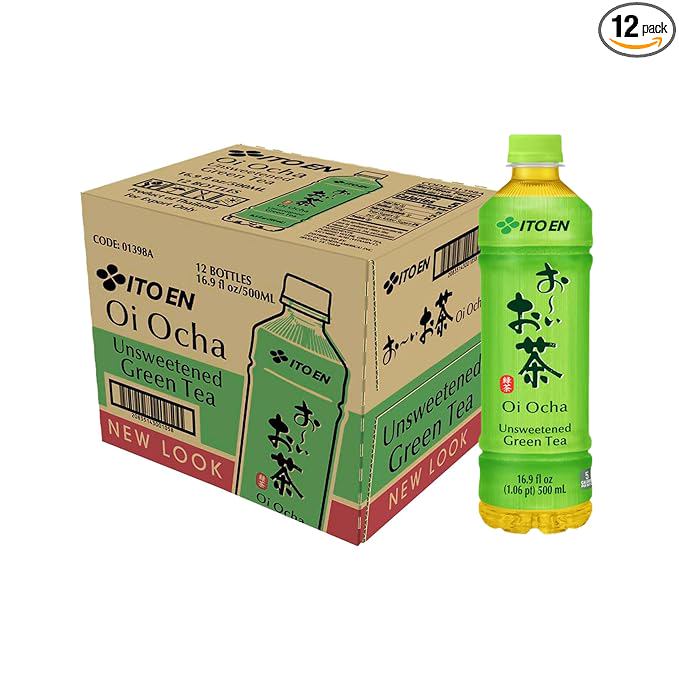
Timing matters. Limit caffeine intake to before noon—ideally 90 minutes after waking—to avoid interfering with your sleep architecture. Pair it with food (especially healthy fat or fiber) to slow absorption. Consider cutting caffeine entirely for two weeks to see if your anxiety, sleep quality, and cravings improve. Lower-caffeine options like green tea or matcha provide antioxidants (EGCG) that support hormone metabolism without the same cortisol punch.
One habit swap: Instead of reaching for a second coffee, try a 10-minute walk outside. Morning light exposure helps set your circadian rhythm and lowers cortisol more effectively than the next caffeine hit.
Small Adjustments, Big Impact on Hormonal Balance
Understanding that your workout timing and caffeine habits can raise cortisol is empowering because both are within your control. You do not need a complicated protocol—just a willingness to experiment. Shift your high-intensity workouts to after a balanced meal. Swap your second coffee for a walk or herbal tea. Give your body two weeks of these changes, and pay attention to your energy, skin, and cycle regularity.
PCOS management is rarely about one big overhaul. It is the accumulation of small, well-timed decisions that either calm or activate your stress response. Choose calm. Your hormones will thank you.