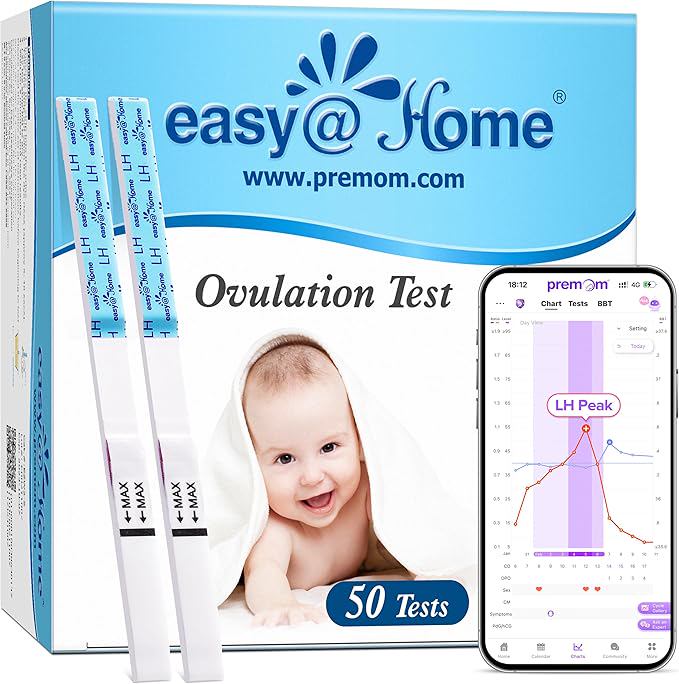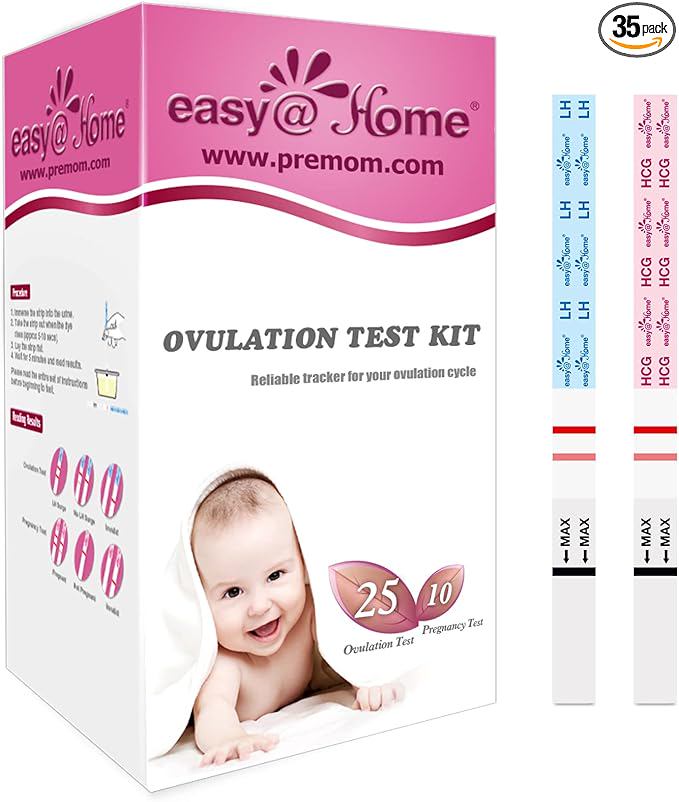
Ovulation predictor kits (OPKs) are a popular tool for anyone trying to conceive. They work by detecting the surge in luteinizing hormone (LH) that happens 24 to 36 hours before ovulation, giving you a window for timing intercourse. But using them correctly matters more than you might think. Small errors in testing or interpretation can lead to confusion, frustration, or even missing your fertile window entirely.
Here are two of the most common mistakes people make when using ovulation tests—and how to avoid them for a smoother preconception journey.
Mistake #1: Testing at the wrong time of day
Many people assume that first-morning urine is best for every type of home test. While that works for pregnancy tests, it is not ideal for most ovulation tests. LH surges often begin in the early morning hours, but it takes a few hours for the hormone to concentrate enough in urine to be detected. Testing with your first morning urine may mean you miss the beginning of the surge.
For best results, test in the late morning or early afternoon—typically between 10 a.m. and 2 p.m. However, you should also avoid testing after you have had a lot of fluids, as diluted urine can give a false negative. A good rule is to limit fluid intake for about two hours before you plan to test.
The key is consistency. Pick a time window that works for your daily routine and stick with it each day during your testing period.
Mistake #2: Stopping testing too soon—or misreading the results
It is easy to misunderstand what a positive result actually means. A positive OPK indicates that ovulation is likely to occur within the next 24 to 36 hours—it does not mean ovulation is happening at that exact moment. Some people stop testing after seeing one positive, but a single positive can sometimes be misleading.
Your LH surge can last anywhere from a few hours to a couple of days. If you stop testing after one positive, you might miss the actual peak. For those with irregular cycles or conditions like PCOS, the body may produce multiple LH surges in a cycle without ovulation actually occurring. In such cases, tracking other signs (like cervical mucus changes or basal body temperature) alongside OPKs gives a clearer picture.
Another common misstep: assuming that a faint test line is a positive. Only a test line that is as dark as or darker than the control line counts as positive. A faint line means the test is working, but your LH has not yet surged.
Tip: If you have irregular cycles, consider using a fertility tracking app along with your OPKs, but always cross-check with physical signs rather than relying on the algorithm alone.
Additional tips for using ovulation tests effectively
Always read the instructions for your specific brand
Not all OPKs work the same way. Some digital tests indicate your most fertile days without you needing to interpret lines, while traditional strip tests require visual comparison. Follow the timing for reading results given in the package—many tests are invalid if read after 10 minutes.
Know your cycle length
If you have a typical 28-day cycle, you might start testing around day 10 or 11. But if your cycles vary, you may need to start earlier or test for a longer stretch. Charting your cycle for a couple of months can help you predict when to begin testing.
Pair OPKs with other fertility signs
Ovulation tests are most powerful when used alongside other markers. Pay attention to changes in cervical mucus—it becomes clear, slippery, and stretchy (like egg whites) right before ovulation. Some people also track basal body temperature to confirm that ovulation has occurred after the fact. Temperature alone won't predict ovulation, but combined with OPKs, it provides a more complete record.
Using ovulation tests effectively can remove some of the guesswork from trying to conceive. By testing at the right time of day and knowing how to interpret results, you can feel more confident about identifying your fertile window. When in doubt, talk to your healthcare provider, especially if you have been using OPKs for several cycles without success or have irregular cycles that make ovulation tracking trickier.