Living with polycystic ovary syndrome (PCOS) can feel like a constant negotiation with your own body. One of the most visible and frustrating symptoms is hirsutism—excess hair growth on the face, chest, back, or other areas where men typically grow hair. While this symptom stems from hormonal shifts, specifically higher levels of androgens like testosterone, your daily choices can either help calm it or accidentally add fuel to the fire.
After working with countless women managing PCOS, I’ve noticed two patterns that almost always backfire. These aren’t exotic, medical-curveball mistakes. They’re common, understandable, and completely fixable. Here’s what they are and what to try instead.
Mistake #1: Aggressive hair removal that inflames the follicle
It makes total sense. You see unwanted hair, you want it gone. So you reach for tweezers, wax strips, a home electrolysis kit, or a dull razor and go to town. The immediate satisfaction is real. But here’s the problem: aggressive, repetitive trauma to the hair follicle triggers a low-grade inflammatory response. In PCOS, your skin is already more prone to inflammation and can react by sending growth signals to that same follicle.
Why inflammation makes hair growth worse
When you pull or cut hair in a way that irritates the pore, your body rushes blood flow and immune cells to the area to repair the damage. This process can inadvertently stimulate the follicle’s blood supply, making it stronger and more responsive to circulating androgens. Over time, what you’re really doing is training the hair to grow back darker, coarser, and faster.
I’ve seen women who waxed their upper lip weekly for years only to find the hair spreading into a wider, denser patch. That’s not coincidence—it’s the inflammatory cycle.
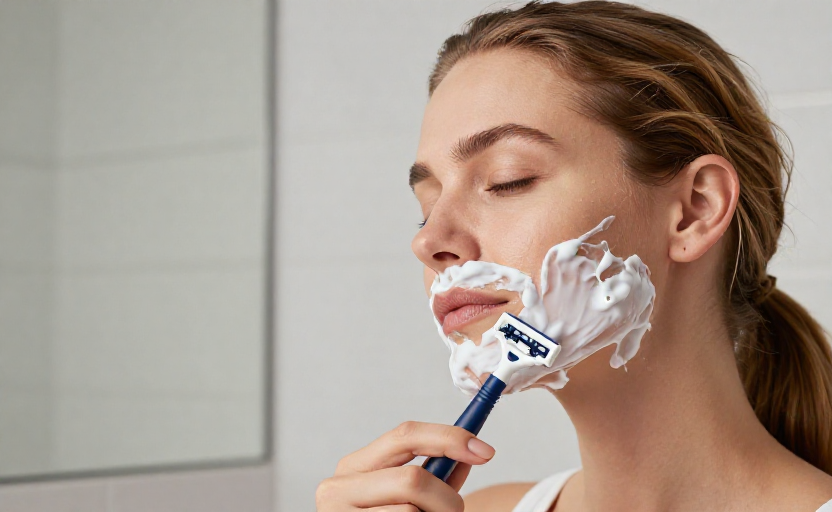
The gentler alternative: Switch to methods that remove the hair without tugging on the follicle or scraping the skin. A clean, sharp razor used with a hydrating shaving cream is actually one of the least irritating options. If you prefer longer-lasting results, consider professional laser hair removal or prescription creams like eflornithine, but always under a dermatologist’s guidance.
Mistake #2: Overcorrecting your diet with extreme restriction
PCOS and insulin resistance travel together like stubborn roommates. Many women hear they should lower their insulin levels to lower their androgens, so they do the logical thing: cut carbs drastically, skip meals, or go on a very low-calorie diet. While early changes can feel promising, this approach often backfires once the body’s stress response kicks in.
How deprivation raises androgens
Severely restricting calories or carbohydrates—especially for weeks on end—raises cortisol, your primary stress hormone. Cortisol tells your adrenal glands to pump out more androgens, including DHEA-S and testosterone. So while you’re trying to starve the hair follicles into submission, your hormonal environment becomes even more androgenic. The result is often a rebound in hair growth that’s worse than before you started, plus a host of other symptoms like fatigue, brain fog, and irregular periods.
I recall working with a woman who eliminated almost all carbs and saw her facial hair actually increase after two months. She was eating under 1,200 calories a day, exercising intensely, and sleeping poorly. Her body was screaming for fuel, and it compensated by producing extra male hormones.
The balanced alternative: Work toward a steady-eating pattern that includes enough calories for your activity level, prioritize protein and healthy fats at each meal, and choose fiber-rich carbohydrates like lentils, beans, vegetables, and whole fruits. The goal is stable blood sugar—not zero carbs. A PCOS-friendly plate might look like grilled chicken, roasted broccoli, and a small portion of quinoa with olive oil. That’s nourishing, not punishing.
What you can do today
If you’re currently making either (or both) of these mistakes, don’t beat yourself up. You were trying to solve a problem with the tools you had. Now you have better ones.
- Check your hair removal method. For the next two weeks, use a fresh razor and a gentle cream or gel. See if the rate of regrowth feels different. If you’ve been waxing or plucking, give the skin a break for a few days before trying a less traumatic approach.
- Examine your eating pattern. Ask yourself: Am I skipping meals? Cutting whole food groups? Eating too few calories for my body’s needs? If the answer is yes, try adding one small, balanced snack or meal back into your day. Notice how that affects your energy and your skin.
- Talk to your doctor. If hair growth is distressing you, a conversation about medications like spironolactone, oral contraceptives, or metformin may be helpful. These work alongside lifestyle changes, not against them.
The truth is, you can’t fix PCOS overnight. But you can stop making it harder on yourself. The two mistakes we covered—aggressive hair removal and extreme dieting—are rooted in frustration and a desire for fast results. Slowing down, choosing gentler methods, and feeding your body consistently may not sound as dramatic, but they create an environment where your hormones have a better chance of finding balance. And that’s the real win.