
Monitoring your blood pressure at home during pregnancy can feel like one more thing on an already long list. You sit down, wrap the cuff around your arm, press start, and hope for a good number. But here is the truth: many expecting mothers are getting inaccurate readings without realizing it. Small errors in how you measure can lead to unnecessary worry or, worse, a missed warning sign.
Let's walk through the two most common mistakes pregnant women make when monitoring blood pressure, so you can get reliable data every time. After all, the goal is not just to check a box—it is to keep you and your baby safe.
Mistake #1: Not following the same procedure every time
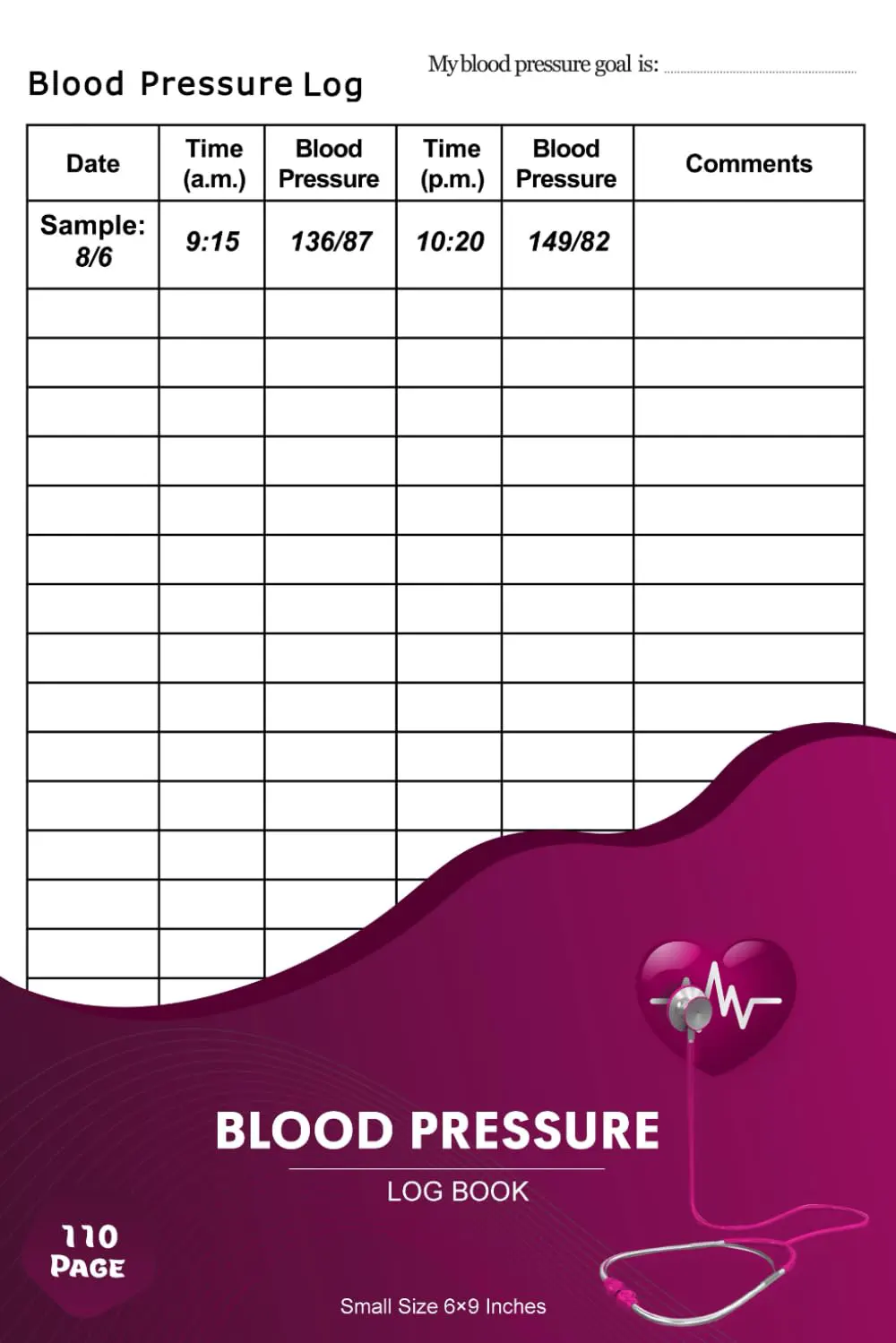
Consistency is the single most important factor in home blood pressure monitoring. If you measure at different times of day, after different activities, or with different arm positions, the numbers will vary—sometimes dramatically. This makes it nearly impossible to spot true trends or changes.
Many women check their BP after rushing through morning sickness, finishing a phone call, or while still catching their breath from climbing stairs. Blood pressure readings are sensitive to recent movement, stress, and even conversation. To get a reading that reflects your true resting state, you need a calm, quiet setup every time.
Smart habit: Pick one consistent time each day—ideally morning before breakfast and evening before bed. Sit quietly for five minutes before measuring. Do not talk, scroll your phone, or fidget.
Why routine matters in pregnancy
Pregnancy already introduces shifts in blood volume and vascular resistance. Adding variability from inconsistent measurement technique only clouds the picture. Your healthcare provider needs to see if your numbers are stable, trending upward slowly, or spiking suddenly. Without a consistent routine, you are essentially handing them a puzzle with missing pieces.
Mistake #2: Using the wrong cuff size or position
This is probably the most underrated source of error. A cuff that is too small can make your blood pressure read 10 to 40 mmHg higher than it actually is. That can turn a perfectly normal reading into one that looks like preeclampsia. Conversely, a cuff that is too large can give a false low reading, potentially masking a real issue.
During pregnancy, your arm size changes, sometimes by several inches. That cuff that fit fine in your first trimester may be too snug by the third. Also, many women wear the cuff over clothing, roll up sleeves too tight, or place it too low on the arm. All of these alter the pressure against the artery and skew the result.
Here is how to get the fit right:
- Measure your arm circumference mid-bicep with a cloth tape. Compare it to the cuff's size range printed on the packaging. Most adult cuffs work, but if your arm is above 13 inches around, you likely need a large adult cuff.
- Place the cuff on bare skin or a very thin layer of fabric. The bottom edge should sit about one inch above the crease of your elbow.
- Wrap it snugly—you should be able to slide one fingertip underneath, not two. If you have to really tug to fasten it, the cuff is too small.
Arm position matters, too
Rest your arm on a table or armrest so that the cuff is at heart level. If your arm hangs down by your side, gravity can increase the reading. If you hold it up, readings can drop. Both errors hide the truth. Sit in a chair with back support, feet flat on the floor, and uncross your legs—crossed legs can raise systolic pressure by several points.
When should you be concerned?
If you consistently see readings above 140/90 mmHg after using proper technique, contact your healthcare provider right away. Single high readings can happen due to stress or being tired, but repeated high numbers need attention. For women with chronic hypertension or a history of preeclampsia, your doctor may give you a lower threshold.
Also, never rely on home monitors that measure your wrist or finger during pregnancy. Upper arm cuffs with an inflatable bladder are the only validated option for accuracy in expecting mothers. Wrist monitors are notoriously unreliable when your body position changes.
Monitoring your blood pressure is a powerful tool, but only if you use it correctly. By sticking to a consistent routine and making sure your cuff fits and is positioned right, you give yourself—and your baby—the clearest picture of your health.