
Managing heart failure at home often comes down to how well you notice and respond to your body's signals. Many patients and caregivers learn to check for swelling, weigh themselves daily, and watch for shortness of breath. Yet despite the best intentions, two recurring errors can quietly undermine these efforts — turning a helpful routine into an unreliable one.
Let's break down what those mistakes are, why they matter, and what to do instead so your tracking actually helps you and your care team stay ahead of changes.
Mistake #1: Relying on how you feel instead of what you measure
It is natural to assume you will feel a heart failure flare-up before it registers on a scale or a blood pressure cuff. But this is precisely where people get tripped up. The body compensates remarkably well in early stages of fluid overload — you may not feel breathless or immediately notice ankle puffiness, even when several pounds of excess fluid have accumulated.
The most dependable early indicator for worsening heart failure is a steady rise in weight over one to three days. A gain of two to three pounds in a day or five pounds in a week often signals fluid retention long before you feel uncomfortable. If you only check your weight when you already feel "off," you have already lost the opportunity to intervene early.
The fix: Weigh yourself at the same time every morning — after urinating, before eating or drinking, and wearing roughly the same amount of clothing. Write it down or log it in an app. Do not guess or skip days because you feel fine. The number on the scale, not how you feel, is your most objective warning sign.
Mistake #2: Being inconsistent with symptoms or measurements
Even patients who own a good scale and know their target weight range can fall into the trap of inconsistency. This goes beyond forgetting to step on the scale. It includes logging weight at different times of day, using a different scale, or checking blood pressure with a cuff that has not been recalibrated. All of these small variations add noise to your data, making it harder to spot a real trend.
Another form of inconsistency involves how you categorize symptoms. One day you may describe your breathing as "a little heavy" but the next day call it "shortness of breath." If your own language keeps shifting, your doctor won't have a clear picture of whether you are stable or declining.
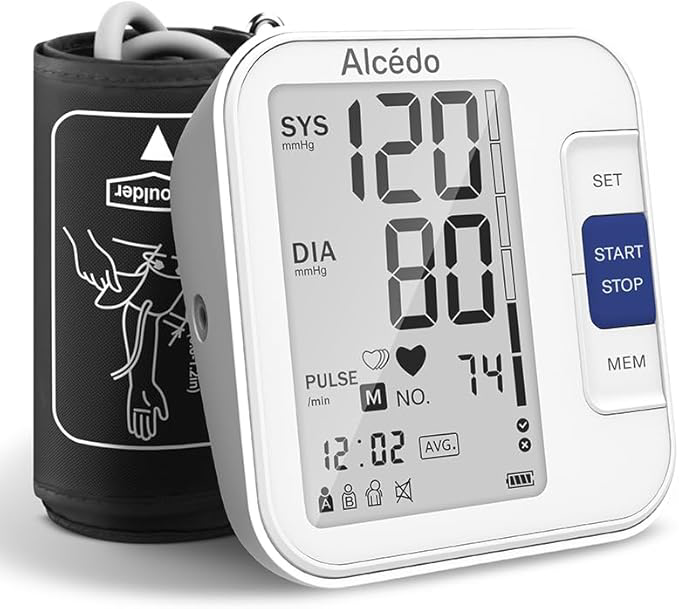
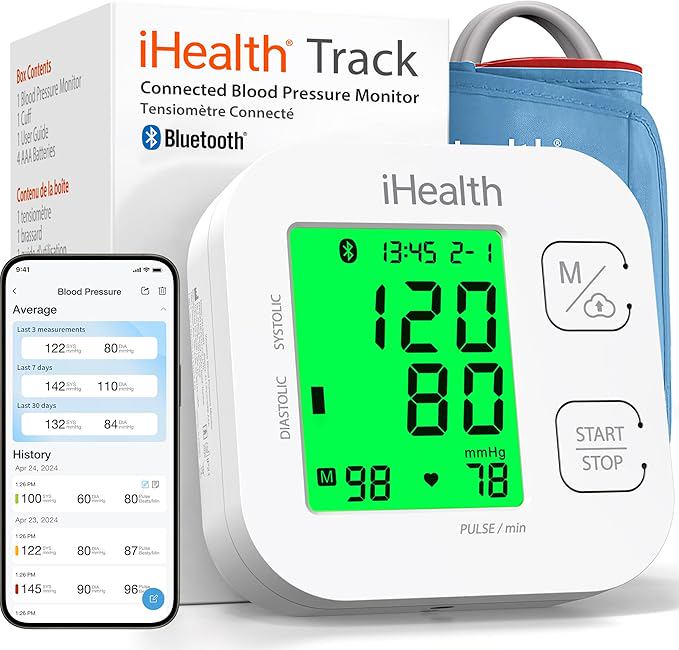
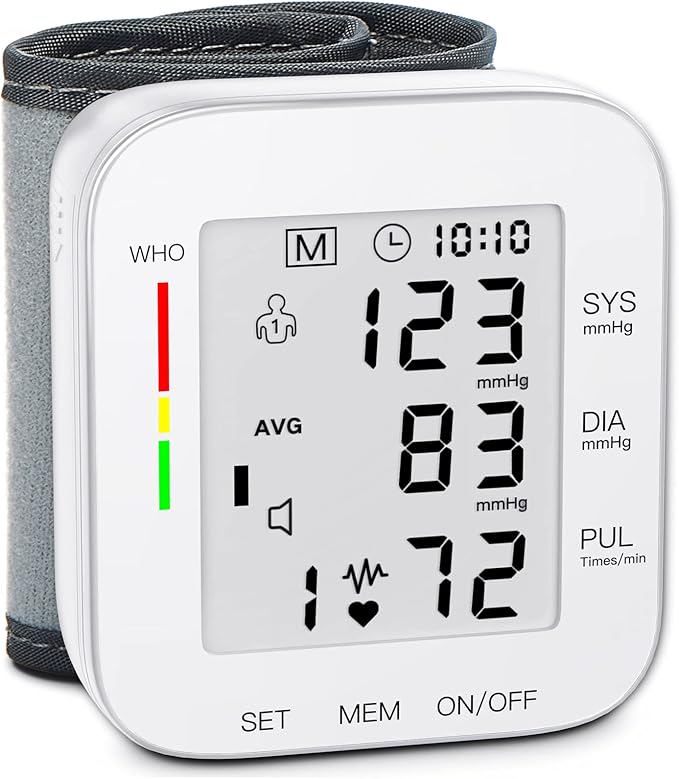
The fix: Standardize everything. Use the same scale, on the same hard surface (not carpet), at the same time. If you track blood pressure, sit still for five minutes beforehand, keep your feet flat on the floor, and use the same arm each time. For symptoms, pick simple, consistent words — use a notebook or app with pre-set options like "none," "mild," "moderate," or "severe" — so your records are useful for comparison over weeks and months.
How to build a sustainable tracking routine
You can avoid both mistakes by creating a short, consistent daily checklist that feels manageable, not overwhelming. Here is a framework that many heart failure specialists recommend:
- Daily morning weight check — same time, same scale, same clothes. Record immediately.
- Quick symptom check — rate your breathing, swelling, dizziness, and energy level with simple labels (0–3 scale works well).
- Blood pressure and heart rate — check at the same time each day if your doctor has asked you to. Keep a log with the date and time.
- One sentence on how you slept and how you feel — this adds context without overwhelming detail.
The whole routine should take less than five minutes. If it feels like a chore, you are more likely to skip or rush through it, which feeds both problems. Keep it simple first, then add more detail only if your care team asks for it.
When should you reach out to your care team?
Even with good tracking, it can be tough to know when a small change is worth a phone call. A general rule of thumb: if you see a weight gain of two pounds in a day or four pounds in a week above your "dry weight" (your weight when you feel well and symptom-free), call your clinic. The same goes for new or worsening shortness of breath, chest discomfort, or swelling that does not go down after elevating your feet and cutting back on salt.
Documenting these changes with a consistent log — using the strategies above — gives your nurse or doctor concrete data to act on, not just vague impressions. That single shift from subjective feelings to objective measurements can make the difference between a quick medication adjustment and a hospital admission.
Bottom line
Tracking heart failure warning signs is one of the most effective things you can do at home, but only if you avoid the two most common pitfalls: relying on how you feel instead of what the scale says, and failing to keep your measurements and symptom descriptions consistent. Pick one simple change today — whether it is weighing yourself at the same time every morning or writing down your blood pressure — and build from there. Small, consistent steps add up to real stability.