Planning maternity leave often feels like piecing together a puzzle while running on little sleep. Between prenatal appointments, nursery preparations, and work deadlines, it is easy to overlook details that can make a big difference later. Yet many parents discover only after the baby arrives that their plan had a few blind spots. The good news is that these two common mistakes are completely avoidable once you know what to look for.
Mistake #1: Treating Leave as a Single Block of Time
One of the most frequent missteps is thinking of maternity leave as one solid chunk of time that starts when the baby is born and ends weeks later. While that can work for some families, it often leaves parents feeling squeezed. The reality is that needs shift dramatically over the first year—and having flexibility baked into your plan from the start can reduce stress.
A better approach is to consider phased leave. This might mean taking your full medical recovery time right after birth, then returning part-time for a month, or saving a few weeks of leave for when your partner goes back to work. A phased plan helps you match your time off to what is actually happening at home, rather than guessing months ahead.
Tip: Check with your HR department about how you can split leave into separate periods. Some employers allow you to use disability leave first, then family leave later, or to take intermittent leave with approval.
Another version of this mistake is planning leave around a due date. Only about 4% of babies are born exactly on their due date. If your leave is scheduled to start the day before your due date and your baby arrives two weeks late, you might have wasted two weeks of precious paid time before the baby is even here. Instead, build in a buffer—either by starting leave later or by having a backup child-care plan for the gap between the due date and actual arrival.
Mistake #2: Overlooking Financial and Legal Fine Print
It is tempting to focus on the emotional and logistical sides of leave—bonding with the baby, setting up a feeding routine, and getting help from family. But the financial and legal details often trip parents up. This mistake usually shows up in two forms: assuming paid leave covers your full salary and not understanding how benefits like health insurance and retirement contributions work during leave.
Many parents are shocked to learn that short-term disability or paid family leave programs often cover only a percentage of their regular income—sometimes as low as 60%. That gap can hit hard if you have not planned for it. Similarly, some employers pause matching contributions to 401(k) or other retirement accounts during unpaid leave, and you may need to manually pay your portion of health insurance premiums to avoid a lapse in coverage.
What to Check Before You Go on Leave
- Confirm your employer’s specific policy: How much of your salary is covered, and for how many weeks?
- Find out if you must use accrued paid time off (PTO) before disability or family leave kicks in.
- Ask how health insurance premiums are handled—will they be deducted automatically, or do you need to pay the company directly?
- Check if your state offers additional paid family leave that you can layer on top of employer benefits.
- If self-employed or a contractor, look into state programs or private short-term disability policies well before conception.
Heads-up: Some companies require you to sign paperwork promising to return for a certain period after leave, or you may have to repay some benefits. Read the fine print before signing anything.
Avoiding Both Mistakes with a Simple Plan
Once you know these pitfalls, you can take two straightforward actions. First, talk to your HR or benefits team about phased leave and any flexibility in how you schedule your time off. Second, create a leave budget that accounts for a reduced paycheck and any out-of-pocket costs like health insurance or dependent care. Most employers provide a benefits summary that lists the exact percentages and timelines—keep that document handy and review it with your partner.
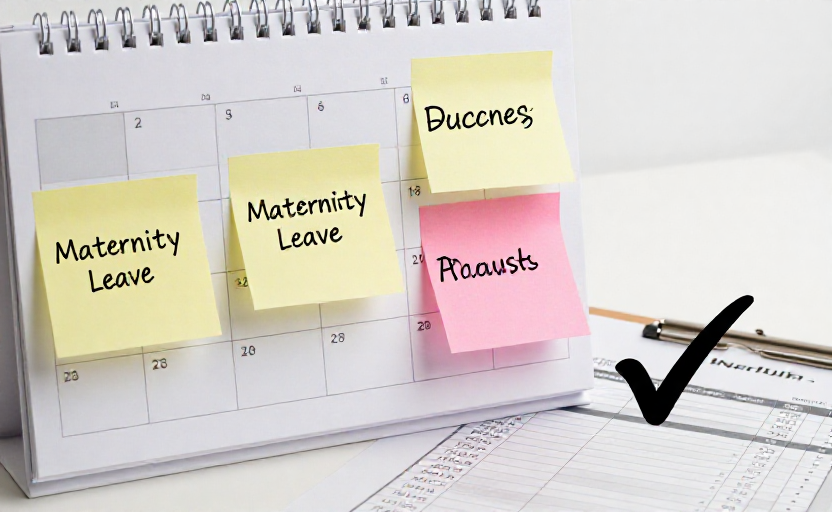
It also helps to write down a timeline that includes not just the birth month but the months before and after. Note any deadlines for submitting leave requests, doctor’s notes, or state paperwork. Missing a single form can delay your first check by weeks.
A Quick Reality Check
Every family’s situation is different. A parent with a high-deductible health plan may need to save more for out-of-pocket birth costs than someone with no deductible. A parent whose partner also works may have different coverage options. The key is to start the conversation about maternity leave planning early—ideally during the first trimester—so you have time to adjust your budget, ask questions, and explore all available options.
Parents who plan ahead often report feeling less financial anxiety and more emotional space to focus on their new baby. And that is the whole point of maternity leave in the first place: to give you time to heal, bond, and adjust—without the weight of surprise expenses or unused vacation days weighing you down.