
Blood pressure often climbs without a single dramatic symptom. You might feel perfectly fine while your arteries are under steadily increasing strain. While genetics and age play a role, many people are surprised to learn that two very common, everyday habits are often the silent drivers behind rising numbers on the monitor.
The good news is that both of these habits come with subtle, early clues your body sends. Learning to spot them can give you a real chance to course-correct before medication becomes necessary. Let's look at what they are and what to watch for.
Habit #1: Relying on Processed Foods for Convenience
This isn't about the salt shaker on your table. The real problem is the salt already hidden inside packaged foods. Restaurant meals, canned soups, deli meats, frozen pizzas, and even seemingly healthy condiments like ketchup and salad dressing are the primary sources of excess sodium in a typical daily diet.
When you consume high levels of sodium, your body retains water to dilute it. This increases the total volume of blood flowing through your veins, which directly raises pressure against artery walls. Over time, this forces the heart to work harder than it was designed to.
Early Signs to Spot
- Frequent puffiness or bloating, especially in the hands, feet, or face. If your rings feel tight by the end of the day or you notice swelling around your ankles, it could be a sign of fluid retention from sodium.
- Thirst that feels slightly unquenchable. A persistent dry mouth after eating out or having fast food is often your body screaming for water to help flush out the excess salt.
- Morning headaches. While there are many causes, a dull headache at the back of the head in the early hours is a classic, if often overlooked, sign of elevated blood pressure linked to high sodium intake from the previous day.
A simple test: Look at the nutrition label for % Daily Value (%DV) of sodium. If it is 20% or higher per serving, that is a high-sodium food. Aim for 5% or lower for most of your choices.
Habit #2: Consistently Poor Sleep Patterns
Sleep is not just rest; it is a critical period when your cardiovascular system recovers. During healthy deep sleep, your blood pressure naturally drops by 10–20%, a process known as "nocturnal dipping." This gives your heart and blood vessels a break.
When you routinely cut sleep short—getting fewer than seven hours a night—or have fragmented, restless sleep due to stress or screen time, the body stays in a state of heightened alert. This prevents the natural nighttime dip in blood pressure. The result is a higher average blood pressure around the clock. Chronic sleep deprivation also increases stress hormones like cortisol, which directly constrict blood vessels and raise heart rate.
Early Signs to Spot
- Relying on an alarm clock to wake up exhausted. If you never wake up naturally feeling rested before the alarm goes off, your sleep debt may be impacting your blood pressure regulation.
- Waking up with a dry mouth or a pounding heart. This can indicate sleep-disordered breathing or simply that your autonomic nervous system didn't settle down during the night, keeping your cardiovascular system on high alert.
- Mid-afternoon energy crashes that require caffeine or sugar just to function. This is a sign that your nightly repair cycle was insufficient, leaving you running on empty.
Pay attention to how you feel on a weekend morning after sleeping without an alarm. If you feel drastically different—clear-headed, rested—compared to a weekday morning, it is a clear signal that your sleep habits are disrupting your heart health.
How to Confirm Your Suspicions
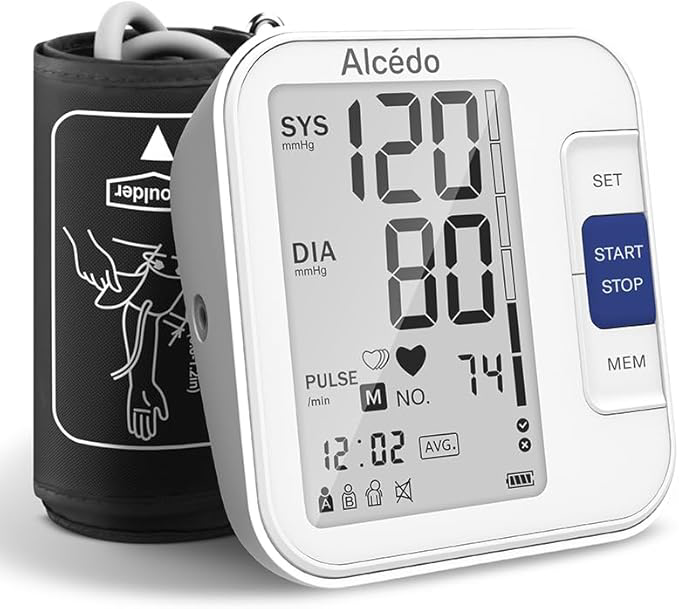
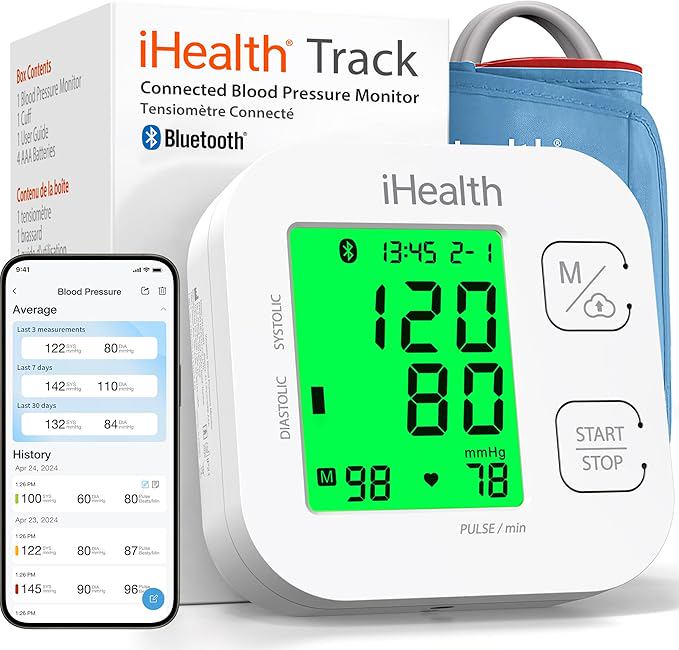
Spotting these early signs is the first step, but the only way to know for sure is to measure. Home monitoring is a powerful tool. Take your blood pressure at the same time each morning (before eating or taking any medication) and again in the evening. Keep a log for a week. If you see a pattern of consistently elevated numbers, especially in the morning, it may be tied to your sodium intake or sleep quality from the previous night.
Look for the pattern, not a single high reading. One bad night or a salty meal can spike your pressure temporarily. The concern is when the numbers stay stubbornly higher day after day. If you spot these habits and their early warnings, small but consistent changes—like cooking one more meal at home each week or setting a strict, screen-free wind-down time—can have a meaningful impact on the long-term health of your heart.