Coronary artery disease (CAD) is often thought of as something that sneaks up over decades, the result of genetics or unavoidable aging. While those factors certainly play a role, the day-to-day choices you make—especially the ones that feel harmless—can quietly influence your risk. As a health editor, I've looked closely at the research, and two habits in particular stand out because they are incredibly widespread and often underestimated.
Let's be clear: we're not talking about obvious red flags like smoking or a completely sedentary lifestyle. These are habits that many people consider normal, even benign. But when practiced regularly, they can create the kind of inflammation and arterial stress that sets the stage for plaque buildup in the coronary arteries.
Habit #1: Sitting for Extended Periods Without Breaks
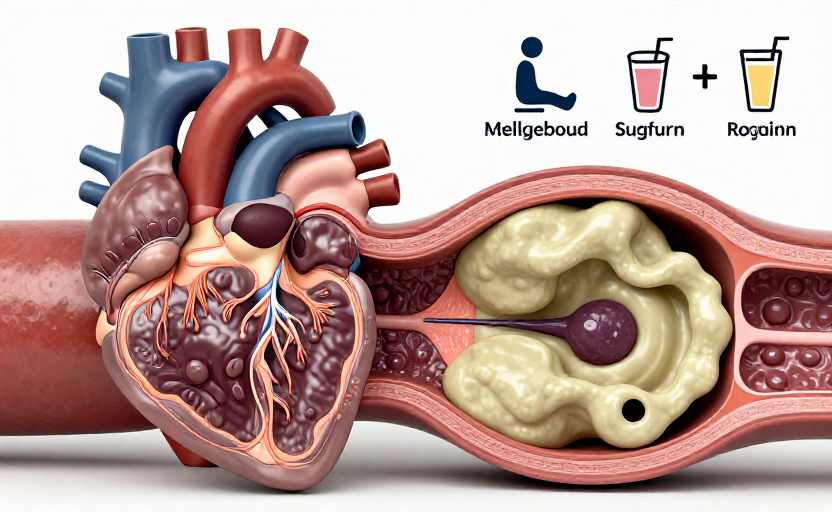
You've probably heard that a desk job isn't great for your back. But the impact on your heart is arguably more serious. Prolonged sitting—meaning hours at a time without standing up or moving—fundamentally changes how your body processes blood flow and fat.
When you sit for long stretches, blood pools in your legs, and your muscles (which normally help pump blood back to your heart) become inactive. Over time, this slows circulation and increases blood pressure. More directly, research shows that uninterrupted sitting causes a sharp drop in an enzyme called lipoprotein lipase, which is responsible for breaking down fat in the blood. When that enzyme is suppressed, triglycerides accumulate, and that drives the kind of arterial inflammation that leads to plaque formation.
This isn't about avoiding chairs entirely—it's about breaking up long blocks of stillness. The mechanism is not vague; it's a measurable physiological reaction that begins within about 30 minutes of sustained sitting.
A simple reset: Stand up and walk for two minutes every hour. Even without formal exercise, this can improve blood flow and reduce post-meal triglyceride spikes.
Habit #2: Relying on Sugary Drinks for Daily Energy
Few habits are as socially normalized as reaching for a soda, sweetened coffee, or fruit punch to get through an afternoon slump. But the link between these beverages and coronary artery disease is remarkably strong and direct. The problem isn't just the calories—it's the speed at which liquid sugar enters your system.
When you drink a sugary beverage, your body absorbs the sugar almost instantly. This causes a rapid spike in blood glucose, followed by a surge in insulin. Over time, this cycle damages the endothelial lining of your arteries—the thin layer of cells that keeps your blood vessels healthy and flexible. Damaged endothelium is more susceptible to inflammation and the accumulation of LDL cholesterol, which is the literal building block of arterial plaques.
- Fructose overload: Many sweetened drinks use high-fructose corn syrup. Unlike glucose, fructose is processed almost entirely in the liver, where it can promote the production of triglycerides and small, dense LDL particles—both of which are particularly dangerous for your coronary arteries.
- Hidden quantities: A single 20-ounce soda can contain 65 grams of sugar. That's over 15 teaspoons—more than tripling the American Heart Association's recommended daily limit for added sugar in one sitting.
The effect is cumulative. Every sugary drink is a small stress test for your arteries. While one soda won't cause disease, drinking one or more daily over years is consistently associated with a higher risk of coronary heart disease, even in people who are otherwise lean and active.
Why These Two Habits Are Especially Risky
Both sitting and sugary drinks share something critical: they trigger a metabolic cascade that promotes chronic inflammation. This isn't a temporary issue; it's a sustained low-grade fire that thickens arterial walls and encourages calcification over time.
What makes these habits particularly dangerous is how easy they are to ignore. You don't feel your arteries narrowing after a long workday or a sweet latte. The damage is silent, happening beneath the surface while you focus on your daily routine.
The Cumulative Effect
Individually, each habit is problematic. Together, they create a synergistic effect. If you sit for eight hours at work and then reward yourself with a sweet drink, you're combining poor circulation with a rapid metabolic spike. This is the reality for many people, and it explains why CAD can develop without any major lifestyle red flags.
Bottom line: You don't need to overhaul your entire life to protect your heart. Focusing on two targeted changes—breaking up sitting time and cutting back on sweetened drinks—can meaningfully lower your risk of coronary artery disease without requiring dramatic extremes. Small adjustments, done consistently, are what keep the arteries in your heart clear and resilient.