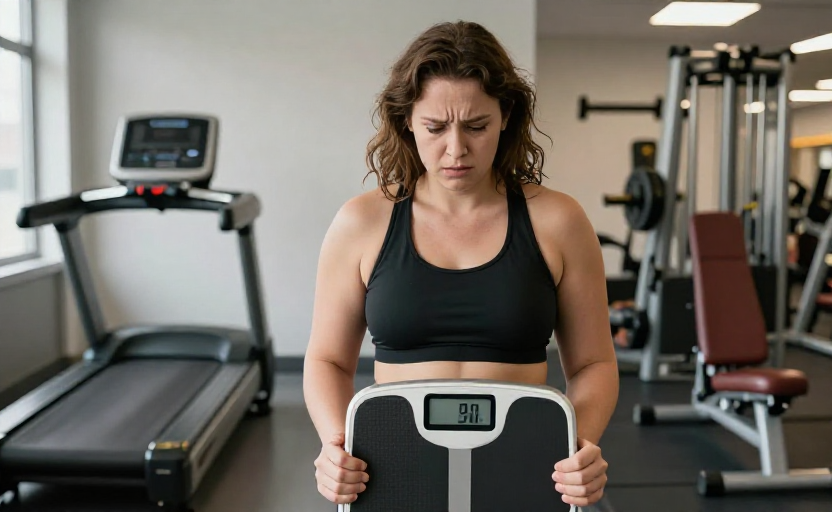
If you have Polycystic Ovary Syndrome (PCOS), you already know that standard weight loss advice often falls flat. You might be hitting the gym with dedication, only to feel frustrated when the scale doesn't move—or worse, when you feel drained, irritable, and hungrier than before. This isn't a failure of willpower; it's often a mismatch between your exercise approach and how your body with PCOS actually responds to movement. Specifically, two common exercise mistakes can completely backfire on your weight loss goals: leaning too heavily on steady-state cardio and stressing your body with overly intense training without enough recovery. Let's look at why these happen and what to do instead.
Mistake #1: Relying on Long, Steady-State Cardio as Your Main Strategy
For decades, we've been told that the key to weight loss is burning calories through activities like walking on a treadmill for an hour or logging miles on the elliptical. While steady-state cardio has benefits for heart health, it can be counterproductive for someone with PCOS. The issue lies in how PCOS affects your metabolism. Many women with PCOS have insulin resistance, meaning their bodies need to pump out more insulin to manage blood sugar. High insulin levels encourage fat storage, particularly around the abdomen, and make it harder for your body to access fat for fuel.
When you do long, moderate-intensity cardio, your body initially burns sugar (glycogen) for energy. However, if your stress hormones are already elevated—which is common with PCOS—prolonged cardio can spike cortisol even further. Elevated cortisol tells your body to hold onto fat, especially in the midsection. Furthermore, hours of steady-state cardio can increase appetite and, for some, lead to a feeling of metabolic fatigue rather than metabolic efficiency. You end up working hard, potentially feeling hungrier, and your body pushes back against the calorie deficit.
The shift: Think about quality over quantity. Instead of focusing on 'cardio day,' focus on movement that improves your body's sensitivity to insulin and manages stress.
Mistake #2: Overdoing High-Intensity Interval Training (HIIT) Without Recovery
HIIT is often promoted as the ultimate fat-burning tool, and for many people, it is effective. However, for a significant subset of women with PCOS, especially those with an adrenal component or high baseline cortisol, HIIT can do more harm than good. The intense spikes in heart rate and stress on the nervous system trigger a massive cortisol release. Chronically high cortisol exacerbates insulin resistance, disrupts sleep, and increases belly fat storage—the exact opposite of what you're trying to achieve.
This doesn't mean HIIT is off-limits forever. It means using it sparingly, strategically, and with full recovery between sessions. If you are doing HIIT workouts four to five times a week without adequate sleep or rest days, you may be spinning your wheels. Signs that HIIT is backfiring include poor sleep quality after workout days, feeling wired but tired, increased cravings for sugar or carbs, and a plateau or gain on the scale despite consistent effort.
How to find your exercise sweet spot
The goal for PCOS-related weight loss is to create a metabolic environment where your body is more sensitive to insulin and your stress hormones are balanced—not running on overdrive. This usually means doing the opposite of what the fitness industry screams.
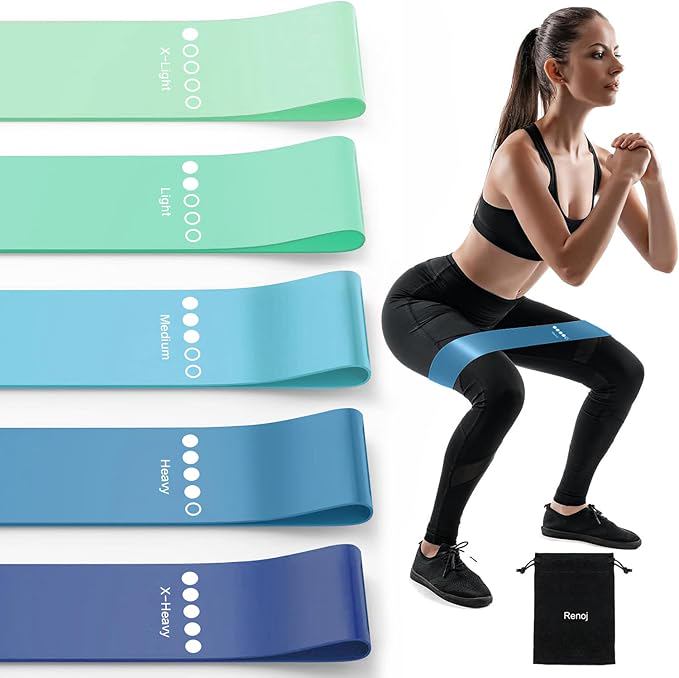
- Prioritize strength training. Lifting weights (or using bodyweight resistance) builds muscle. Muscle tissue is more metabolically active and improves how your body handles sugar, which directly helps insulin resistance.
- Use low-intensity movement for recovery. Activities like walking, slow flow yoga, or gentle Pilates keep you moving without spiking cortisol. A 30-minute walk after a meal is powerful for lowering blood sugar.
- Limit HIIT to 1–2 sessions per week. Keep the session short (15–20 minutes max) and avoid doing it on consecutive days. Listen to your body's energy levels.
- Watch the feedback loop. If you feel exhausted, ravenous, or anxious after a workout over a few weeks, your body is telling you the intensity is too high.
Building a smarter approach
Replacing the 'no pain, no gain' mindset with a 'gentle consistency' model often yields better results for PCOS. You don't need to quit cardio completely, but you do need to rethink why you're doing it. Is it to out-exercise hormone imbalances? That strategy does not work. The most sustainable routine is one that you can do consistently 4–5 times a week without feeling depleted. That might mean three days of strength training, two days of brisk walking, and one day of slower movement like a restorative yoga class.
Consider your recovery as part of your exercise plan. Adequate sleep, protein-rich meals post-workout, and stress management techniques (like breathwork or nature walks) are not optional extras—they are necessary components of any effective PCOS weight loss plan. When you lower your daily stress load, your body becomes far better at releasing stored fat.
Ultimately, exercise for PCOS is about sending a signal to your body that it is safe, strong, and supported. Overdone cardio and excessive HIIT send the opposite signal—one of threat and stress. By correcting these two common mistakes, you can move your body in ways that actually work with your hormones rather than against them, making weight loss more achievable and sustainable.