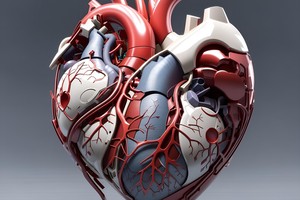
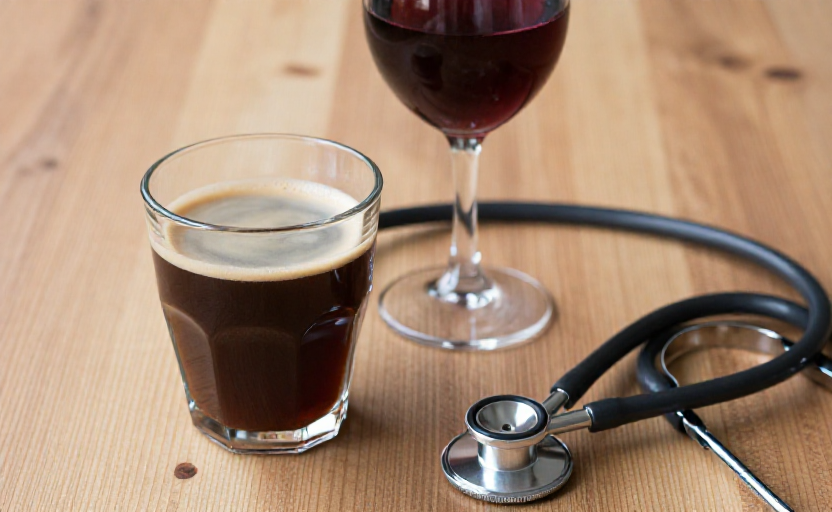
Living with a heart valve condition—whether it's mitral valve prolapse, aortic stenosis, or regurgitation—often means paying close attention to lifestyle habits that can affect your symptoms. While diet is a cornerstone of heart health, certain beverages can unexpectedly amplify palpitations, shortness of breath, or chest discomfort. Cardiologists and dietitians point to two common drinks that may worsen heart valve symptoms: caffeinated coffee and energy drinks, and excessive alcohol.
Why Caffeine and Energy Drinks Are Problematic
For many people, morning coffee is non-negotiable. But for those with heart valve disease, the stimulant effect of caffeine can be counterproductive. “Caffeine is a known stimulant that increases heart rate and can trigger arrhythmias like atrial fibrillation, which is a common complication of valve disorders,” says Dr. Rachel Stern, a cardiologist at a major teaching hospital. “If your valve isn't closing properly, the heart already works harder to pump blood. Adding caffeine can create an extra burden.”
Energy drinks are even more concerning because they often pack three to five times the caffeine of a standard cup of coffee, plus other stimulants like taurine and guarana. A 2023 review in the Journal of the American Heart Association linked energy drink consumption to increased systolic blood pressure and QT interval prolongation—both risk factors for arrhythmias and sudden cardiac events. For someone with a leaky or narrowed valve, this sudden spike in heart rate and blood pressure can worsen breathlessness and fatigue within minutes.
A tip from cardiologists: If you have heart valve disease, limit caffeine to no more than one small cup of coffee per day (about 100 mg of caffeine) and avoid energy drinks entirely.
Hidden sources of caffeine
Coffee and energy drinks aren't the only culprits. Many people overlook large iced teas, some sodas (especially colas), and even certain kombuchas. Check labels: even “decaf” coffee contains some caffeine. The American Heart Association recommends keeping total daily caffeine under 200 mg for those with heart conditions—roughly two small cups of coffee.
Alcohol and Heart Valve Symptoms
While moderate alcohol consumption has been debated in cardiovascular health for years, the consensus for valve disease is clearer: alcohol can worsen symptoms. “Alcohol is a direct myocardial depressant—it can weaken the heart muscle's contractility,” explains Dr. Stern. “For someone with a regurgitant valve, where blood leaks backward, a weaker squeeze means less blood gets to the body and more pools in the lungs. That can feel like sudden breathlessness.”
Alcohol also increases heart rate and can trigger atrial fibrillation, a rhythm that often coexists with mitral valve disease. A 2022 study published in Heart found that even a single serving of alcohol in people with pre-existing structural heart disease increased the odds of a rapid heart rate episode by 30% within 24 hours.
Red wine and myths
Many patients ask about red wine's supposed antioxidant benefits. While resveratrol does have anti-inflammatory properties, cardiologists generally advise against using red wine as a health intervention for valve disease. The American College of Cardiology's 2023 guideline update recommends limiting alcohol to moderate intake—no more than one drink per day for women and two for men—but emphasizes that for some patients with valve disease, even these limits may cause symptoms.
Key takeaway from nutrition experts: The most heart-valve-friendly drinks are plain water, herbal teas (like chamomile or peppermint), and small amounts of unsweetened pomegranate juice (due to its antioxidant profile).
What About Decaf Coffee and Non-alcoholic Beer?
Decaf coffee contains about 97% less caffeine than regular, making it a safer alternative for most people with valve issues—but it's not caffeine-free. If you're highly sensitive, try chicory root coffee or rooibos tea. Non-alcoholic beer often contains trace alcohol (up to 0.5% ABV), but most cardiologists consider it safe in moderation for valve patients who do not have arrhythmia triggers from trace amounts. However, always discuss with your healthcare provider first.
Practical Steps to Replace Trigger Drinks
Transitioning away from caffeine and alcohol doesn't need to be abrupt. Try these strategies recommended by dietitians:
- Swap gradually: Replace one cup of caffeinated coffee daily with half-caff, then decaf over 10–14 days.
- Flavor your water: Infuse water with lemon, cucumber, or berries to replace soda or cocktails.
- Herbal alternatives: Warm ginger tea or turmeric latte can satisfy the ritual of a hot drink without stimulants.
- Read labels: Cold-brew concentrates, green tea popsicles, and some pre-workout powders contain hidden caffeine.
Above all, keep a symptom diary for a few weeks. Note what you drink and when you feel palpitations, dizziness, or chest tightness. This can help you and your cardiologist identify personal triggers beyond these two common categories.
Heart valve disease is highly individual, so what causes symptoms in one person may not affect another. The safest approach is to stay within the low-caffeine, low-alcohol guidelines and prioritize whole foods—including magnesium-rich nuts, leafy greens, and omega-3s from fatty fish—which support heart muscle function and rhythm control.