Morning meals set the tone for the day, and after a stroke, every food choice matters more than ever. Recovery is a gradual process shaped by consistent habits, and breakfast—whether it's the first meal after waking or the last meal before a fasting period—can either support healing or quietly work against it. Two breakfast mistakes, in particular, may slow the progress you or a loved one is working so hard to make.
The brain and blood vessels are in a delicate state during stroke recovery. Inflammation, blood pressure regulation, and nutrient delivery all hinge on what enters the body early in the day. Understanding these two pitfalls can help you build a breakfast routine that fuels repair, not delays it.
Mistake 1: Starting the Day with a Sugar Rush
A bowl of sugary cereal, a glass of fruit juice, or a pastry might feel convenient, but these foods cause a sharp spike in blood sugar. For someone recovering from a stroke, this metabolic roller coaster can have real consequences.
High blood sugar is linked to increased inflammation and oxidative stress—two factors that can impair the brain's ability to heal. Research suggests that elevated glucose levels after a stroke are associated with worse functional outcomes. When you eat a breakfast that's heavy in refined carbohydrates and added sugars, you're essentially asking an already stressed cardiovascular system to handle an unnecessary load.
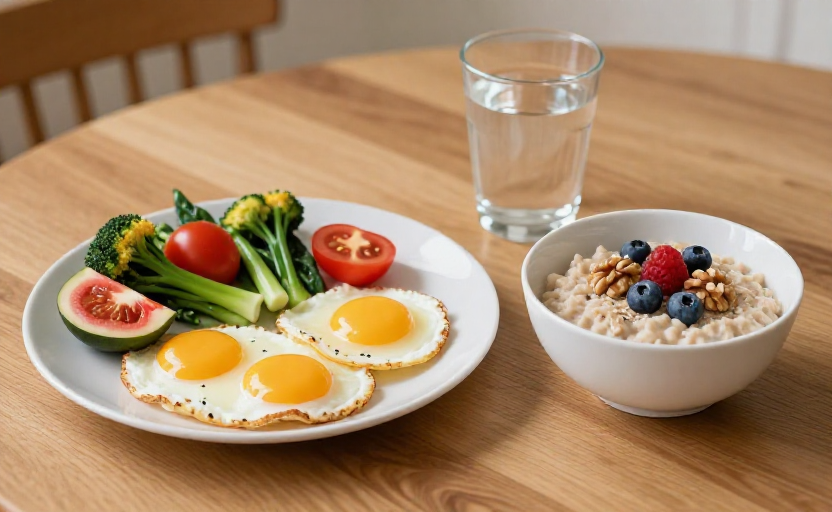
The fix isn't complicated: swap the sugar source for a protein-fat-fiber anchor. Eggs with avocado on whole-grain toast, plain Greek yogurt with berries and nuts, or a smoothie made with spinach, unsweetened almond milk, and a scoop of protein powder all provide steady energy without the crash. These choices help regulate blood sugar through the morning, giving the brain a stable environment for repair.
Think of breakfast as the first chance to feed your blood vessels and brain cells what they actually need—not just what's quick and sweet.
Mistake 2: Loading Up on Sodium Without Realizing It
Sodium is a hidden force in many breakfast foods. It's not just the salt shaker—processed meats like bacon and sausage, canned beans, frozen breakfast sandwiches, and even some breads and cheeses are surprisingly high in sodium. After a stroke, managing blood pressure is a priority, and excess sodium can push it in the wrong direction.
High blood pressure remains the leading risk factor for stroke, and after a stroke occurs, controlling it becomes even more critical. A high-sodium breakfast can contribute to fluid retention, increased vascular pressure, and added strain on the heart. Over time, this can slow the recovery process and increase the risk of a second event.
The key is to read labels and choose minimally processed ingredients. Instead of bacon or breakfast sausage, try scrambled eggs with sautéed vegetables and a sprinkle of herbs. Instead of a frozen breakfast burrito, make a quick bowl of oatmeal (unsalted) topped with sliced banana, walnuts, and a dash of cinnamon. Even a simple swap like using no-salt-added tomato juice or low-sodium cottage cheese can make a meaningful difference across weeks and months of recovery.
Building a Recovery-Friendly Breakfast
Beyond avoiding these two mistakes, there are patterns worth adopting. A breakfast that supports stroke recovery typically includes:
- Lean protein — eggs, Greek yogurt, cottage cheese, tofu, or a small portion of fish
- Healthy fats — avocado, nuts, seeds, or olive oil for brain cell support
- Fiber-rich carbohydrates — oats, quinoa, whole-grain bread, or berries to stabilize blood sugar and support digestion
- Low sodium — aim for under 300 mg per meal when possible, or follow your care team's specific guidance
It's also worth considering timing. Some people recovering from stroke may have altered appetites or difficulty chewing and swallowing (dysphagia). In those cases, softer options like mashed avocado on soft bread, smoothies, or warm oatmeal with pureed fruit can still deliver nutrition without the safety risks. Always consult a speech-language pathologist or dietitian for specific texture needs.
Why Small Changes Add Up
Stroke recovery is rarely dramatic. It's built on the accumulation of small, consistent actions—and breakfast is one of the most controllable parts of the day. By cutting back on sugar and hidden sodium, you're not just avoiding mistakes; you're actively creating conditions that support neuroplasticity, cardiovascular health, and steady energy levels.
If you're caring for someone recovering from a stroke, these breakfast adjustments can also reduce stress around meal preparation. Simple, nourishing meals that don't spike blood sugar or raise blood pressure are easier on the caregiver, too. One pot of steel-cut oats made in advance, a batch of egg muffins with vegetables, or single-serving bags of unsalted nuts are all practical ways to make the right choice the easy one.
The goal isn't perfection—it's direction. Every morning is a new chance to feed recovery, one plate at a time.