That flutter in your chest, the tightness in your shoulders, the racing thoughts that won’t quiet—anxiety can feel like a storm inside your body. While deep breathing, a walk, or a conversation are powerful tools, what you choose to drink in those moments can also be a gentle, supportive act. It’s not about a magical cure, but about offering your nervous system a signal of safety through simple, warm ritual.
Two humble beverages, backed by both tradition and growing science, stand out for their calming potential. They work not by force, but by nurturing. They shift the focus from trying to ‘stop’ the anxiety to providing a comforting, physiological counterpoint that can help your body find its way back to balance.
Why What You Drink Matters for Anxiety
Anxiety is a full-body experience. Your nervous system is on high alert, releasing stress hormones like cortisol and adrenaline. This triggers the ‘fight-or-flight’ response: heart rate increases, muscles tense, and digestion slows. The goal of a calming beverage isn’t to override this system, but to gently encourage the ‘rest-and-digest’ branch of your nervous system—the parasympathetic system—to become more active.
Warmth, certain amino acids, and plant compounds can act on receptors in the brain and gut, sending signals of safety. The very act of slowly sipping something warm is a mindful pause, a physical interruption of the anxiety cycle. It’s a small, accessible way to practice self-care in a moment of distress.
Think of a calming drink not as a solution, but as an anchor—a simple, sensory experience that grounds you in the present.
1. Chamomile Tea: The Time-Honored Soother
For centuries, chamomile has been the go-to remedy for frayed nerves and restless nights. Its gentle, apple-like aroma is calming in itself. Modern research suggests why it’s so effective: chamomile contains apigenin, an antioxidant that binds to certain receptors in the brain similarly to how some medications do, promoting relaxation and reducing anxiety.
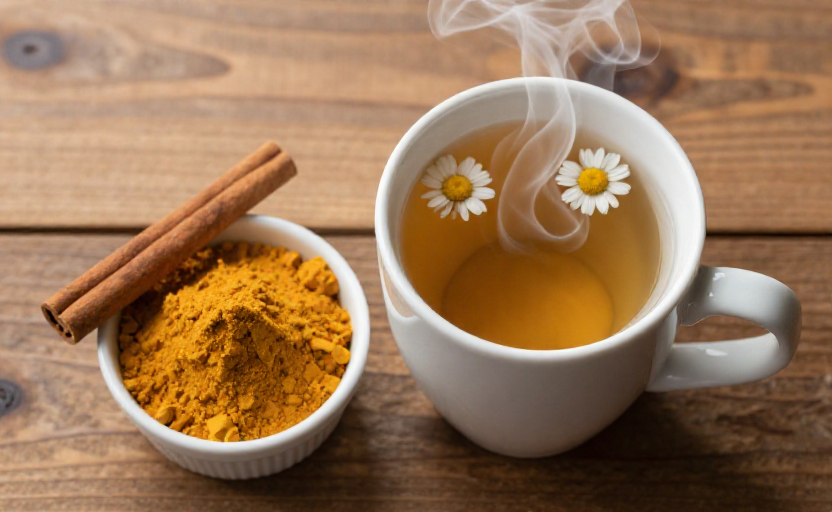
A warm cup of chamomile tea does several things at once. The heat helps relax tense muscles. The ritual of brewing forces a momentary slowdown. And the compounds in the tea may directly support a calmer state. It’s a holistic approach in a mug.
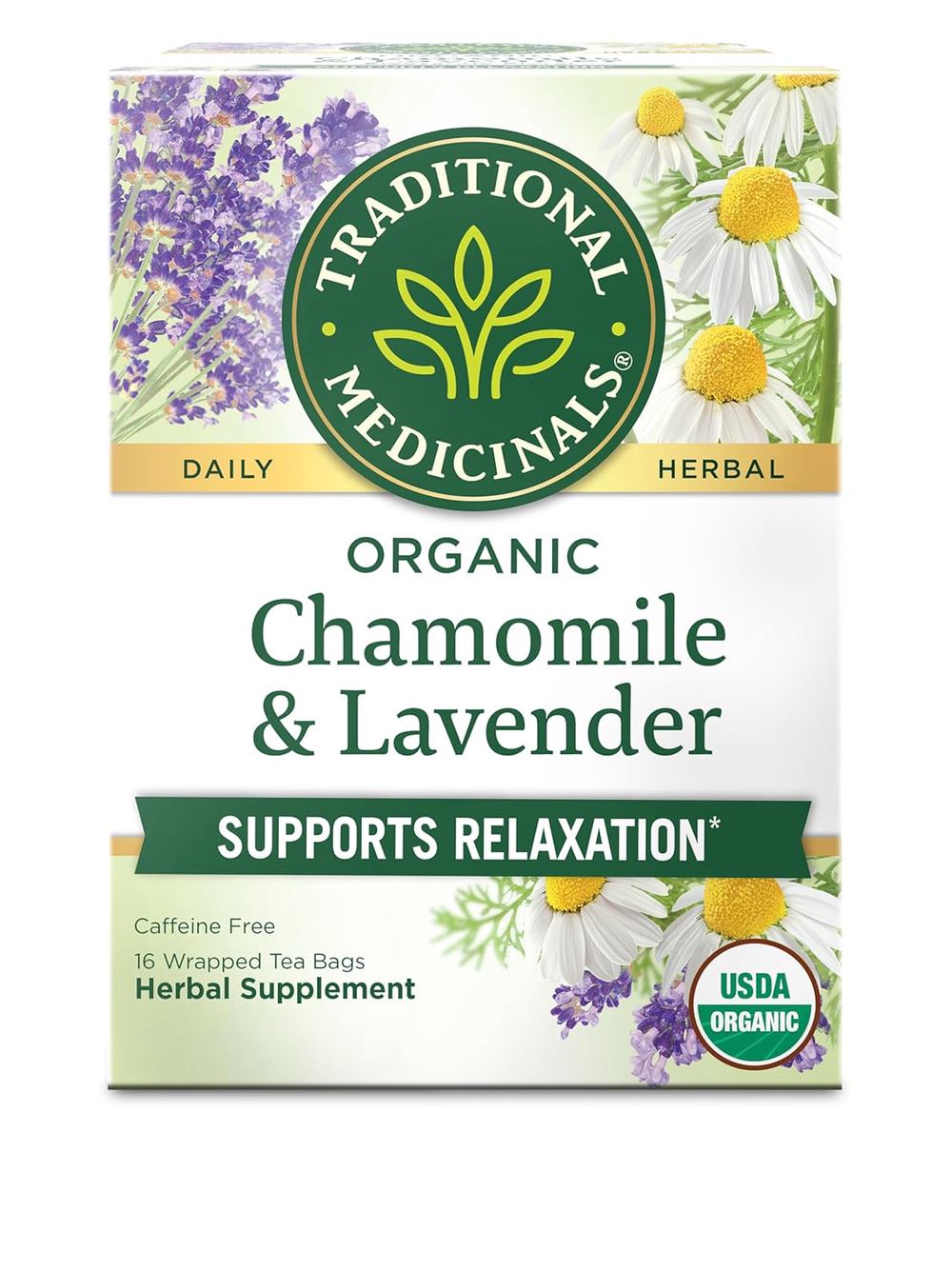
How to use it best: Keep chamomile tea bags or loose-leaf tea on hand. When anxiety begins to bubble up, take five minutes to prepare it mindfully—boiling the water, steeping the bag, watching the color bloom. Sip it slowly, focusing on the warmth traveling through your body. For many, drinking it in the evening can also ease the transition into sleep, quieting a busy mind.
2. Warm Milk with a Pinch of Turmeric (Golden Milk)
This might sound like an old wives’ tale, but warm milk has scientific merit for calming nerves. Milk contains tryptophan, an amino acid that is a precursor to serotonin, the neurotransmitter that regulates mood and promotes feelings of well-being. The warmth enhances this effect by providing physical comfort.
Elevating this simple drink with a pinch of turmeric transforms it into ‘golden milk,’ a potent anti-inflammatory elixir. Chronic, low-grade inflammation is increasingly linked to anxiety and mood disorders. Turmeric’s active compound, curcumin, may help modulate this inflammatory response. The fat in milk (or a dairy-free alternative like coconut milk) helps your body absorb the curcumin.
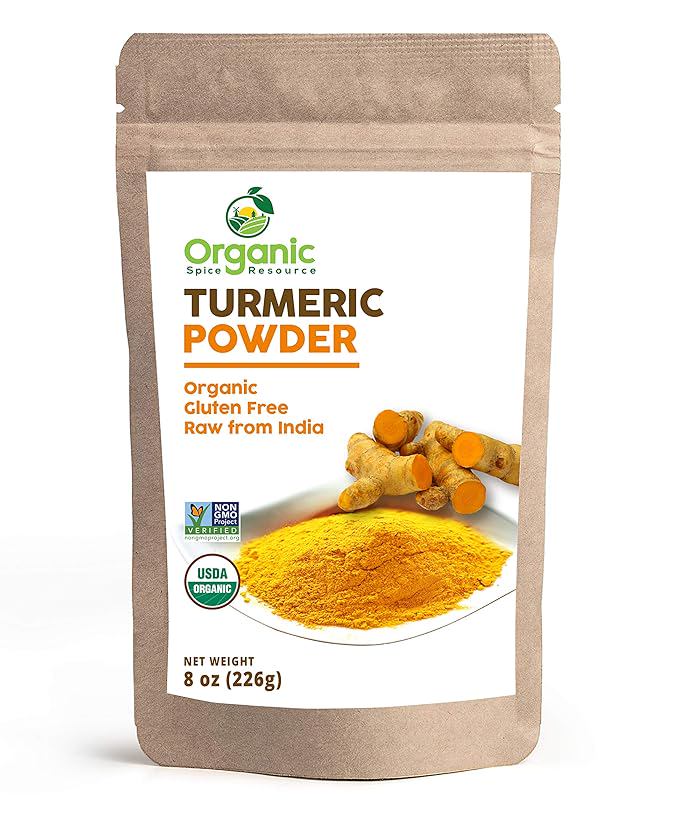
How to prepare it: Gently heat a cup of your preferred milk (dairy, almond, oat, or coconut) on the stove. Just before it boils, whisk in about 1/4 teaspoon of turmeric powder, a tiny pinch of black pepper (which dramatically increases curcumin absorption), and perhaps a dash of cinnamon or honey for taste. The process of making it is meditative, and the resulting creamy, spiced drink is profoundly soothing.
What to Avoid When You're Feeling Anxious
Just as some drinks can calm, others can amplify anxiety. Being mindful of these can make your chosen calming beverage more effective.
- Caffeine: This stimulant can increase heart rate, jitteriness, and even trigger panic attacks in sensitive individuals. Be cautious with coffee, black tea, green tea, and soda.
- Alcohol: While it may seem relaxing initially, alcohol is a depressant that disrupts sleep and neurotransmitter balance, often leading to rebound anxiety.
- Sugary Drinks: A rapid spike and crash in blood sugar can mimic or worsen feelings of anxiety and shakiness.
Creating Your Calming Ritual
The power of these drinks is magnified by intention. Don’t just gulp it down. Create a tiny ritual. Use a favorite mug. Sit in a comfortable chair. Feel the warmth of the cup in your hands. Take slow, deep breaths between sips. This turns a simple beverage into a powerful practice of nervous system regulation, reminding your body that in this moment, you are safe.