If you have peripheral artery disease (PAD), the phrase “go take a walk” might sound like the last thing you want to hear. The calf cramps, the aching hips, the heavy feeling in your legs after just a block or two—it’s real. But here’s the surprising, well-studied truth: a specific type of walking habit is one of the most effective tools for slowing PAD progression and actually improving how far you can walk.
Research has moved beyond vague advice like “exercise more.” We now know the specific dose and style of walking that helps the most. It isn’t about pushing through excruciating pain. It’s about a structured, stop-and-go rhythm that trains your leg muscles to use oxygen more efficiently—even when arteries are narrow.
Why “Stop-and-Go” Walking Works for PAD
Classic PAD pain—called claudication—happens when demand for blood in your leg muscles outruns supply. Your instinct is to stop. With the right walk-stop-walk pattern, you’re doing something remarkable: teaching the microcirculation in your legs to adapt. The repeated cycles of mild oxygen shortage followed by recovery stimulate the growth of tiny collateral blood vessels, which create new detours around blockages.
This isn’t guesswork. Cardiovascular rehabilitation guidelines now recommend interval walking as the go-to exercise therapy for PAD. In clinical trials, people who used this method saw faster improvements in pain-free walking distance and quality of life than those who walked continuously at a low, comfortable pace.
The Habit: Walk Until Pain Reaches Moderate, Rest Until It Fades
Here’s the practical framework that researchers and vascular specialists have zeroed in on:
- Go at a brisk-but-not-racing pace. You should feel effort in your legs within the first minute or two.
- Walk until you hit “moderate” claudication pain. That’s about a 3 or 4 on a 0-to-10 scale—definite discomfort, not agonizing.
- Stop and rest standing still (don’t sit). Wait until the pain drops to nearly nothing, usually a 1 or 0.
- Start walking again immediately. Repeat this cycle for a total of 30 to 50 minutes of walking time (not counting rests).
- Aim for at least three sessions per week. Consistency matters far more than intensity.
That’s it. It sounds simple, but this interval protocol is far more effective than a meandering stroll. Many people with PAD notice measurable improvements in the distance they can cover within four to six weeks.
What the Research Actually Found
One landmark study published in the Journal of the American Heart Association compared this walking pattern to a low-intensity walking program. Participants who followed the stop-and-go method increased their pain-free walking distance by nearly 60 percent over twelve weeks. Those in the slower-paced group saw only modest gains. Another study found that this type of walking reduced the need for revascularization procedures in some people with early-stage PAD.
Mechanistically, the key change is in the calf muscle itself. Muscle biopsies from study participants showed a shift toward more aerobic, efficient energy production. In plain language: the legs learned to get more work done with less oxygen.
Watch Your Speed and Surface
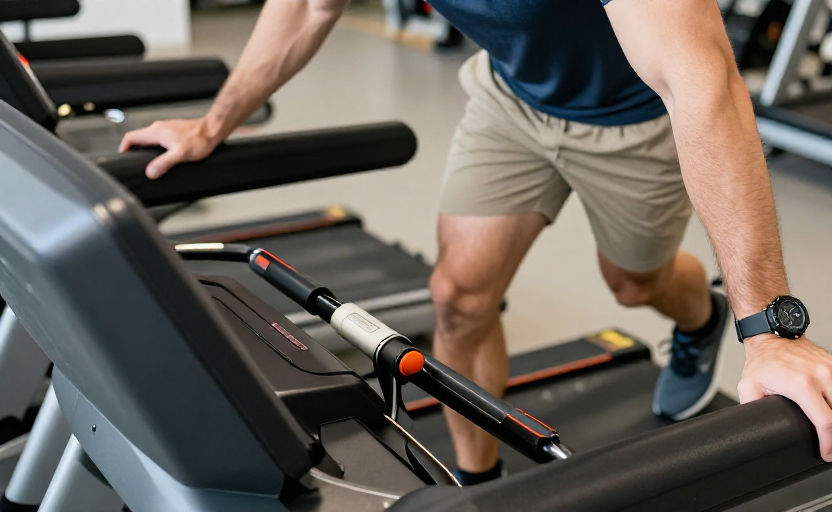
To get the most from this habit, pay attention to terrain. Walking on a treadmill is often easier to control because you can set a steady incline (generally 0–3 percent) and speed. If you prefer walking outdoors, choose a flat, paved path so you can focus on the interval rhythm rather than dodging obstacles.
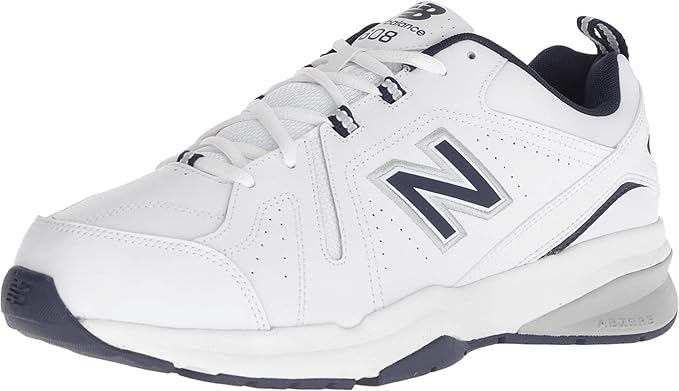
Wearing properly fitting walking shoes with good arch support is important, but don’t get hung up on equipment. The walking itself—not the gear—drives the results.
When to Talk to Your Doctor Before Starting
If you have rest pain (pain in your feet or toes even when you’re sitting still) or if you have open sores or ulcers on your legs, do not start this walking program on your own. That’s a sign of more advanced PAD, and you need a full medical evaluation first. For most people with stable claudication, this interval walk program is safe, but it’s always a good idea to get a green light from your vascular specialist or primary care provider. Ask them specifically: “Is supervised exercise therapy an option for me?” Many insurance plans now cover it.
Beyond that, know the red-flag symptoms that warrant a call to your doctor: chest pain, severe shortness of breath, dizziness during walking, or pain that does not resolve after several minutes of rest.
Building the Habit That Lasts
Slowing PAD progression doesn’t require a radical lifestyle overhaul. It requires a routine you can stick with. Start with shorter sessions—15 minutes of walking time, with as many rest breaks as you need—and gradually build up. Set a timer on your phone. Keep a log of how far you get. That data is motivating because it shows real progress.
The most important step is the next one. Not a marathon. Not a power-walk. Just a few careful, deliberate intervals today, tomorrow, and the day after that.
“Every interval you finish is a small signal to your blood vessels: build more roads.” — Dr. Mary McGrae McDermott, Northwestern University PAD researcher