
For many of us, the morning routine runs on autopilot. We wake up, reach for a cup of coffee, and start ticking off the day's tasks. But if you have been told you have a heart murmur—even a benign one—that first-morning cup might be doing more than just waking you up. Cardiologists point to one common morning habit that could actually increase the workload on your heart and potentially worsen a murmur: consuming a large dose of caffeine on an empty stomach.
Before you worry, let's be clear: most heart murmurs are harmless (doctors call them "innocent" murmurs) and require no treatment. However, for those with a structural issue like a leaky valve (mitral regurgitation) or a narrowed valve (aortic stenosis), the way you start your day matters. Here’s why that morning pick-me-up deserves a second look.
What is a Heart Murmur?
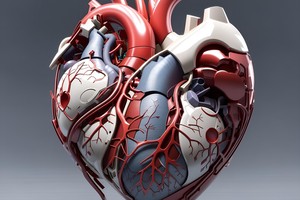
A heart murmur is simply an extra sound—a whoosh or swish—that blood makes as it flows through the heart valves. It is not a disease itself but sometimes a sign of a valve problem. Your heart works as a four-chambered pump, and the valves act as one-way doors. When a valve doesn't close tightly (regurgitation) or doesn't open fully (stenosis), blood flow becomes turbulent. That turbulence is the murmur your doctor hears with a stethoscope.
The Problem with a Big Morning Caffeine Hit
Caffeine is a stimulant. It blocks adenosine receptors in your brain, which is why you feel more alert. But it also acts on your cardiovascular system. In sensitive individuals or at higher doses, caffeine can cause a temporary spike in blood pressure and an increase in heart rate. For a structurally normal heart, this is usually no big deal. But if your heart is already working harder because of a leaky or stiff valve, that extra push can be problematic.
Why morning? When you wake up, you are already slightly dehydrated after a night's sleep. Your blood volume is concentrated. Add a strong cup of coffee or tea to an empty stomach, and the caffeine hits your system fast. The combination of dehydration and stimulant can crank up your heart rate and blood pressure in a way that increases the resistance against which your valves must work.
How caffeine affects a specific valve issue
- Aortic stenosis: The aortic valve is stiff and doesn't open fully. The heart has to push harder to get blood out. Caffeine can raise blood pressure, making this even harder for the heart muscle.
- Mitral valve prolapse / regurgitation: The valve doesn't close tightly, and blood leaks backward. Caffeine's potential to raise heart rate and blood pressure can increase the volume of blood that leaks back, potentially worsening symptoms like palpitations or shortness of breath.
This is not about demonizing coffee. Many studies show moderate coffee consumption is actually linked to heart health benefits. The key is timing, quantity, and what you combine it with.
What Cardiologists Actually Recommend
Instead of waking up and immediately gulping down a large, strong coffee, doctors suggest a gentler approach:
- Hydrate first. Drink a full glass of water before your first cup of anything with caffeine. This rehydrates you and may blunt the stimulant effect.
- Don't drink it black on an empty stomach. Have your coffee or tea with a small meal or snack. Food slows caffeine absorption and gives your cardiovascular system a gentler ramp-up.
- Watch the dose. One standard cup (8 oz) is usually fine for most people. A large coffee-shop serving (16+ oz) in the morning may be too much, too fast.
- Know your status. If you have a known structural valve issue, talk to your cardiologist about caffeine. They may recommend keeping intake under 200–300 mg per day (about 2 cups) and spacing it out.
Is It Time to See a Doctor?
If you have a murmur and notice that your morning coffee is followed by palpitations, fluttering, chest discomfort, or unusual shortness of breath, that is a sign worth paying attention to. These symptoms may indicate that the extra load from stimulants is more than your valve can comfortably handle. A standard ECG, or sometimes an echocardiogram, can clarify how your heart is handling your daily habits.
Ultimately, the morning habit that matters most isn't entirely quitting caffeine—it's paying attention to how you consume it. A mindful approach, starting with water and a light breakfast before the coffee, is a small change that can take some strain off your heart valves and keep your mornings the way they should be: calm and ready for the day.