
If you have ever woken from a vivid dream only to have it dissolve within minutes, you know the frustration of losing those nighttime stories. While dream recall varies from person to person, research suggests that one simple dietary addition to your evening routine may help you hold onto those fleeting memories just a little bit longer.
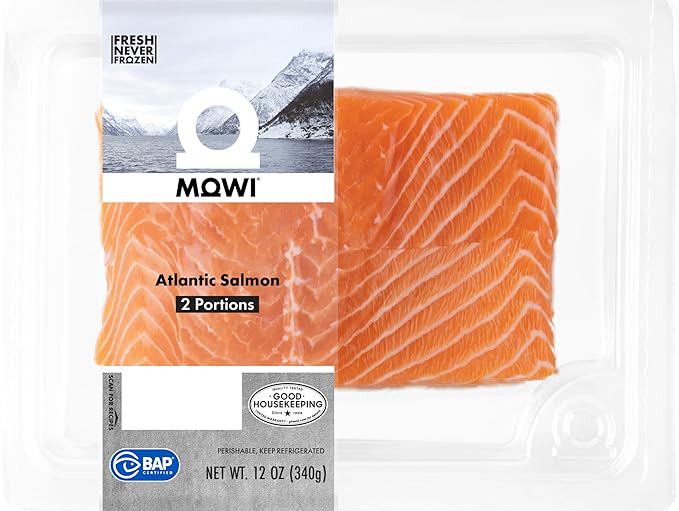
The food in question is not a supplement, a tea, or a trendy superfood powder. It is a common, nutrient-rich ingredient that has been studied for its effects on sleep quality and memory consolidation: fatty fish, particularly salmon, mackerel, and sardines. The connection lies in a specific nutrient—vitamin B6—and the role it plays in the brain during sleep.
How Vitamin B6 Supports Dream Recall
A 2018 randomized, double-blind, placebo-controlled study published in the journal Perceptual and Motor Skills examined the effects of vitamin B6 on dream recall. Participants who took a high-dose B6 supplement before bed reported a significant improvement in their ability to remember dreams upon waking, compared to those who took a placebo. The researchers hypothesized that B6 enhances the brain's ability to consolidate memories during the rapid eye movement (REM) stage of sleep, when most vivid dreaming occurs.
Fatty fish are among the richest natural dietary sources of vitamin B6. A single serving of cooked salmon provides about 0.6 milligrams of B6, which is roughly 35% of the daily recommended intake for adults. Other sources include poultry, chickpeas, bananas, and potatoes, but fish offers the additional benefit of omega-3 fatty acids, which are known to support brain health and sleep quality.
Why Timing Matters: Evening Routine and Sleep Cycles
Adding fatty fish to your evening meal may be particularly effective because the digestion of protein and healthy fats takes several hours, which aligns with the body's natural sleep-wake cycle. Eating fish earlier in the evening—around dinner time, rather than right before bed—gives your body time to absorb the nutrients before you enter deep sleep.
A simple guideline: aim to finish your last meal at least two to three hours before bedtime to avoid digestive disruption while still allowing B6 to circulate.
The B6 vitamin helps convert the amino acid tryptophan into serotonin, which is then converted into melatonin, the hormone that regulates sleep. Better sleep architecture—particularly longer and more stable REM cycles—creates the conditions for stronger dream encoding. When you wake during or shortly after a REM phase, you are far more likely to recall a dream.
What the Research Does and Does Not Say
It is important to keep expectations in check. The 2018 study used a supplement containing 240 milligrams of vitamin B6—far higher than what you would get from a serving of fish. Dietary sources are gentler and provide a slower, more sustained release of nutrients. While eating fatty fish can support overall brain health and sleep, it may not produce the same acute effect on dream recall as a high-dose supplement.
Additionally, dream recall is influenced by many factors: stress levels, alcohol consumption, sleep duration, and even how quickly you wake up. No single food guarantees vivid dreams. However, consistently including B6-rich foods in your evening routine may tip the scales in your favor over time.
Simple Ways to Add Fatty Fish to Your Evening Meal
- Grilled salmon with roasted vegetables—a light dinner that digests well and provides a solid dose of B6.
- Mackerel on whole-grain toast with a side salad for a quick, nutrient-dense meal.
- Sardines mixed into pasta or spread on crackers as an appetizer earlier in the evening.
If you do not eat fish, consider adding a small serving of cooked chickpeas or a banana as a post-dinner snack, though these provide less B6 per serving.
Practical Tips for Improving Dream Recall
Diet is just one piece of the puzzle. To complement your evening routine, try these evidence-backed habits:
- Keep a dream journal by your bed and write down anything you remember immediately upon waking, even fragments.
- Wake up slowly and lie still for a moment before moving—this helps preserve the memory trace.
- Limit alcohol in the evening, as it suppresses REM sleep and significantly reduces dream recall.
- Prioritize consistent sleep of seven to nine hours per night to allow for complete sleep cycles.
Dreaming is a fascinating window into the brain's overnight processing. While adding fatty fish to your dinner is a simple and nourishing step, remember that the biggest impact comes from creating an overall sleep-friendly routine. Good sleep hygiene, stress management, and a balanced diet work together to support both the quantity and quality of your dreams.