
Managing blood pressure often feels like a full-time job of avoiding salt, reading labels, and remembering to take medication. But what if the simple act of choosing the right snack before bed could offer real, measurable support for your cardiovascular system? Emerging research points to a specific, nutrient-dense option that may help stabilize blood pressure through the night and reduce the likelihood of waking up dizzy or lightheaded.
That snack is a small bowl of plain, whole-milk Greek yogurt topped with a handful of pumpkin seeds and a drizzle of raw honey. It is not a miracle cure, but the combination works in ways that align with current understanding of how the body regulates blood pressure during sleep.
Why This Snack Works for Blood Pressure Stability
Blood pressure naturally dips during deep sleep — a phenomenon called nocturnal dipping. For people whose pressure does not dip enough, or who experience sharp spikes in the early morning, the risk of dizziness, headaches, and even cardiovascular events increases. The right pre-bed snack can support a smoother, more consistent pressure curve through the night.
Three Key Components That Matter
Calcium and magnesium. Greek yogurt is rich in both minerals, which play direct roles in vascular relaxation. Magnesium helps blood vessels widen, reducing resistance and pressure. Calcium supports the electrical signals that regulate heart rhythm. A 6-ounce serving of plain Greek yogurt provides roughly 20% of the daily magnesium requirement and 15% of calcium, making it one of the most efficient sources available.
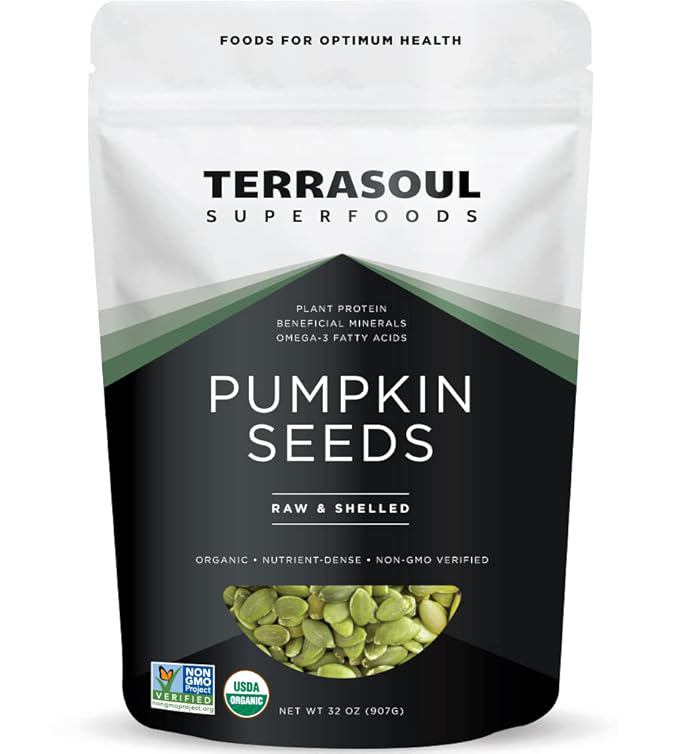
Pumpkin seeds for potassium and zinc. A tablespoon of pumpkin seeds delivers about 150 milligrams of potassium — a mineral that counteracts sodium's pressure-raising effects. They are also a rare plant source of zinc, which supports endothelial function. The seeds add a satisfying crunch and a dose of healthy fats that slow digestion, preventing the blood sugar spikes that can destabilize pressure.
Honey for glycogen support. A small amount of raw honey provides a slow-release carbohydrate that helps the liver maintain stable blood sugar overnight. When blood sugar drops too low, the body releases stress hormones like cortisol and adrenaline, which can spike blood pressure and cause early-morning dizziness. A teaspoon of honey is enough to prevent that cascade without raising blood sugar levels into unhealthy territory.
The Research Behind the Combination
While no single study has tested this exact trio, a growing body of evidence supports each component. A 2021 meta-analysis in the Journal of Hypertension found that higher dietary magnesium intake was associated with a 14% lower risk of developing high blood pressure. Another trial from the American Journal of Clinical Nutrition showed that consuming 350–400 milligrams of potassium per meal reduced systolic pressure by an average of 4.2 mmHg in adults with borderline hypertension.
Pumpkin seeds, specifically, have been studied for their ability to improve nitric oxide production — a molecule that helps blood vessels relax. A small 2023 study published in Nutrients gave participants 30 grams of pumpkin seeds daily for 12 weeks and observed significant reductions in both systolic and diastolic readings compared to a control group.
The yogurt–seeds–honey snack also avoids the common pitfalls of late-night eating. It is low in sodium, contains no refined sugars (if you use raw honey or skip it altogether), and provides enough protein — about 18 grams — to promote satiety without overloading the digestive system right before bed.
How to Build This Snack Without Compromising Sleep
Timing and portion size matter. Aim to eat this snack about 60 to 90 minutes before you lie down. This gives digestion a head start, reducing the chance of acid reflux or bloating. Stick to the following proportions:
- 1 cup (about 220 grams) plain, full-fat Greek yogurt
- 1 tablespoon raw pumpkin seeds (unsalted)
- 1 teaspoon raw honey (optional, but helpful for blood sugar stability)
If you are dairy-sensitive or follow a vegan diet, unsweetened coconut yogurt or a thick plant-based alternative can work, though the calcium and magnesium content will be lower. In that case, consider adding a small handful of spinach or a slice of avocado to compensate.
For those who need to watch potassium intake due to kidney issues, consult a healthcare provider before adding pumpkin seeds regularly, as they are moderately high in potassium.
One small change — a snack that works with your body's natural rhythms — can make the difference between a restless night and waking up clearheaded, steady on your feet, and ready for the day.
Who Might Benefit Most From This Snack
This snack is particularly well-suited for adults over 50, who often experience a natural decline in magnesium absorption, and for individuals who have been told their blood pressure is in the prehypertension range (120–129 systolic) but are not yet on medication. It also helps people who notice dizziness when standing up quickly in the morning — a sign that blood pressure may be dropping or surging unpredictably overnight.
If you already take antihypertensive medication, adding this snack will not replace your prescription, but it may help smooth out the fluctuations that medication alone does not always manage. Always share dietary changes with your doctor, especially if you take diuretics or beta-blockers, which interact with mineral levels.
Frequently Asked Questions
Is it safe to eat yogurt before bed if I have acid reflux?
Full-fat yogurt can trigger reflux in some people because fat relaxes the lower esophageal sphincter. If that applies to you, use low-fat or non-fat Greek yogurt and eat the snack at least two hours before lying down. The protein and fat in pumpkin seeds may cause discomfort for a small number of individuals, so start with a half tablespoon.
Can I use a different type of seed?
Yes, but the mineral profile changes. Sunflower seeds are higher in vitamin E but lower in potassium. Hemp seeds offer similar magnesium but less zinc. Chia seeds provide omega-3s and fiber, which also support heart health — but they form a gel in liquid that may change the texture. Pumpkin seeds remain the best option for blood pressure support because of their potassium and nitrate content.
How long until I notice changes in my blood pressure or dizziness?
Most people report feeling less dizzy within three to five days if the dizziness was related to overnight blood sugar dips. Measurable changes in blood pressure at the doctor's office typically require consistent use for two to four weeks, combined with an overall low-sodium diet and adequate hydration.
Should I avoid this snack if I have diabetes?
Plain yogurt and pumpkin seeds are both low on the glycemic index. Honey adds about 5 grams of sugar per teaspoon, which is acceptable for most people with well-controlled diabetes. However, individual responses vary. Check your blood sugar an hour after eating this snack a few times to confirm it stays within your target range. If needed, skip the honey or replace it with a pinch of cinnamon and stevia.