
If you’re trying to be good to your heart, you’ve probably swapped butter for olive oil, started taking the stairs, and maybe even checked your blood pressure. But there’s one daily habit that could be quietly undoing that work, and it’s something you might be sipping right now. Cardiologists are increasingly pointing to a single popular beverage as a major culprit in coronary artery damage.
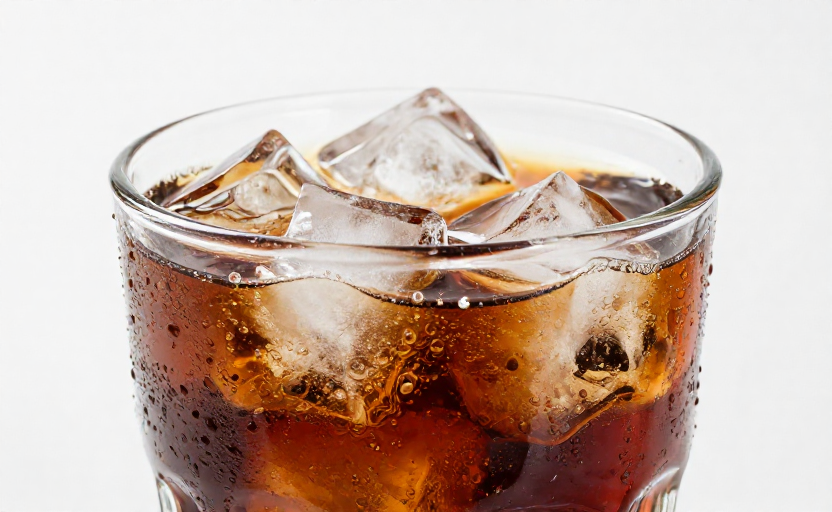
The drink in question? Sugary soda. While many people worry about salt or red meat, the evidence against regular soft drinks is stacking up fast. Here’s what the experts say about why this one drink is so tough on your arteries, and what to do about it.
Why Soda Attacks Your Arteries
Your coronary arteries are the delicate blood vessels that supply your heart muscle with oxygen-rich blood. When they get narrow or clogged—a condition called coronary artery disease—you’re at risk for chest pain, heart attack, and stroke. Cardiologists explain that sugary soda accelerates this process in two key ways.
First, the high dose of liquid sugar—often high-fructose corn syrup in US brands—hits your bloodstream almost instantly. This triggers a sharp spike in blood sugar and insulin. Over time, these spikes lead to insulin resistance and chronic inflammation, both of which are direct drivers of plaque buildup in the arteries.
Secondly, regular consumption is linked to higher triglycerides and lower HDL (good) cholesterol. A study published in the Journal of the American Heart Association found that people who drank sugary beverages daily had a 26% higher risk of developing coronary heart disease compared to those who rarely drank them.
Think of it this way: A single 12-ounce can of soda contains about 39 grams of sugar—that’s nearly 10 teaspoons. The American Heart Association recommends no more than 6 teaspoons of added sugar per day for women, and 9 for men. One can nearly maxes out your daily limit.
The Hidden Culprit: Fructose vs. Glucose
Not all sugars are created equal when it comes to heart health. Soda is particularly problematic because it's loaded with high-fructose corn syrup. Your liver metabolizes fructose differently than glucose. “Excess fructose is converted directly into fat in the liver, which raises triglyceride levels and promotes the formation of small, dense LDL particles,” explains Dr. Andrew Freeman, director of cardiovascular prevention at National Jewish Health in Denver. These small, dense LDL particles are especially dangerous because they can more easily penetrate artery walls and trigger inflammation.
These metabolic changes begin to occur even if you’re not overweight. Many normal-weight individuals who drink soda daily can still develop non-alcoholic fatty liver disease and early arterial stiffness.
Wait—Is Diet Soda Any Better?
This is where it gets tricky. Many people switch to diet soda thinking they’ve outsmarted the problem, but cardiologists are skeptical here, too. While diet soda removes the sugar and calories, emerging research suggests it may not be neutral for your arteries.
Large observational studies have found that people who drink diet soda daily still have a higher risk of stroke and heart attack than those who rarely or never drink it. Why? Potential reasons include artificial sweeteners disrupting gut bacteria, confusing the body’s natural sugar-regulation system, and potentially increasing cravings for real sugar. The evidence isn’t as settled as it is with regular soda, but most cardiologists recommend water, seltzer, or unsweetened tea as safer bet.
Practical Swaps That Actually Work
If you currently drink soda every day, going cold turkey can feel brutal. Here are realistic strategies that cardiologists recommend to their patients:
- Fizzy water with a twist. Plain seltzer or sparkling water with a squeeze of lemon, lime, or a few muddled raspberries provides the carbonation you crave without the sugar.
- Half-and-half trick. Mix half soda with half plain seltzer. You cut the sugar by 50% while still getting a taste of the original drink.
- Iced unsweetened tea. Brew a pitcher of green or black tea and chill it. Add a slice of fresh ginger or a sprig of mint for flavor without calories.
- Limit yourself to special occasions. If you absolutely love a particular soda, consider it a treat—once a week or less—rather than a daily habit.
The key is not to villainize an occasional soda. Having one at a party or with a meal every couple of weeks is unlikely to cause major harm. The danger lies in daily consumption, where the cumulative effects on your arteries become significant.
The Bottom Line for Your Heart
Your coronary arteries don’t show immediate signs of damage from a single soda. But over years, the combination of high sugar spikes, inflammation, and altered cholesterol profiles paints a clear picture. Cardiologists consistently rank cutting out sugary drinks among the top three changes you can make for your heart, right up there with quitting smoking and regular exercise.
If you care about protecting your arteries, the simplest, most effective step you can take today is to replace that daily can of soda with water or unsweetened seltzer. It’s a single swap that your heart will thank you for—with every beat.