
You might think of heart failure as a condition that progresses slowly, regardless of what you do on a daily basis. But cardiologists point to one everyday habit that can actively accelerate symptom severity: drinking too much fluid — even when you feel thirsty.
People living with heart failure often retain sodium and water more easily than others. The heart simply cannot pump blood efficiently enough to keep fluid from pooling in the lungs, abdomen, and lower extremities. That extra fluid forces the heart to work harder, triggering shortness of breath, fatigue, and swelling. Here is what the experts want you to understand about this common but often overlooked habit.
Why fluid intake matters so much in heart failure
A healthy heart handles extra fluid by increasing output. In heart failure, the pump is already struggling. Adding more fluid raises the pressure inside the blood vessels and heart chambers, which can quickly lead to congestion. The result is often a worsening of symptoms like coughing, difficulty breathing when lying flat, and leg or ankle edema.
Cardiologists typically recommend a fluid restriction — not punishing, but purposeful. Most guidelines suggest staying under 1.5 to 2 liters of total fluid per day, though your doctor will set a personalized number. The tricky part is that “fluid” includes anything liquid at room temperature: water, coffee, tea, soup, yogurt, ice cream, and juicy fruits like melon or oranges. It adds up before you know it.
Thirst can be misleading
The body’s thirst mechanism is generally reliable, but in heart failure it can send false alarms. Excess salt intake, dry mouth from medications (especially diuretics), and even hot weather can make you feel thirstier than you truly are. Drinking large volumes to satisfy that sensation may overload the cardiovascular system before the kidneys have a chance to catch up.
One way to manage this is to sip small amounts throughout the day rather than drinking full glasses at once. Using a marked water bottle can help you track your intake without guessing. Some people find that sucking on a sugar-free hard candy or chewing gum eases dry mouth without adding fluid.
Hidden sources of fluid you might miss
It is easy to count the water you drink from a bottle or glass. The less obvious fluid comes from broths, smoothies, iced lattes, and even gelatin desserts. A typical bowl of soup holds around 250–400 milliliters of fluid. A large latte can be 350–450 milliliters. Adding these to your daily tally can push you over a recommended limit before dinner.
Tip: Keep a simple log for two or three days — you may be surprised by how much fluid you actually consume.
Not every patient needs the same restriction
Fluid restriction is not one-size-fits-all. People with mild heart failure or those on effective diuretic therapy may not need to limit fluids as strictly. However, for individuals with advanced heart failure, frequent hospitalizations, or resistant swelling, even a small surplus can tip the balance toward a flare-up.
You should never start a fluid restriction on your own without talking to your healthcare team. If you notice new or worsening shortness of breath, rapid weight gain (more than two to three pounds in a day or five pounds in a week), or increased swelling, contact your cardiologist promptly. Those are signs that your fluid balance may be off — and that your current plan needs adjustment.
How to break the habit of overhydrating
Changing a habit as automatic as drinking water takes awareness, not willpower. Try these small shifts that cardiologists recommend:
- Sip, don’t gulp. Smaller volumes spread across the day are easier for the heart to manage.
- Measure your fluids for the first week so you understand your baseline.
- Use thirst-quenching alternatives like ice chips or very small amounts of cold water (under a quarter cup) in a tiny cup.
- Limit salty foods, since sodium increases thirst and drives fluid retention.
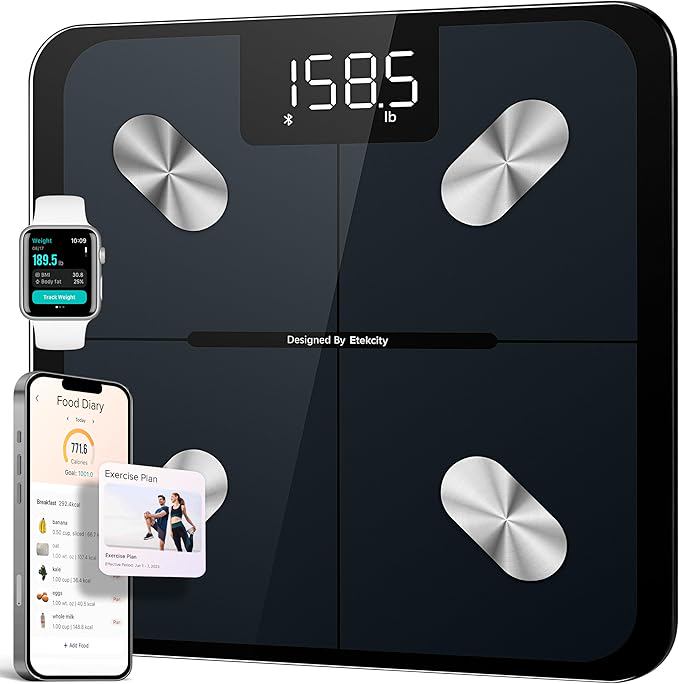
- Weigh yourself daily at the same time, on the same scale, wearing similar clothing. A sudden jump is often the first clue of fluid overload.
Hydration is still necessary for kidney function and overall health — the goal is not to dehydrate. The goal is to find the sweet spot where you stay hydrated without forcing a compromised heart to manage a volume it cannot handle.
A conversation worth having
If you have heart failure and have never discussed fluid limits with your cardiologist, now is the time to ask. The question “How much fluid should I drink each day?” might seem simple, but it can make a measurable difference in how you feel and how often you end up in the hospital. Cardiologists see this pattern repeatedly: a patient feels a little thirstier, starts drinking freely, and within days develops breathing trouble that requires medical intervention. Breaking that cycle starts with understanding that for a weakened heart, “listening to your body” sometimes means filtering what the body is saying through a layer of caution and medical guidance.