Morning routines can feel particularly sacred, and your first meal of the day sets the tone for energy, cravings, and even your long-term health. For those keeping an eye on cholesterol numbers, a simple dietary adjustment at breakfast might offer more impact than you think. Dietitians often point to one specific swap that can help lower LDL (the 'bad' cholesterol) without making you feel deprived: replacing a refined-grain breakfast with a whole-food, protein- and fiber-rich alternative.
To be clear, there is no single magic food that erases cardiovascular risk. But consistently choosing a breakfast built around whole grains, healthy fats, and fiber in place of something like sugary cereal or a white-flour bagel may lead to measurable improvements in your lipid panel over time. Here’s what the swap looks like, why it works, and how to make it stick.
What Exactly Is the Swap?
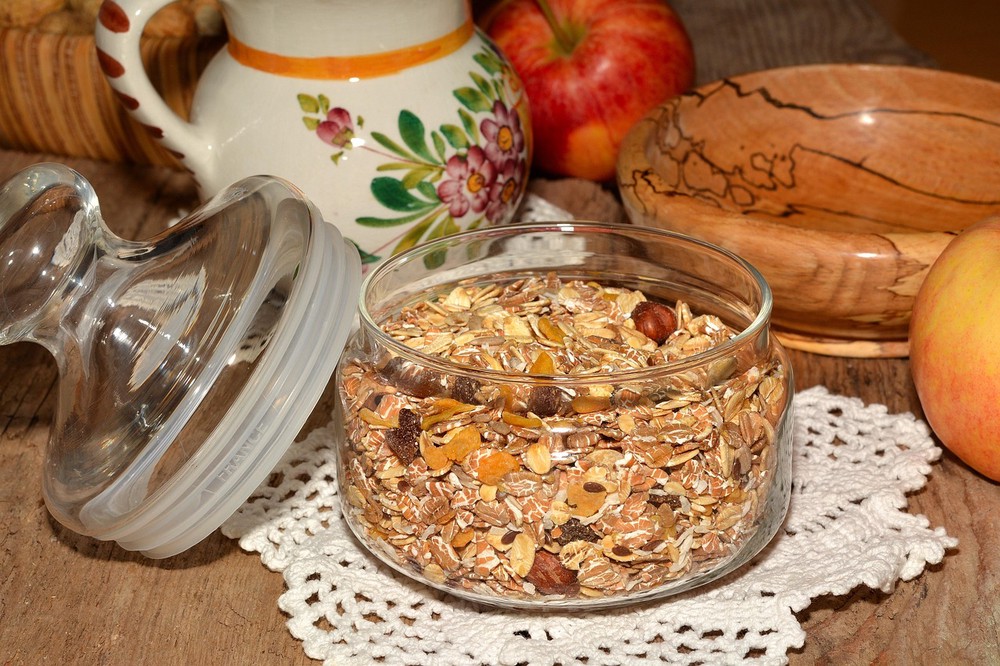
The swap dietitians recommend is straightforward: trade your usual refined-carb breakfast (think white toast, pastries, sweetened oatmeal packets, or most cold cereals) for a bowl of traditional, minimally processed oatmeal made from whole oat groats or steel-cut oats. Alternatively, you can substitute any refined breakfast grain with a serving of whole oats, quinoa, or buckwheat topped with nuts, seeds, and berries.
Registered dietitians emphasize that the key is not just eating oatmeal, but replacing a refined carbohydrate source. If you already eat a balanced breakfast, adding oats on top of your usual routine won't necessarily lower cholesterol—you need to cut the refined grains out.
Why Oatmeal Works for Cholesterol
The cholesterol-lowering power of oats comes down to one compound: beta-glucan. This type of soluble fiber forms a gel-like substance in your digestive tract, which binds to cholesterol-rich bile acids and helps excrete them from your body. Your liver then has to pull more cholesterol from your blood to make new bile acids, effectively lowering circulating LDL levels.
According to a 2021 meta-analysis in the Journal of Nutrition, consuming about 3 grams of beta-glucan daily (roughly one bowl of oatmeal) can reduce LDL cholesterol by 5 to 10 percent. That might not sound massive, but even a 5 percent reduction is linked to a significant drop in heart disease risk over time.
Other Heart-Healthy Benefits of Whole Oats
- Rich in soluble fiber – helps slow digestion and stabilize blood sugar, which indirectly supports lipid management.
- Contains avenanthramides – unique antioxidants that may reduce inflammation and prevent LDL particles from oxidizing (a key step in artery plaque formation).
- Naturally low in sodium and added sugar – unlike many boxed cereals or flavored instant oats, plain oats let you control what goes in.
How to Build a Cholesterol-Lowering Breakfast Bowl
Simply eating a bowl of plain oats is fine, but you can amplify the benefits with strategic toppings. Dietitians suggest aiming for a combination of fiber, healthy unsaturated fats, and a small amount of protein.
- Base: ½ cup dry steel-cut or rolled oats cooked in water or unsweetened plant milk (about 3 grams beta-glucan).
- Fat source: 1 to 2 tablespoons of ground flaxseed or chia seeds (adds more soluble fiber and omega-3s).
- Protein: A dollop of Greek yogurt or a spoonful of nut butter (helps keep you full and may blunt glucose spikes).
- Color and flavor: A handful of frozen or fresh berries (provides polyphenols that support vascular health).
Skip the brown sugar or maple syrup—if you need sweetness, mash half a banana into the oats while they cook or use a few chopped dates.
Real-World Tips for Making the Swap Stick
“The biggest barrier people report is time. Steel-cut oats take 20 to 30 minutes, but you can batch-cook a big pot on Sunday and reheat individual portions all week. Instant oats are convenient but often stripped of fiber—look for ‘whole rolled oats’ instead of ‘quick oats’ if you’re short on time.” — From a registered dietitian’s practical advice.
If you genuinely dislike oatmeal, don’t force it. The principle of the swap—replacing refined grains with a whole, high-fiber alternative—can be applied to other foods. Try cooked quinoa with cinnamon and pecans, a bowl of buckwheat porridge, or even two slices of 100 percent whole-grain rye toast topped with avocado and pumpkin seeds. The fiber and nutrient profile is what matters most.
One more note: people with very high cholesterol or existing heart disease should view this swap as one part of a broader treatment plan that includes regular exercise, weight management, and—if prescribed—medication. Dietary changes alone often aren’t enough for those with genetic lipid disorders.
What to Expect When You Make the Switch
If you currently eat a breakfast of sugary cereal or white bread, switching to whole oats might cause temporary bloating or gas as your gut microbiome adjusts to the extra fiber. This typically resolves within a week or two. To minimize discomfort, increase your fiber intake gradually and drink plenty of water throughout the day.
After about four to six weeks of consistent daily oatmeal (or equivalent whole grain), you may see a modest drop in your LDL cholesterol—usually in the range of 5 to 15 points, depending on your starting level and the rest of your diet. Many people also notice more stable energy levels and fewer mid-morning cravings.
Final Take
This breakfast swap is not a quick fix, but it is one of the simplest evidence-based changes you can make for your cholesterol. The key is consistency: replacing a refined grain with a fiber-rich whole grain most mornings, not just once a week. Pair it with other heart-healthy habits, and you’ve got a solid start toward better numbers—and a more satisfying breakfast.