
You settle in for a quick afternoon nap, hoping to recharge and face the rest of your day with renewed energy. Instead, you wake up feeling worse—foggy, disoriented, and more tired than when you started. This experience, often called sleep inertia or nap hangover, is frustratingly common. It’s not that napping itself is bad; it’s that the timing, duration, and context of your nap can turn a potential reset into a setback.
That groggy feeling is your brain caught between sleep stages. Understanding what triggers it is the first step toward crafting a nap that truly refreshes, rather than one that leaves you stumbling through the rest of your afternoon.
What happens in your brain during a nap?
Sleep isn't a uniform state. We cycle through different stages, each with distinct brainwave patterns and purposes. A typical sleep cycle begins with light sleep (Stages 1 and 2), moves into deep, slow-wave sleep (Stage 3), and then into REM (rapid eye movement) sleep, which is associated with dreaming.
The key player in nap grogginess is deep sleep. Waking up during this stage is like pulling your computer out of a system update before it's finished—everything runs slowly and glitchily. Your body is in a state of low blood pressure and reduced cerebral blood flow, and your brain is busy with restorative processes. An abrupt awakening from this deep stage results in that heavy, disoriented feeling of sleep inertia, which can take 30 minutes or more to fully dissipate.
Why your nap might leave you groggy
Several factors can push your nap into that problematic deep-sleep territory or otherwise disrupt your wake-up process.
Napping for too long
This is the most common culprit. The 20- to 30-minute nap is often called the “power nap” for good reason. It’s designed to keep you in the lighter stages of sleep (Stages 1 and 2), which can improve alertness and mood without the risk of deep sleep. When you nap for longer than 30 minutes, you increase the likelihood of descending into Stage 3 deep sleep. Waking from that depth is a recipe for grogginess.
Aim to keep your nap under 30 minutes to avoid the deep-sleep trap.
Napping too late in the day
An afternoon nap at 3 p.m. feels very different from one at 7 p.m. Napping too close to your regular bedtime can interfere with your nighttime sleep drive, making it harder to fall asleep later. It can also confuse your internal clock. Furthermore, if you're already significantly sleep-deprived, your body may plunge into deep sleep more quickly during a late nap, heightening the groggy effect upon waking.
Your sleep environment isn't right
Napping in a bright, noisy, or uncomfortable space can prevent you from falling asleep quickly and peacefully. More subtly, it can also cause fragmented sleep—you might drift in and out without reaching the restorative light stages. This fragmented, low-quality sleep can leave you feeling unrefreshed and irritable, a different flavor of nap disappointment.
Underlying sleep debt or schedule issues
If you are chronically sleep-deprived, your body will use any sleep opportunity to try to recover, often rushing into deep sleep. A nap then becomes a mini version of your problematic night sleep. Similarly, irregular sleep schedules or conditions like sleep apnea can degrade sleep quality overall, meaning even your naps are less efficient and more likely to end in grogginess.
How to take a nap that actually refreshes
The goal isn't to avoid napping, but to refine it. With a few adjustments, you can make naps a reliable tool for your well-being.
Time it right. The ideal nap window for most people is early to mid-afternoon, typically between 1 p.m. and 3 p.m. This aligns with a natural post-lunch dip in alertness (the circadian nadir) and is far enough from bedtime to protect your night sleep.
Set a short alarm. Commit to the 20-30 minute limit. Use a timer, not your internal sense of time. If you worry about not falling asleep quickly, remember that even quiet rest with your eyes closed can be restorative.
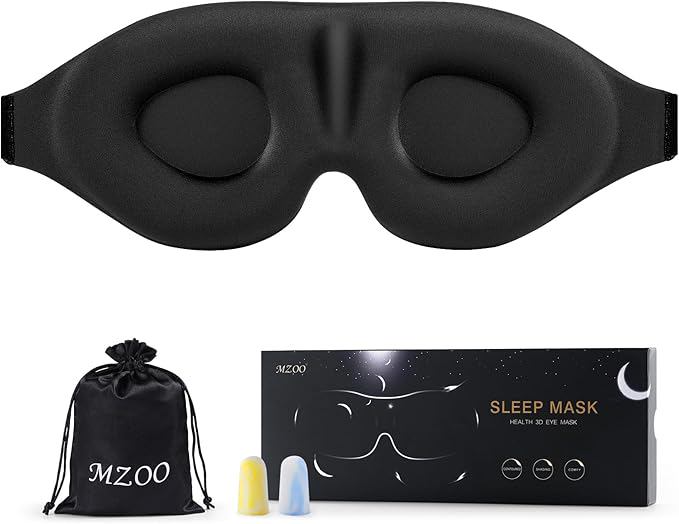
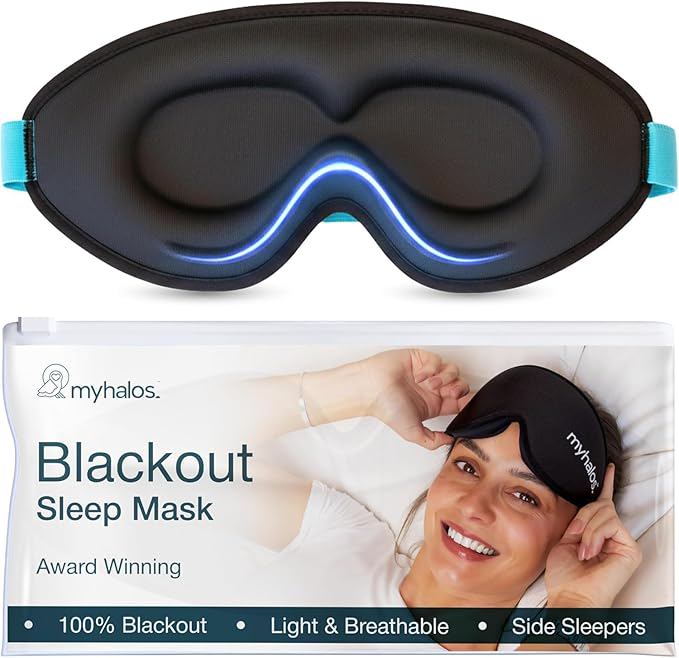
Optimize your space. Make it conducive to quick, quality sleep. Dim the lights, reduce noise (consider gentle white noise or earplugs), and ensure you’re at a comfortable temperature. A sleep mask can be a simple, effective tool to block out light.
Have a wake-up ritual. Give yourself a few minutes to transition. Don't jump straight into a demanding task. Splash some water on your face, step into natural light if possible, or drink a glass of water. Light exposure, in particular, helps signal to your brain that it’s time to be alert.
- Drink a small cup of coffee right before your nap (the caffeine will kick in just as you wake up).
- Try a “nappuccino” or “caffeine nap” by combining caffeine with a short nap for enhanced alertness.
When to reconsider napping altogether
While most groggy naps are a matter of technique, sometimes they’re a signal. If you consistently feel terrible after short, well-timed naps, or if you find you need a nap daily just to function, it’s worth looking at the bigger picture of your nighttime sleep. Chronic, unrefreshing naps paired with daytime fatigue could point to insufficient sleep duration, poor sleep quality, or an underlying sleep disorder. In such cases, focusing on improving your foundational nighttime sleep is the more strategic priority.
Napping is a skill. A groggy awakening is simply feedback, not failure. By paying attention to the length, timing, and setting of your rest, you can learn to harness the true restorative power of a short break, turning a potential source of fog into a reliable fountain of clarity.