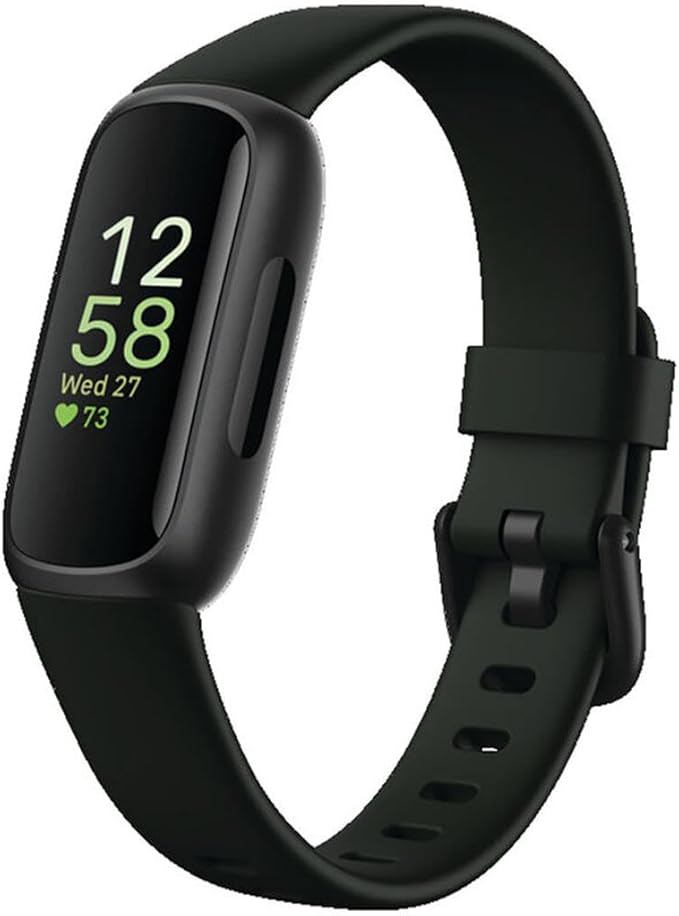

You've been diligent about your sleep hygiene. You dim the lights an hour before bed, keep your room cool, and even invested in a sleep tracker that gives you a nightly report card. Yet, morning after morning, you wake up feeling groggy. Your deep sleep numbers are low, your heart rate variability is off, and your sleep score is stuck in a mediocre range.
If this sounds familiar, it might be time to stop looking at your bedtime routine and start looking at your afternoon snack. After analyzing thousands of nights of sleep data, researchers and sleep specialists have pinpointed one dietary culprit that consistently shows up in the sleep logs of poor sleepers: added sugar, especially from sources you consume more than six hours before bed.
How a high-sugar afternoon derails your deep sleep
Your sleep tracker doesn't lie. When you eat a high-sugar meal or snack—think a pastry at 3 p.m., a candy bar, or that "healthy" granola bar coated in chocolate—your body responds with a rapid spike in blood glucose. Your pancreas releases insulin to shuttle that sugar into your cells. For some people, this surge is followed by a reactive hypoglycemia (a blood sugar crash) a few hours later.
Here's where the sleep tracker picks up the pattern. That crash triggers the release of counter-regulatory hormones like cortisol and adrenaline. These are stress hormones designed to wake you up and stabilize your blood sugar. But they also happen to be the exact hormones that disrupt your entry into deep sleep and reduce the amount of time you spend in restorative slow-wave sleep.
Many sleep trackers measure heart rate and movement. A spike in heart rate variability (HRV) during the night, or an elevated resting heart rate, can actually reflect your body fighting that late-night glucose roller coaster.
What your sleep tracker data actually shows
If you pull up the past week of data from your tracker, look for these specific red flags that may be tied to daytime sugar intake:
- Delayed sleep onset: You lie in bed, but your tracker records a long "time to fall asleep" because your body is still metabolically active.
- Reduced deep sleep percentage: Your tracker shows only 10–15% of your night was in deep sleep (optimal is 20–25%), and you feel unfreshed.
- Frequent nighttime awakenings: Even brief awakenings you don't remember will show as fragmentation in your sleep chart, often correlated with blood sugar dips in the early morning hours.
- A high resting heart rate: A resting heart rate that is 5–10 beats higher than normal during sleep can indicate metabolic stress from sugar.
The one food that's most likely showing up in your data
While many foods contain sugar, the single most common source that sleep experts associate with disrupted rest is ultra-processed carbohydrates with added sugar consumed after 2 p.m. This includes foods like white-flour pastries, sugary coffee drinks (pumpkin spice lattes, frappuccinos), soda, sweetened yogurts, and many protein bars marketed as "healthy."
One 2020 study in the American Journal of Clinical Nutrition found that women whose diets had a higher glycemic load had a significantly harder time falling asleep and staying asleep. Meanwhile, another analysis of sleep-tracking data from over 100,000 participants found that added sugar intake was the single strongest dietary predictor of poor self-reported sleep quality.
Is the sugar in fruit also a problem?
This is an important distinction. The sugar in whole fruit (fructose) is packaged with fiber, water, and phytonutrients that slow down its absorption. A piece of fruit at 4 p.m. is unlikely to cause the same dramatic glucose spike that a can of soda or a cookie would. Your sleep tracker is probably not reacting to an apple or a handful of berries. The villain is added sugar in foods stripped of fiber and protein.
What to change tomorrow
If you want to test whether sugar is sabotaging your sleep score, try this simple experiment for three nights:
- Check your current dinner. Make sure your evening meal has at least 20–30 grams of protein, healthy fats (avocado, olive oil, nuts), and fiber (vegetables, legumes). This stabilizes blood sugar before bed.
- Move your sweet snack. If you crave dessert, eat it earlier in the day (before 1 p.m.) or enjoy a smaller portion right after a balanced lunch, not as a stand-alone snack.
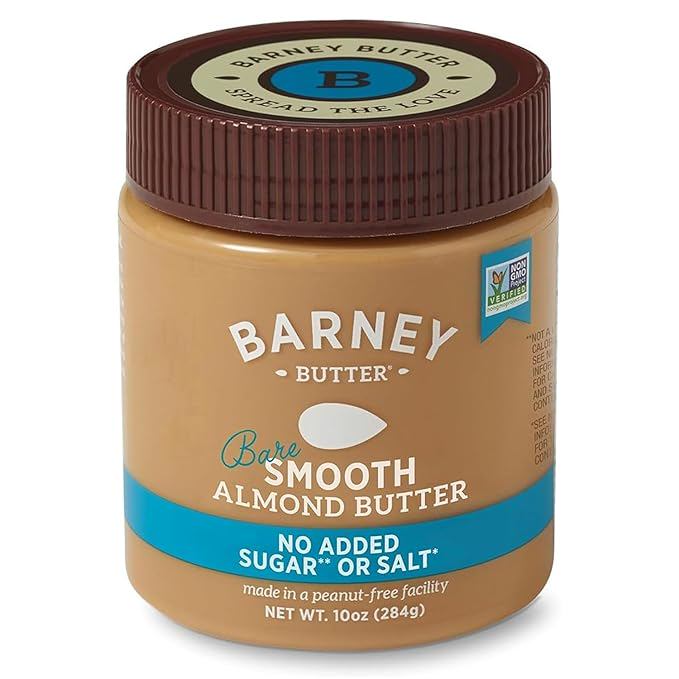
- Swap for a sleep-friendly crisp. If you need something crunchy at night, try celery with almond butter, a small handful of walnuts, or plain popcorn without added sugar seasoning.
- Compare your sleep tracker data. Note the change in deep sleep percentage, nighttime heart rate, and morning alertness on day one versus day four.
Not everyone reacts the same way
Some people can eat a piece of cake at 9 p.m. and sleep like a log. Others feel wired after a single soda at lunch. Genetics, gut microbiome composition, insulin sensitivity, and overall metabolic health all play a role. If your sleep tracker shows consistent problems and you eat a relatively low-sugar diet already, sugar may not be your primary issue—stress, alcohol, or sleep apnea could be responsible.
But if you're eating hidden sugars in sauces, salad dressings, flavored coffee creamers, and "healthy" snacks, you might be unknowingly paying for them with lost deep sleep. Use your sleep tracker as the objective detective it is. The data doesn't lie—and neither does that mid-afternoon energy crash.