
You've tried the blackout curtains, the white noise machine, and the thermostat tweaks. But your bedroom still feels like a warm, restless cave at night. Before you invest in a new mattress or a fancy fan, consider this: what you eat throughout the day, and especially in the hours before bed, can directly influence your core body temperature and your ability to drop into deep sleep.
Your body has a built-in cooling system. As you drift off, your core temperature naturally dips by about one to two degrees Fahrenheit. This drop signals your brain that it's time to sleep and helps you stay in the restorative stages of the night. If your internal thermostat is stuck too high—because of certain foods, stress, or poor hydration—you'll struggle to get comfortable and stay asleep. The right foods, on the other hand, can help your body cool down more efficiently, making that perfect 65-68°F bedroom actually feel like the sanctuary you designed it to be.
How Your Evening Meal Affects Your Core Temperature
Digestion isn't just a belly event; it's a whole-body metabolic process. When you eat a heavy, high-protein, or spicy meal, your body generates heat as it breaks down the food. This is called diet-induced thermogenesis, and it can raise your core temperature for several hours. A heavy steak dinner at 8 PM might keep your internal fire burning well past midnight.
Instead, think about foods that are light and cooling. The goal is to support your body's natural temperature drop without forcing your digestive system to work overtime. Meals that are high in water content, rich in specific minerals like magnesium, and low in complex fats are generally the most sleep-friendly options.
Foods That Naturally Help You Cool Down
Magnesium-Rich Greens and Seeds
Magnesium is a mineral that helps regulate your nervous system and muscle function. It also plays a role in body temperature regulation by supporting healthy blood vessel dilation. When your blood vessels widen, heat can dissipate more easily. Good sources include leafy greens like spinach and Swiss chard, pumpkin seeds, almonds, and black beans. A small handful of pumpkin seeds about an hour before bed might help your body transition to a cooler, more relaxed state.
High-Water-Content Fruits and Vegetables
Hydration is cooling. If you're even slightly dehydrated, your body holds onto heat. Water-rich foods help you stay hydrated without overloading your bladder right before bed. Think of a small bowl of watermelon, cucumber slices with a pinch of salt, or a few stalks of celery. These foods provide fluid and a minor, steady energy release without a significant metabolic heat spike.
A simple trick: sip a glass of cool water with a slice of cucumber or mint during the hour before bed. It aids hydration and the mild flavors can be calming.
Tryptophan and Light Protein Sources
Tryptophan is an amino acid that your body converts into serotonin and then melatonin. While turkey is famous for it, other light sources like cottage cheese, a small portion of chicken breast, or a handful of walnuts can provide the precursor without the heavy digestive load. The key is portion size—about the size of your palm, not a plateful. A small, protein-rich snack can stabilize blood sugar overnight, which also helps with temperature regulation.
What to Avoid for a Cooler Night
Just as important as what to eat is what to skip. Spicy foods (think chili, hot sauce, curry) can activate TRPV1 receptors, which trick your body into thinking it needs to sweat—a process that actually raises your core temperature before it cools you down. Spicy meals eaten within three hours of bed often delay that initial temperature dip.
Caffeine and alcohol also disrupt your thermal regulation. Caffeine is a vasoconstrictor, meaning it narrows blood vessels and can make you feel warmer. Alcohol, while it might make you feel drowsy, interferes with your body's ability to maintain a low core temperature during the second half of the night, often leading to night sweats or restless waking.
Practical Meal Timing and Ideas
Timing matters. Aim to finish your last real meal at least three hours before bedtime. This gives your body time to complete the heat-generating phase of digestion before you try to sleep. If you need a snack closer to bed, stick to the water-rich or light protein options above.
- Cooling evening snack: A small bowl of cherries (natural melatonin) with a few almonds.
- Light dinner idea: Grilled fish with a side of steamed zucchini and a small spinach salad with pumpkin seeds.
- Bedtime drink: A warm (not hot) cup of chamomile or peppermint tea—both are naturally caffeine-free and have mild cooling properties.
How Hydration and Electrolytes Play a Role
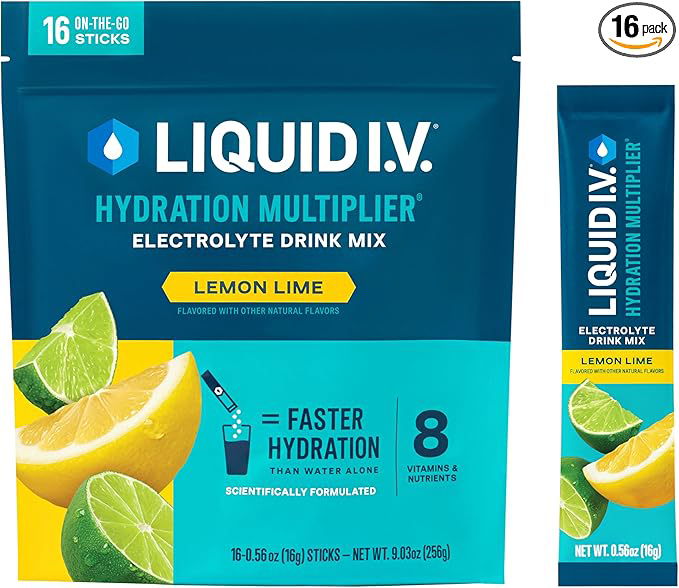
Water alone is great, but electrolytes like potassium and sodium help your cells absorb and use that water for temperature control. Low potassium can make you feel overheated. Avocado, sweet potato, and bananas are good sources. A slice of avocado on a small whole-grain cracker an hour before bed can help maintain fluid balance without the sugar spike of a banana.
Remember, your bedroom environment and what you eat work together. If you've already dialed in your thermostat and bedding, adding these cooling foods can give you that extra edge toward a truly restful night. The goal isn't a radical diet change—it's a few thoughtful swaps and a little timing adjustment.
Start small: swap your evening soda for a sparkling water with a splash of lime, or trade your late-night cheese plate for a tiny bowl of cucumber slices. Your body will respond by dropping its temperature more smoothly, letting you fall asleep faster and stay asleep longer.