When your blood sugar levels climb higher than you'd like, the impulse to do something about it — and fast — is completely understandable. But while a glass of fruit juice might sound refreshing, it's rarely the right call in that moment. What you choose to put in your glass can either help stabilize things or send your glucose on an even bumpier ride.
We asked registered dietitians who specialize in diabetes management for their top picks when blood sugar is already elevated. These three drinks aren't about lowering numbers on their own — no beverage is a substitute for insulin or medication — but they can support your body's natural regulation process without making matters worse. Here's what the experts reach for first.
1. Water: the simplest intervention you're probably skipping
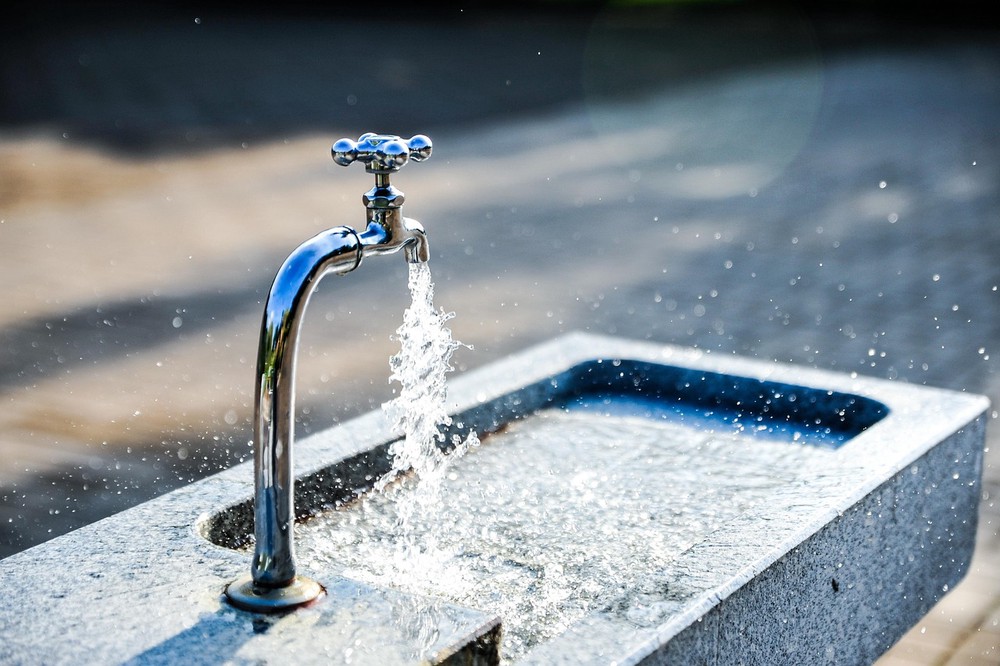
Plain water is boring in the best possible way. When blood sugar climbs, the kidneys try to flush out excess glucose through urine — but that only works if you're adequately hydrated. Even mild dehydration can concentrate glucose in the bloodstream, making already elevated numbers look even higher.
Dietitian Kate O'Hara, who works with type 2 diabetes patients in a primary care setting, says water is her go-to recommendation because it has zero variables. “No calories, no carbs, no hidden sugars — it's the safest bet. I tell patients to keep a water bottle nearby and sip throughout the day, especially after meals,” she explains. The goal isn't to chug a gallon all at once; consistent small sips support steady kidney function and can help lower blood sugar modestly over a few hours. Sparkling water with a squeeze of lemon or lime counts too — just avoid any flavored seltzers that list sugar or fruit concentrate on the label.
“Aiming for half your body weight in ounces per day is a reasonable starting point, but if you're in a heat wave or exercising, you'll need more. A dehydrated body cannot handle a glucose spike as efficiently.” – Kate O'Hara, RD
2. Unsweetened green tea: antioxidants that may help insulin work better
A growing body of research points to green tea as a smart choice for blood sugar management. The key compounds here are catechins — specifically epigallocatechin gallate (EGCG) — which have been shown in studies to improve insulin sensitivity and reduce glucose absorption from the intestines. A 2019 meta-analysis in the American Journal of Clinical Nutrition found that green tea drinkers had lower fasting blood glucose and HbA1c levels compared to non-drinkers.
Dietitian Marcus Lee, who counsels patients with prediabetes and type 1 diabetes, recommends brewing your own rather than grabbing a bottled tea from the store. “Commercial iced tea drinks are often loaded with high-fructose corn syrup or honey,” he notes. “A tall, unsweetened iced green tea on a warm afternoon gives you antioxidants without any sugar spike of its own.” If black tea is more your speed, that works too — just skip the sugar and heavy creamers. A splash of unsweetened almond milk or a dash of cinnamon (which some small studies suggest may have a mild glucose-lowering effect) can add flavor without risk.
3. A small glass of tart cherry juice — but only if it's unsweetened
This one comes with a strong caution: most commercial cherry juice is packed with added sugar. But dietitian Laura Chen, who specializes in gestational diabetes, says pure, unsweetened tart cherry juice has a different profile. Tart cherries are rich in anthocyanins — antioxidants that may reduce inflammation and improve glucose uptake in cells. A 2020 pilot study in the Journal of Medicinal Food found that drinking 8 ounces of tart cherry juice daily for six weeks lowered HbA1c and blood pressure in older adults with prediabetes.
Chen stresses that this is not a free pass. “Stick to a 4-ounce serving — that's about half a cup. Any more and the natural fruit sugars can counter the benefits,” she says. “And you absolutely have to read the ingredients list. If it says 'cherry juice' plus 'apple juice' or 'pear juice' or 'cane sugar,' it's not the same thing.” The same principle applies to pure pomegranate juice, which also has research behind it but must be unsweetened and limited to a small serving.
What about electrolyte drinks or coconut water?
Electrolyte sports drinks are largely unnecessary for everyday blood sugar spikes unless you've been vomiting, had diarrhea, or exercised heavily in extreme heat. Most contain added sugars — some as much as a can of soda. If you do need electrolytes, look for a sugar-free powder or tablet that lists potassium, magnesium, and sodium without dextrose or maltitol. Coconut water, while natural, still contains about 6 grams of sugar per 100 milliliters — enough to worsen a spike if you drink a full cup. Save it for post-workout recovery, not glucose management.
A quick note on timing and realistic expectations
Drinking water, green tea, or tart cherry juice will not magically drop a dangerously high blood sugar number within minutes. If your blood sugar is above 250 mg/dL and you have type 1 diabetes, check for ketones — if they're present, you need medical attention, not a beverage. For levels between 180 and 250, these drinks can support your body's natural regulation over the span of one to three hours, but they are never a substitute for medication adjustments prescribed by your care team.
Dietitian O'Hara sums it up simply: “Hydrate first, then evaluate. If you're thirsty, your blood sugar is probably dehydrated too. Water is always the starting point. From there, an unsweetened tea or a small tart cherry juice can be nice add-ons — as long as you know exactly what's in your glass.”