When anxiety spikes and feels impossible to calm, reaching for something to drink might seem like a small gesture — but it can make a real difference. While no beverage replaces professional care, two expert-backed options stand out for their ability to help settle a racing mind without relying on alcohol or excessive caffeine.
We asked mental health and nutrition specialists what they recommend when anxiety feels overwhelming. Their answers are simple, accessible, and grounded in how certain compounds interact with your nervous system.
Why what you drink matters during high anxiety
The relationship between hydration, certain nutrients, and the nervous system is well documented. Dehydration alone can worsen anxiety symptoms, making you feel more irritable, lightheaded, or on edge. Meanwhile, some beverages contain compounds that either stimulate or calm the brain. Knowing which to choose — and which to avoid — can help you regain a small sense of control when your internal world feels chaotic.
Alcohol, for instance, may temporarily dull anxious feelings but often causes a rebound effect as it metabolizes, leading to heightened anxiety hours later. High-caffeine drinks can trigger or worsen jitters and rapid heart rate. The two options below are widely recommended by clinicians for their safety profile and calming properties.
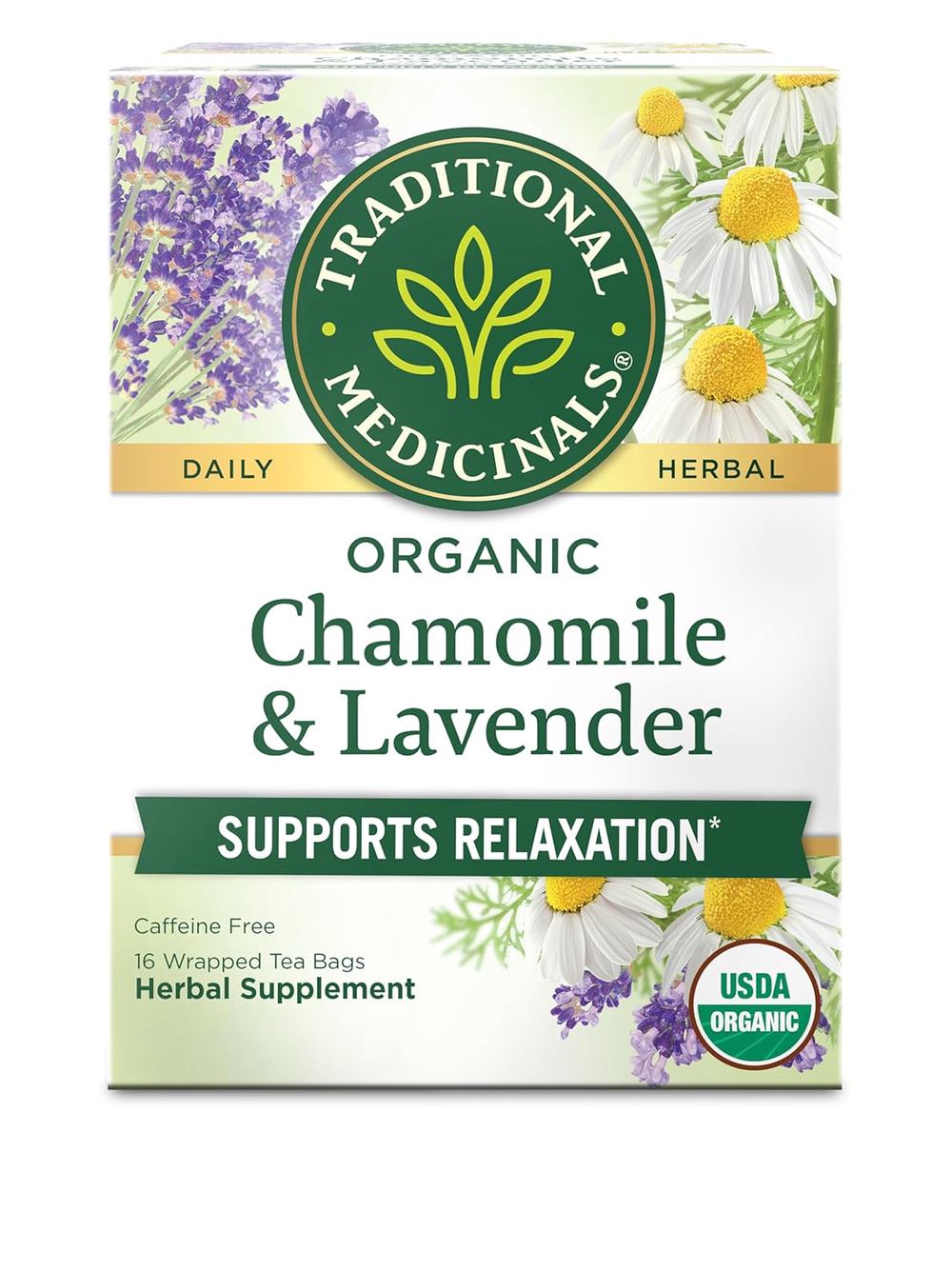
Option 1: Chamomile tea
Chamomile tea is among the most studied herbal teas for anxiety relief. It contains apigenin, an antioxidant that binds to certain receptors in the brain associated with sedation and reduced anxiety. Unlike prescription options, chamomile is gentle and unlikely to cause significant drowsiness unless consumed in very large amounts.
“Chamomile tea is one of the first things I suggest for someone who needs to lower their anxiety level quickly but safely. It’s not a cure, but it’s a calming ritual that also hydrates the body.” — Dr. Rachel Nazarian, integrative medicine specialist
For best results, steep a high-quality chamomile tea bag in hot water for 5 to 10 minutes, then sip slowly. This mindful approach — taking a few minutes to sit, breathe, and sip — can be as helpful as the tea itself.
Option 2: Tart cherry juice
Tart cherry juice is naturally rich in melatonin and tryptophan, both of which support sleep regulation and mood. But its anxiety-calming effects may come from its high levels of antioxidants called anthocyanins, which reduce inflammation and oxidative stress — two factors linked to heightened anxiety.
Unsweetened tart cherry juice is best. You can drink a small glass (about 4 to 6 ounces) in the evening or when you feel anxiety ramping up. Its natural tartness can be an acquired taste, but many people find it soothing when served cold or over ice.
“Tart cherry juice is one of my top recommendations for patients who struggle with nighttime anxiety or trouble winding down. It supports natural melatonin production without the grogginess of sleep aids.” — Dr. Michael Breus, sleep specialist
What to avoid when anxiety is high
Just as important as what you drink is what you skip. Caffeinated beverages — coffee, black tea, energy drinks, and even some sodas — can amplify physical symptoms of anxiety like rapid heartbeat and restlessness. Alcohol may seem like a temporary relief but often makes anxiety worse once its effects wear off. Sugary drinks can cause blood sugar spikes and crashes, which can mimic or worsen anxious feelings.
When to seek additional help
While chamomile tea and tart cherry juice can be helpful tools, they aren't substitutes for professional support. If your anxiety is frequent, interferes with daily life, or includes physical symptoms like chest tightness or panic attacks, please speak with a healthcare provider, therapist, or psychiatrist. Treating anxiety often requires a combination of lifestyle changes, therapy, and sometimes medication.
In the moment, though, a warm cup of chamomile or a glass of tart cherry juice can be a small but meaningful step toward calming your nervous system — and that’s a win worth sipping.