
When a trauma trigger appears, your body can react as if the original event is happening again. Your heart may race, your breathing may become shallow, and you might feel an urgent need to escape. While finding a safe space and grounding yourself are the first priorities, what you drink in those moments—and afterward—can help your nervous system shift out of fight-or-flight mode and back toward a calmer state.
No single beverage is a cure for trauma responses, but certain drinks have ingredients that support the parasympathetic nervous system (the "rest and digest" branch). These drinks can be a gentle addition to your coping toolkit, offering your body the sensory and chemical signals it needs to down-regulate.
Why your drink choice matters after a trigger
Your brain and gut are intimately connected through the vagus nerve. When you're triggered, digestion slows, blood flow diverts to your muscles, and your body releases cortisol and adrenaline. The right drink can do a few helpful things: it can provide a grounding sensory ritual (feeling the warmth of a mug, smelling herbs), deliver nutrients that support neurotransmitter production, and signal safety to your brain because you are pausing to drink something soothing.
Think of your drink as a small act of self-care, not a solution in itself. The ritual of preparing it can be as important as what is in the cup.
Warm herbal teas that support calm
Herbal teas are a go-to for nervous system support because they are naturally caffeine-free and contain compounds that promote relaxation.
Chamomile
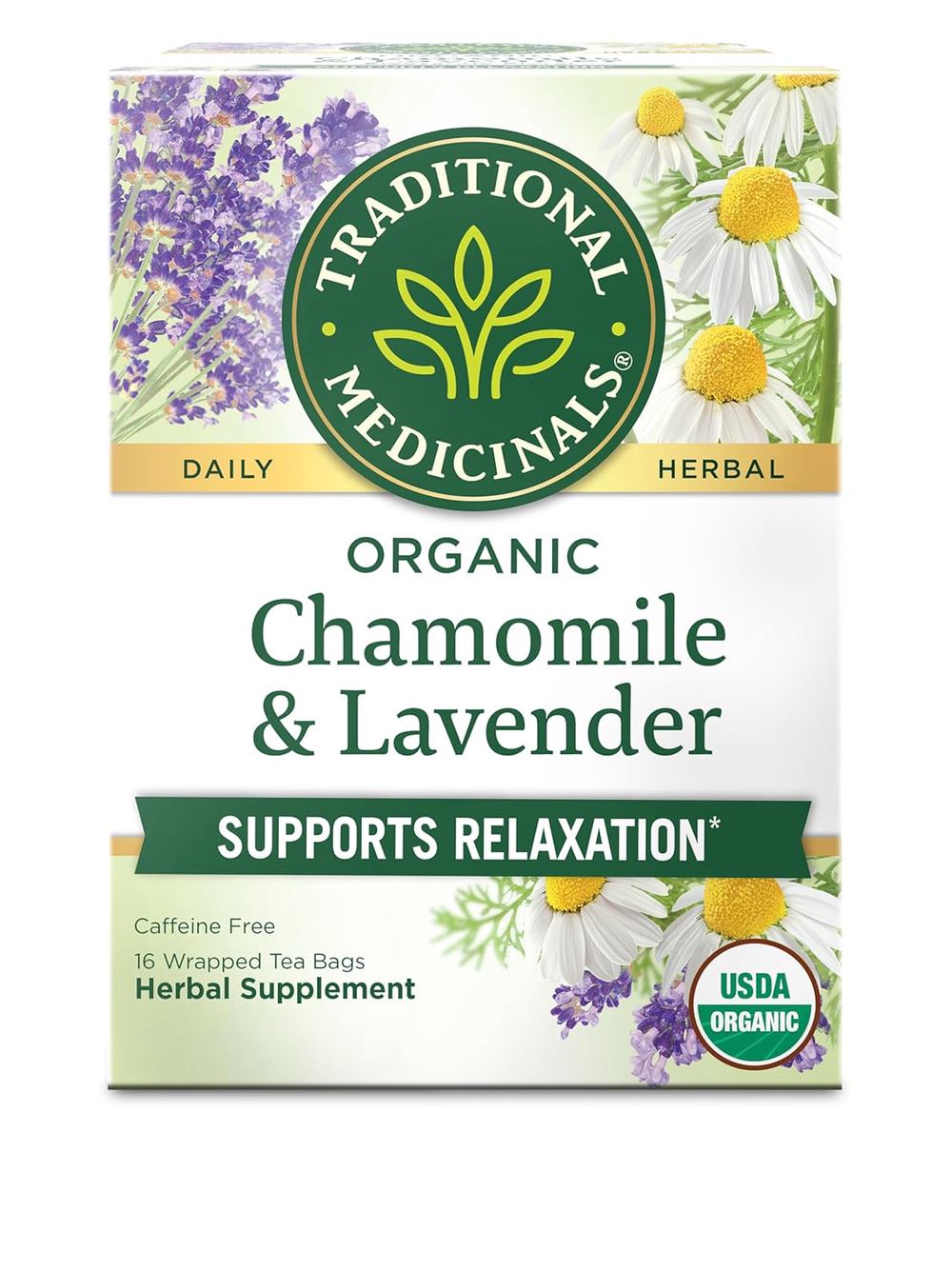
Chamomile is perhaps the best-known calming tea. It contains apigenin, an antioxidant that binds to certain receptors in your brain, promoting sleepiness and reducing anxiety. A warm cup of chamomile tea after a trigger can help your body begin to settle.
Lavender
Lavender is often used in aromatherapy for relaxation, and it works similarly when consumed as a tea. It has a gentle, floral flavor and can help lower heart rate and blood pressure. Look for culinary-grade lavender or a blended tea.
Lemon balm
Lemon balm is a member of the mint family with a mild, lemony taste. Studies suggest it can improve mood and reduce stress and anxiety. It is particularly helpful for easing the restlessness that often comes with being triggered.
Passionflower
Passionflower tea is known for increasing levels of gamma-aminobutyric acid (GABA) in the brain, which helps calm neural activity. It can be especially useful if your triggers lead to racing thoughts or panic.
Warm milk or golden milk
A warm glass of milk (or a plant-based alternative) before bed is a classic comfort for a reason. Milk contains tryptophan, an amino acid that is a precursor to serotonin and melatonin. The warmth alone can be soothing, but you can level it up by making a golden milk latte.
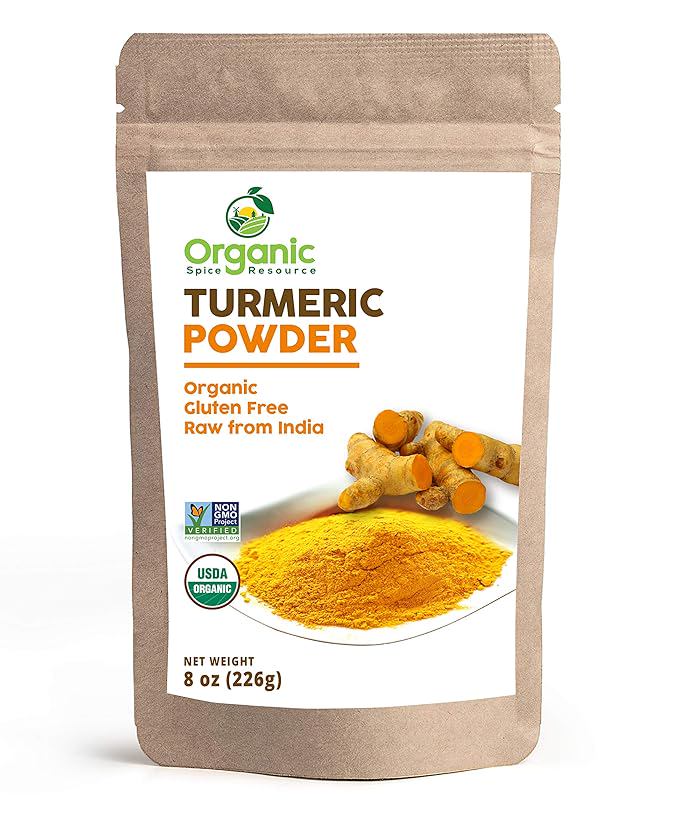
Golden milk is traditionally made with turmeric, ginger, cinnamon, and a pinch of black pepper (which helps your body absorb the curcumin in turmeric). Turmeric has powerful anti-inflammatory properties, and chronic inflammation can keep your nervous system on high alert. A warm, spiced drink can be a grounding ritual that signals safety to your body.
Warm water with lemon or honey
Don't overlook plain warm water. Drinking something warm can help relax the throat and chest muscles, which often tighten during a trauma response. Adding a squeeze of lemon provides vitamin C, which supports adrenal function, and a teaspoon of raw honey can offer a quick source of energy and a Hint of natural sweetness. This is perhaps the simplest option when you need something but feel too unsettled to prepare a complex beverage.
What to avoid when you are triggered
Just as important as knowing what to drink is knowing what to avoid. Caffeine is one of the biggest culprits: it can heighten anxiety, increase heart rate, and make it harder for your body to calm down. Alcohol may seem relaxing in the moment, but it disrupts sleep quality and can actually increase anxiety as it wears off. Sugary energy drinks or sodas can cause blood sugar spikes and crashes, which can mimic or worsen anxiety symptoms. Stick to caffeine-free, low-sugar options when your nervous system is already activated.
How to use drinks as part of a grounding practice
To get the most out of these drinks, treat the preparation as a small mindfulness exercise. Instead of rushing, focus on each step: filling the kettle, choosing your mug, smelling the herbs, watching the steam rise. Hold the warm cup in your hands and bring your attention to its weight and temperature. Sip slowly, and notice the flavor. This full sensory experience can help anchor you in the present moment, which is exactly what your brain needs when a trauma trigger tries to pull you into the past.
When you feel a trigger coming, try this sequence: breathe deeply for a count of four, then prepare your drink while focusing on the sensations, then drink slowly in a safe, quiet space. The drink supports your body; the ritual supports your mind.
A note on professional support
While these drinks can be a helpful part of your coping strategy, they are not a replacement for professional mental health care. If you find that trauma triggers are significantly impacting your daily life, relationships, or ability to function, please reach out to a licensed therapist who specializes in trauma. Techniques like EMDR, somatic experiencing, and cognitive behavioral therapy (CBT) can help address the root causes of your triggers. A calming drink can be a bridge to calm while you do that deeper work, but it is not a substitute.