
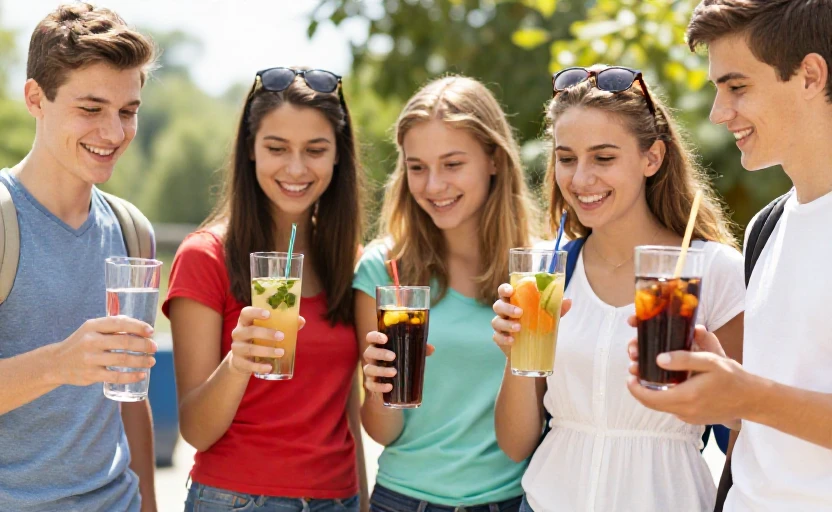
When we think about supporting a teenager's mental well-being, conversations often turn to sleep, screen time, or stress management. Yet, one of the most fundamental, and often overlooked, pillars of a stable mood and clear mind is what they're drinking throughout the day. Hydration isn't just about physical performance; it's directly linked to brain function, emotional regulation, and energy levels. The right choices can subtly support their mental landscape, while others might quietly undermine it.
This isn't about prescribing a strict regimen or causing worry over an occasional soda. It's about understanding how everyday beverages interact with a developing brain and nervous system. By making a few mindful swaps and recognizing which drinks to enjoy in moderation, you can help create a dietary foundation that supports resilience, focus, and a more balanced mood.
How does what you drink affect mental health?
Every sip sends signals to the brain. Beverages influence mental health through several key pathways: hydration status, blood sugar stability, and the presence of specific nutrients or compounds. Even mild dehydration can impair concentration, increase feelings of anxiety, and lead to fatigue and headaches—all of which can dampen a teen's day. Meanwhile, drinks high in refined sugars can cause rapid spikes and crashes in blood glucose, mimicking or exacerbating symptoms of irritability and low energy. Conversely, drinks that provide steady hydration, along with vitamins, minerals, and antioxidants, offer the brain the clean, stable environment it needs to function at its best.
The brain is about 75% water. Even slight dehydration can alter mood and cognitive performance.
Five hydrating options to support a teen's mind
Focusing on what to include is more empowering than just listing restrictions. These five options are excellent staples for a mental-health-supportive hydration plan.
1. Plain, still water
It seems almost too simple, but water is the gold standard. It hydrates without calories, additives, or surprises. For teens who find it boring, try infusing a pitcher with slices of cucumber, citrus, berries, or fresh mint. Using a reusable bottle they like can also make reaching for water a more appealing habit.
2. Sparkling water (unsweetened)
The fizz can satisfy the craving for a carbonated drink without the sugar, artificial sweeteners, or caffeine found in sodas. Look for plain or naturally flavored varieties with no added sugars or “natural flavors” that might hide sweeteners. It’s a fantastic alternative for meals or social situations where plain water feels too plain.
3. Herbal and caffeine-free teas
Warm or iced, herbal teas offer hydration along with calming properties. Chamomile is renowned for its gentle relaxing effects, peppermint can soothe an upset stomach often tied to anxiety, and rooibos is rich in antioxidants. Letting a teen choose their own flavors can make this a comforting, self-care ritual.
4. Milk and fortified plant-based alternatives
Dairy milk and fortified soy, almond, or oat milks provide a combination of protein, vitamin D, and B vitamins—all important for neurotransmitter function and energy. A glass with a meal can help stabilize blood sugar and provide lasting satiety, which supports a steadier mood.
5. Smoothies with leafy greens and protein
While technically a food, a well-made smoothie is a hydrating, nutrient-dense option. Blending spinach or kale with frozen fruit, a source of protein like Greek yogurt or nut butter, and water or milk creates a drink that delivers fiber, vitamins, minerals, and sustained energy—a far cry from a sugar-laden shake.
Three beverages to enjoy mindfully
These drinks aren't forbidden, but understanding their effects can help teens make informed choices about when and how much to consume.
1. Sugary sodas and energy drinks
These are the primary culprits for blood sugar rollercoasters. The massive influx of sugar leads to a surge of energy followed by a crash, often accompanied by irritability, brain fog, and fatigue. Energy drinks compound this with high doses of caffeine and other stimulants, which can significantly increase anxiety and disrupt sleep patterns.
2. Highly caffeinated beverages
Beyond energy drinks, this includes strong coffee drinks and some pre-workout supplements. While a moderate amount of caffeine might help with focus, excess intake—especially for a teen with a lower tolerance—can trigger jitteriness, nervousness, a rapid heart rate, and sleep interference, all detrimental to mental equilibrium.
3. Artificially sweetened diet drinks
The long-term impact of artificial sweeteners on mood and gut health is an area of ongoing research. For some sensitive individuals, they may be linked to headaches or disrupted gut bacteria, which is increasingly connected to mental health via the gut-brain axis. It’s often wiser to choose naturally unsweetened options most of the time.
Mindful consumption means understanding the 'why' behind a limit, not just following a rule.
Building healthier habits together
Shifting habits is more successful with support, not control. Stock the fridge with appealing alternatives like infused water pitchers, flavored seltzers, and herbal teas. Model the behavior yourself by choosing these drinks regularly. Talk openly about how different drinks make you feel—not in a lecturing way, but by sharing observations. “I notice I feel really sluggish after a sugary drink at lunch,” opens a dialogue better than “Soda is bad for you.” The goal is to equip them with the awareness to make choices that help them feel their best, both mentally and physically, now and in the long run.