
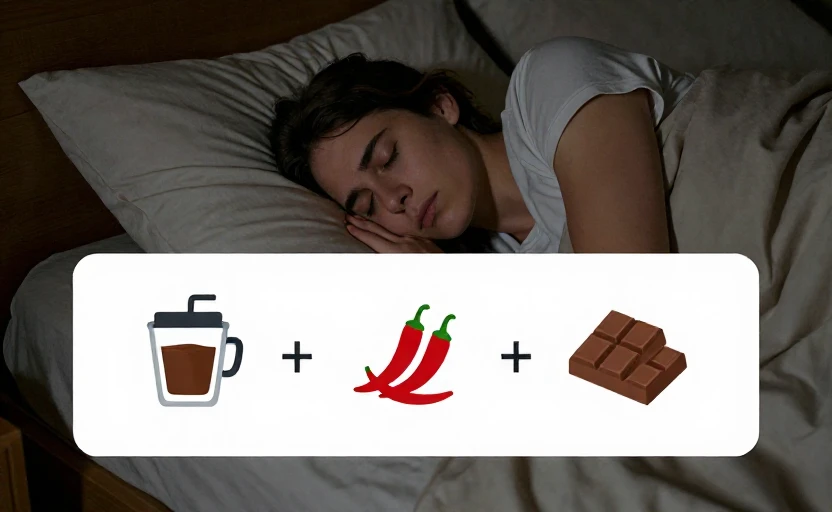
You’ve dimmed the lights, put your phone away, and settled into a comfortable position. Yet, sleep remains elusive. While stress and screen time often take the blame, what you ate in the hours before bed can be a silent saboteur of your rest. The right evening snack can be soothing, but the wrong choice can trigger a cascade of physiological reactions that keep you tossing, turning, or waking up groggy.
It’s not about strict rules or going to bed hungry. It’s about understanding how different foods interact with your body’s sleep-wake cycle, digestion, and hormones. By making a few mindful adjustments to your evening eating habits, you can create internal conditions that are far more conducive to drifting off peacefully and staying asleep.
Why Timing and Choice Matter for Sleep
Sleep is an active state of restoration, not a passive shutdown. For it to begin, your body needs to shift into a parasympathetic, or “rest and digest,” state. Eating a large or problematic meal too close to bedtime forces your digestive system to work overtime when it should be winding down. This can cause physical discomfort, elevate your core body temperature (which needs to drop slightly for sleep), and divert energy from the processes of cellular repair and memory consolidation that happen overnight.
Furthermore, certain foods and beverages contain compounds that directly stimulate your nervous system or disrupt the delicate balance of sleep-regulating hormones like melatonin and serotonin. The goal of evening eating is to support, not fight, these natural biological transitions.
Foods and Drinks That Can Disrupt Your Night
Being aware of common culprits can help you make more supportive choices. It’s often a combination of factors—like acidity, fat content, caffeine, or sugar—that creates the problem.
Heavy, Rich, and Fatty Meals
A large steak, creamy pasta, or fried foods demand significant digestive effort. High-fat meals take longer to empty from the stomach, which can lead to indigestion or acid reflux when you lie down. This discomfort is a direct barrier to falling asleep and can cause middle-of-the-night awakenings.
Give your body at least 2–3 hours to digest a substantial meal before you try to sleep.
Caffeine’s Long Shadow
This one seems obvious, but caffeine’s effects are often underestimated. It’s not just in coffee. Caffeine is present in tea (black and green), cola, many energy drinks, and even dark chocolate. Caffeine blocks adenosine, a neurotransmitter that builds up in your brain throughout the day to promote sleepiness. Its stimulating effects can last for six hours or more in some individuals. If you’re sensitive, that afternoon latte could still be influencing your 10 p.m. bedtime.
Hidden Sugar and Refined Carbs
That bowl of sugary cereal, cookie, or even a white-bread sandwich can cause a rapid spike in blood sugar, followed by a crash. This rollercoaster can trigger the release of stress hormones like cortisol and adrenaline, which are activating, not calming. The subsequent blood sugar dip might also wake you up later in the night.
Alcohol’s Deceptive Seduction
While a nightcap might make you feel drowsy initially, alcohol is a notorious sleep disruptor. It suppresses REM sleep—the crucial, restorative stage associated with dreaming and memory processing. As alcohol is metabolized later in the night, it can lead to fragmented sleep, more frequent awakenings, and next-day fatigue.
Spicy and Acidic Foods
Spicy dishes containing capsaicin can cause heartburn and raise your body temperature. Similarly, highly acidic foods like tomatoes, citrus, or vinegar-based dressings can trigger acid reflux, especially when lying flat. The resulting discomfort is a direct enemy of uninterrupted sleep.
What Does a Sleep-Supportive Evening Look Like?
If you need a snack in the 60–90 minutes before bed, the key is to choose foods that are easy to digest and contain nutrients that promote relaxation. Think of combining a small amount of complex carbohydrates with a bit of protein or a sleep-supportive nutrient.
- Complex Carbohydrates: A small portion of oatmeal, a slice of whole-grain toast, or a banana can help tryptophan (an amino acid) reach the brain to support melatonin production.
- Calcium & Magnesium: These minerals play a role in muscle relaxation and nervous system function. A small serving of plain yogurt, a few almonds, or a glass of warm milk fits here.
- Focus on Hydration: Sip water throughout the evening rather than chugging a large glass right before bed, which will likely lead to a disruptive bathroom trip.
Listen to your body. If you feel genuinely hungry, a light snack is better than lying in bed with a growling stomach. But if you’re eating out of habit or boredom, a cup of caffeine-free herbal tea like chamomile might be a more fitting ritual.
Building Your Personal Evening Routine
Beyond food, consider your entire pre-sleep environment. A consistent wind-down routine signals to your body that it’s time to shift gears. This might include gentle stretching, reading a physical book, or practicing a few minutes of deep breathing. Pairing this with mindful evening eating creates a powerful synergy for better sleep quality.
Experiment gently. If you typically have a heavy dinner late, try moving it an hour earlier for a week. If you enjoy dessert, see if a small portion of fruit or a few squares of dark chocolate (earlier in the evening) satisfies the craving without the sugar spike. Notice how you feel upon waking. The best guide is your own refreshed—or unrested—morning feeling.