
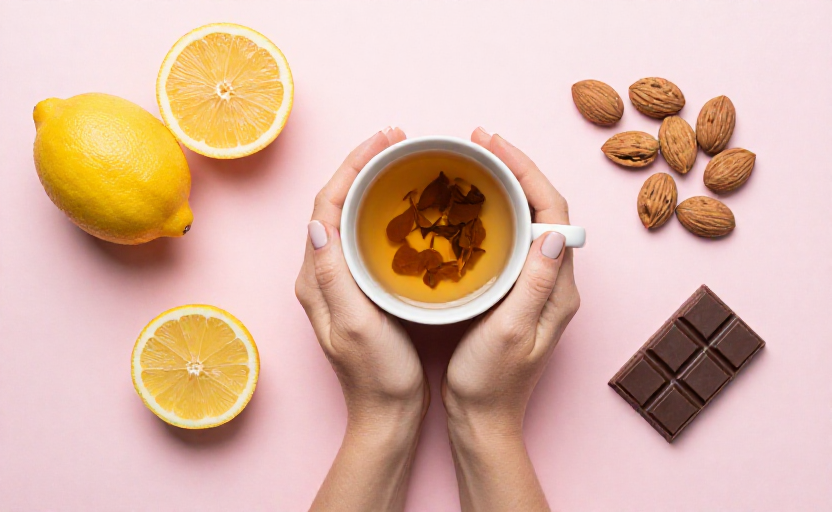
When premenstrual syndrome arrives, many of us brace for the familiar trio: bloating, irritability, and fatigue. What you eat and drink during this window can either help steady your mood and reduce water retention—or make those symptoms worse. While there’s no one-size-fits-all period diet, steering clear of certain triggers is one of the most effective ways to keep PMS discomfort in check. Below are four types of foods and beverages that tend to aggravate bloating and mood swings, along with practical tips on what to choose instead.
Why Certain Foods Trigger More Bloating and Mood Shifts
Hormonal fluctuations during the luteal phase (the week or two before your period) affect how your body retains water, digests food, and processes neurotransmitters like serotonin. Some foods amplify these effects by promoting gas retention, spiking blood sugar, or triggering inflammation. Knowing which ones to limit can help you feel more in control.
1. Salty Snacks and Processed Foods
It’s natural to crave chips, pretzels, or takeout when you’re low on energy, but high-sodium foods encourage your body to hold onto water. This can turn mild bloating into a more uncomfortable, puffy feeling. Processed items like frozen dinners, canned soups, and deli meats are often loaded with hidden salt.
What to do: Swap salty snacks for fresh fruit, unsalted nuts, or veggie sticks. If you do eat something salty, drink extra water to help flush out the excess sodium. Paying attention to labels—choosing options with less than 140 mg of sodium per serving—can make a noticeable difference.
2. Sugary Treats and Refined Carbs
Cookies, candy, white bread, and sugary cereals cause rapid spikes and crashes in blood sugar. These swings can worsen irritability, anxiety, and fatigue—exactly the mood symptoms you want to avoid. High sugar intake also feeds gut bacteria that produce gas, adding to abdominal discomfort.
What to do: When a sweet craving hits, try a piece of dark chocolate or a bowl of berries. Complex carbohydrates like oats, quinoa, and sweet potatoes provide steady energy without the crash. Pairing carbs with a little protein or healthy fat (like apple slices with peanut butter) helps keep blood sugar stable.
3. Caffeinated Beverages
That morning coffee or afternoon soda might feel necessary, but caffeine can tighten blood vessels and increase tension, making you feel jittery or anxious. It also acts as a diuretic in some, then may lead to dehydration, which paradoxically can cause the body to retain water later. For many women, caffeine worsens breast tenderness and irritability during the premenstrual week.
What to do: If you can’t skip your coffee entirely, try reducing to one cup early in the day or switching to half-caff. Herbal teas like chamomile, peppermint, or ginger tea can soothe the digestive system and help you unwind without the buzz.
4. Dairy (for Those Sensitive to Lactose)
For individuals with lactose intolerance or a sensitivity to dairy, cheese, milk, and ice cream can trigger gas, cramps, and bloating. Even if you’re not fully intolerant, progesterone slows digestion during PMS, which means dairy may linger longer in your gut and cause more fermentation and puffiness.
What to do: Experiment with lactose-free dairy or plant-based alternatives like almond, oat, or soy milk during the week before your period. If you love yogurt, choose Greek yogurt (which is lower in lactose) or probiotic-rich options that may support digestion.
Tip: Keeping a simple food diary for a couple of cycles can help you identify your personal triggers. Everyone’s body responds differently, so what bothers your friend might not bother you.
Building a Supportive PMS Diet
Beyond avoiding the foods above, focusing on whole, nutrient-dense choices can help you feel steadier. Include foods rich in magnesium (leafy greens, almonds, bananas), calcium (fortified plant milks, sesame seeds), and omega-3s (salmon, walnuts, flaxseed). Staying hydrated with water and herbal teas throughout the day supports digestion and may reduce bloating. Small, frequent meals also help keep blood sugar and mood on an even keel.
Remember, these suggestions are about general wellness and symptom management. If you experience severe PMS (premenstrual dysphoric disorder, or PMDD) or symptoms that disrupt your life, it’s always wise to speak with a healthcare professional for personalized guidance.