
Endometriosis is a condition that demands daily attention. Small lifestyle choices can either ease or aggravate the symptoms, often in ways that feel subtle until pain spikes. While many articles focus on what to add to your routine—anti-inflammatory foods, gentle exercise, stress management—it's just as important to recognize the daily habits that may be quietly making symptoms worse.
Two common habits, in particular, can trigger flare-ups or increase pelvic discomfort. Here’s a closer look at what they are and how to adjust them without overhauling your life.
Habit 1: Sleeping in a Way That Strains the Pelvis
Sleep is essential for recovery, but the wrong sleep position can put unnecessary pressure on the lower abdomen and pelvic floor. For people with endometriosis, this can mean waking up with more pain, stiffness, or even increased menstrual cramping.
Why sleep position matters
When you lie flat on your back or stomach, the weight of your body compresses the abdominal cavity. This can exacerbate inflammation and reduce blood flow to the pelvic region. Over time, poor sleep posture may also contribute to tightness in the hip flexors and lower back—two areas already vulnerable during an endo flare.
What to try instead
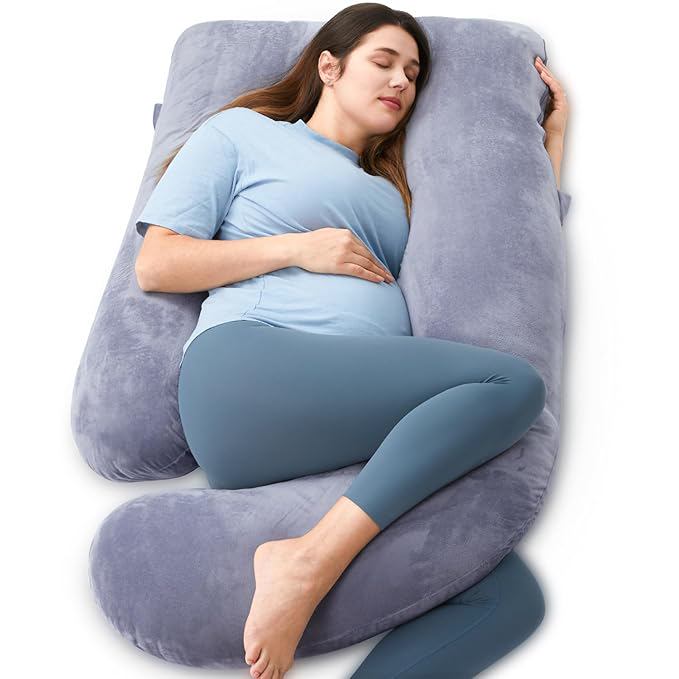
Sleeping in a modified fetal position—curled on your side with knees drawn toward your chest—can help relax the abdominal muscles and reduce tension in the pelvic area. Placing a pillow between your knees can further align the hips and prevent twisting.
Another option: lie on your back with a supportive pillow under your knees. This elevates the legs slightly, which may promote better circulation and take pressure off the lower back.
Small changes in how you position your body during sleep can make a real difference in morning pain levels.
If you frequently wake up sore, it’s worth experimenting with these postures for a few nights to see if symptoms improve.
Habit 2: Ignoring Dietary Triggers in Everyday Foods
Many people know that processed foods, sugar, and caffeine can worsen endometriosis symptoms. Yet some everyday staples—things you might not think twice about—can also contribute to inflammation or hormonal imbalance.
Common culprits
- High-sodium foods: Canned soups, deli meats, and salty snacks can cause water retention and bloating, which may increase pelvic pressure.
- Refined carbohydrates: White bread, pasta, and pastries spike blood sugar and may promote inflammatory responses in the body.
- Dairy products: For some individuals, dairy consumption is linked to increased prostaglandin production, which can intensify cramping.
These foods are not inherently “bad,” but for someone with endometriosis, they can compound symptoms when eaten regularly. The goal isn’t to eliminate them entirely—it’s to notice patterns. If you feel worse after certain meals, consider keeping a food diary for two weeks to identify triggers.
A gentler approach to eating
Instead of restrictive diets, focus on adding more whole foods: leafy greens, berries, fatty fish (for omega-3s), and fiber-rich vegetables. Staying hydrated and reducing alcohol intake can also help minimize flare-ups.
What you eat daily matters more for endometriosis than occasional treats or meals out.
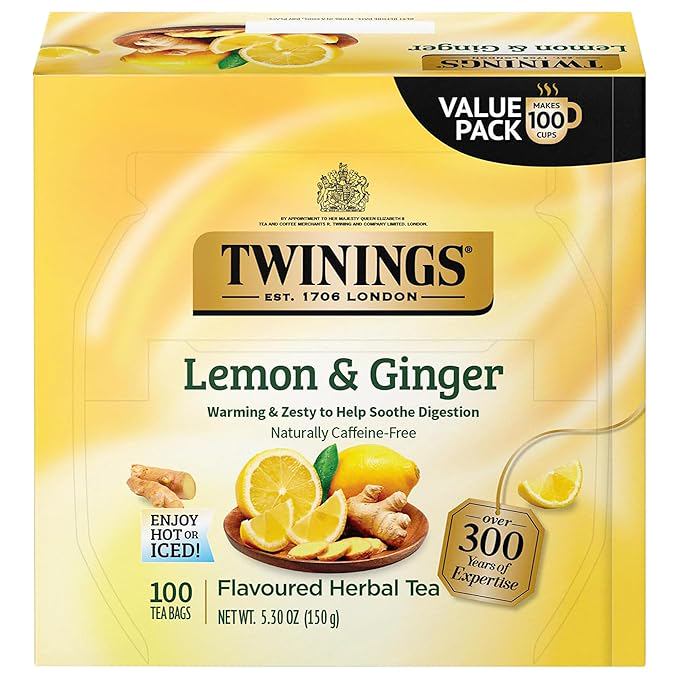
Small, consistent swaps—like choosing brown rice over white or drinking herbal tea instead of soda—can accumulate into noticeable relief over time.
How to Build a Symptom-Friendly Routine
Adjusting these two habits doesn’t require a complete lifestyle overhaul. Start by picking one area to focus on for a week—either sleep posture or a frequent food trigger. Track how you feel before and after the change.
If sleep is your starting point, consider also:
- Using a heating pad on your lower abdomen before bed
- Keeping your bedroom cool and dark
- Trying a gentle stretching routine, like child’s pose, to release pelvic tension
If diet feels more pressing, try:
- Swapping one refined snack per day for a handful of almonds or berries
- Drinking a glass of water before reaching for a second cup of coffee
- Talking to a healthcare provider about anti-inflammatory nutrition strategies
Endometriosis management is rarely about perfection. It’s about noticing which daily habits quietly drain your energy and making small corrections that support your body over the long term.