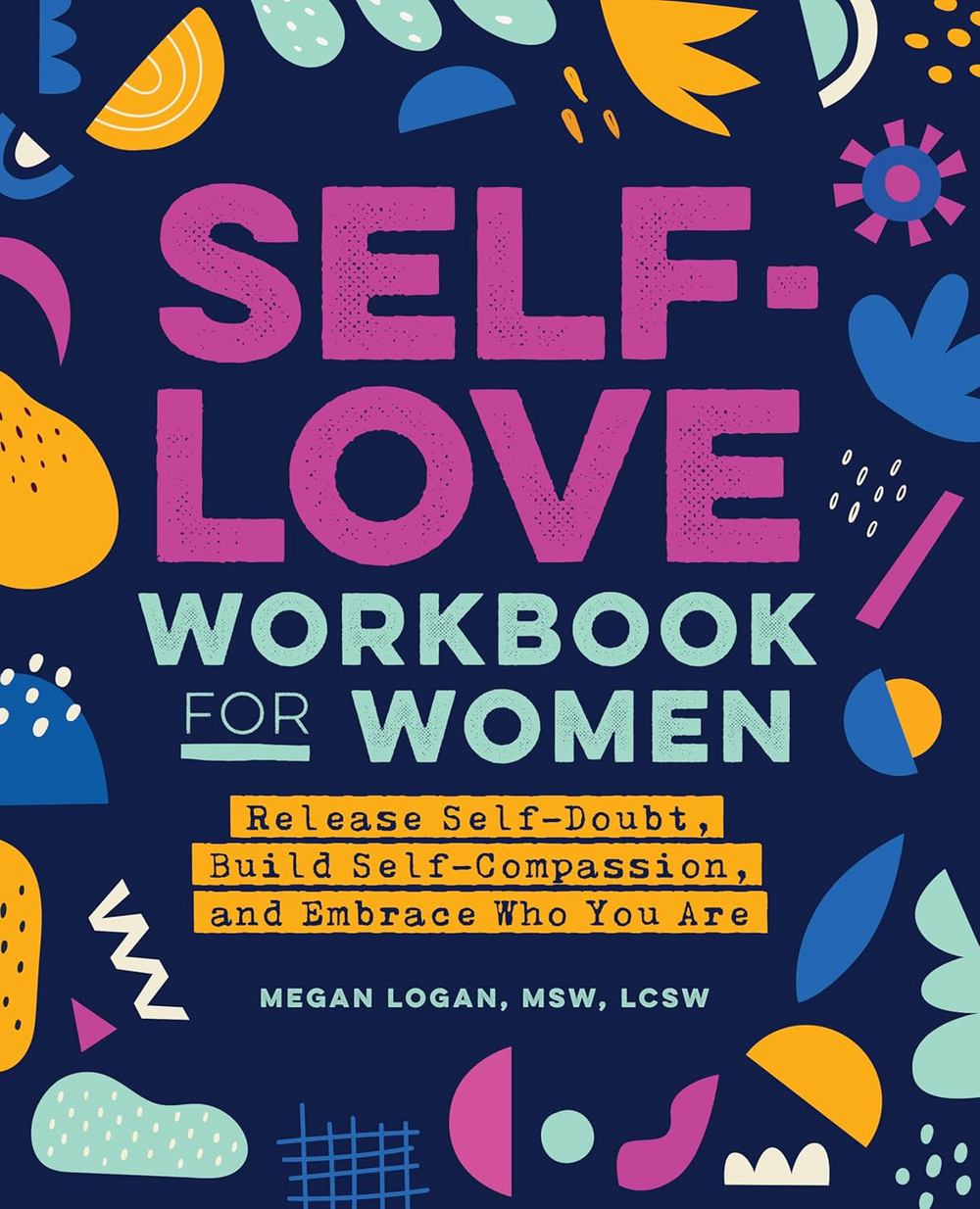

Family relationships can be some of the most rewarding—and most complicated—parts of life. When tensions flare or old patterns resurface, it is often not because anyone means harm, but because the invisible lines between where one person ends and another begins have gotten blurry. Therapists call these lines emotional boundaries, and learning how to set them is one of the most practical skills a person can develop for family healing.
Emotional boundaries are not about building walls or shutting people out. They are about understanding your own limits, communicating them clearly, and respecting the limits of others. Without them, families can fall into cycles of resentment, guilt, and over-functioning—where one person carries the emotional weight for everyone else. With them, relationships become more honest, sustainable, and kind.
What exactly are emotional boundaries?
In therapy, boundaries are often described as the rules or guidelines a person creates to protect their emotional well-being. Think of them as a personal property line. You would not let someone walk into your house and rearrange your furniture without asking. Emotional boundaries work the same way: they define what you are responsible for (your own feelings, choices, and reactions) and what you are not responsible for (someone else’s feelings, choices, and reactions).
A licensed family therapist might say that boundaries fall into several categories: physical, emotional, time-related, and conversational. In the context of family healing, emotional boundaries are especially important. They help you say no without guilt, stop taking on other people’s problems as your own, and respond rather than react during heated moments.
Why boundaries matter for family healing
Families often operate under unspoken rules that were set long ago. Maybe you were taught that expressing your needs was selfish, or that keeping the peace was more important than being honest. These patterns can persist into adulthood, making it hard to know where your feelings end and your parent’s or sibling’s begin.
When boundaries are weak or nonexistent, common problems emerge. You may feel drained after every family gathering. You might find yourself apologizing for things that are not your fault. Or you may feel guilty when you prioritize your own mental health. These are signs that your emotional boundaries need reinforcing.
Healing in a family does not mean everyone agrees. It means everyone can speak their truth without fear of retaliation or abandonment.
Therapists emphasize that boundaries are not about winning or being right. They are a tool for preserving connection without losing yourself. When you set a boundary, you are saying, “I value this relationship enough to want it to be healthy.”
Common boundary challenges in families
Every family is different, but certain boundary struggles show up frequently in therapy sessions. Recognizing them is the first step toward change.
Guilt and obligation
Many people feel they must say yes to family requests, even when it costs them their peace. A parent who expects daily calls, a sibling who unloads every problem on you, or a relative who ignores your stated limits—these situations can create a loop of guilt. Therapists often remind clients that you are allowed to set limits based on your capacity, not on someone else’s expectations.
Over-involvement in each other’s lives
In some families, everyone knows everyone’s business. While this can feel close and supportive, it can also leave no room for individual privacy or autonomy. Children who grow up in enmeshed families may struggle to make decisions without seeking approval or fear disappointing others. Learning to say “I need to think about that” or “I would rather not discuss that right now” is a powerful boundary skill.
Difficulty saying no
Saying no to someone you love can feel uncomfortable, but it does not have to be harsh. Therapists recommend using a calm, clear, and kind tone. You can say, “I love you, but I cannot do that today,” without adding a long explanation. Over-explaining can weaken your boundary and invite negotiation.
How to set emotional boundaries (step by step)
Setting boundaries is a skill that takes practice. Here is a practical approach that therapists often share with clients.
- Identify your limits. Pay attention to when you feel resentment, frustration, or exhaustion around a family member. Those feelings are clues that a boundary is needed.
- State your boundary clearly. Use “I” statements. For example: “I need some quiet time after dinner, so I will not be available for calls between 7 and 9 p.m.” Keep it specific and about your behavior, not theirs.
- Expect pushback. Especially if you have never set boundaries before, family members may be surprised or even upset. That does not mean you are doing something wrong. Stay calm and repeat your limit if needed.
- Follow through with action. A boundary without follow-through is just a suggestion. If you said you will not answer calls after 9 p.m., do not pick up. Consistency teaches others that you mean what you say.
A boundary is not a demand for someone else to change. It is a decision about what you will do to protect your own well-being.
What therapists wish everyone knew about boundaries
One of the most common misconceptions is that boundaries are selfish. In reality, they are an act of responsibility. When you take care of your own emotional health, you show up as a more grounded, present family member. You are not abandoning your loved ones; you are ensuring that you have the capacity to love them without burning out.
Another important point: boundaries can change over time. What you need during a stressful period may be different from what you need when life is calm. Being flexible and communicating openly about your needs is part of the ongoing practice of healthy relationships.
Finally, therapists caution against using boundaries as a weapon. The goal is not to punish or control others, but to create a structure where everyone’s dignity is respected. If you find yourself setting the same boundary repeatedly with no effect, it may be helpful to talk with a professional about next steps.
Moving toward healing
Family healing does not happen overnight, and it rarely happens without effort. But emotional boundaries offer a practical starting point. They give you a way to love your family without losing yourself. They make it possible to disagree without cutting ties. And they create space for the kind of honest, respectful relationships that everyone deserves.