
You’ve turned off the screens, dimmed the lights, and maybe even opened a book. But as you settle into bed, your mind is still buzzing from the day. A quiet thought surfaces: could a warm drink be the final, gentle nudge your body needs to slip into rest? The idea isn’t just cozy folklore. Sleep specialists acknowledge that certain beverages, chosen wisely, can be a supportive part of a holistic wind-down ritual.
The key lies in understanding what these drinks can and cannot do. No cup holds a magic spell for instant slumber. Instead, the right choice works in concert with your evening routine, leveraging warmth, comforting ritual, and specific compounds that may gently encourage your body’s own sleep-wake processes. It’s about setting the stage, not forcing the curtain down.
What makes a drink “sleep-friendly”?
When sleep experts suggest a wind-down beverage, they’re looking for a few specific traits. First and foremost, it should be free of sleep disruptors. The most obvious culprit is caffeine, a stimulant that blocks adenosine receptors in the brain—the very chemicals that make you feel tired. But it’s not just coffee; caffeine can hide in unexpected places like some herbal teas, decaf coffee (which still contains small amounts), and even chocolate-based drinks.
Alcohol is another common misstep. While a nightcap might make you feel drowsy initially, it significantly fragments sleep architecture, reducing restorative deep sleep and often causing mid-night awakenings. A truly sleep-friendly drink should also be low in sugar, as a blood sugar spike and crash can interfere with stable sleep.
So what’s left? The ideal candidates promote relaxation through warmth, hydration, and sometimes the presence of naturally occurring compounds like magnesium, glycine, or certain antioxidants. The act of sipping something warm is itself a parasympathetic signal, telling your nervous system it’s safe to shift from “doing” to “resting.”
Top choices from the sleep medicine toolkit
Based on the principles above, here are the categories most often mentioned by sleep professionals.
Tart cherry juice
This deep red juice has garnered attention in sleep research. Tart cherries are a natural source of melatonin, the hormone that regulates your sleep-wake cycle. They also contain anti-inflammatory compounds. Some small studies have shown that drinking tart cherry juice concentrate can lead to modest increases in sleep time and quality. The key is to look for unsweetened or minimally sweetened versions to avoid that sugar crash. A small glass about an hour before bed is the typical suggestion.
Think of tart cherry juice as a dietary nudge for your internal clock, not a potent sleep aid.
Certain herbal teas
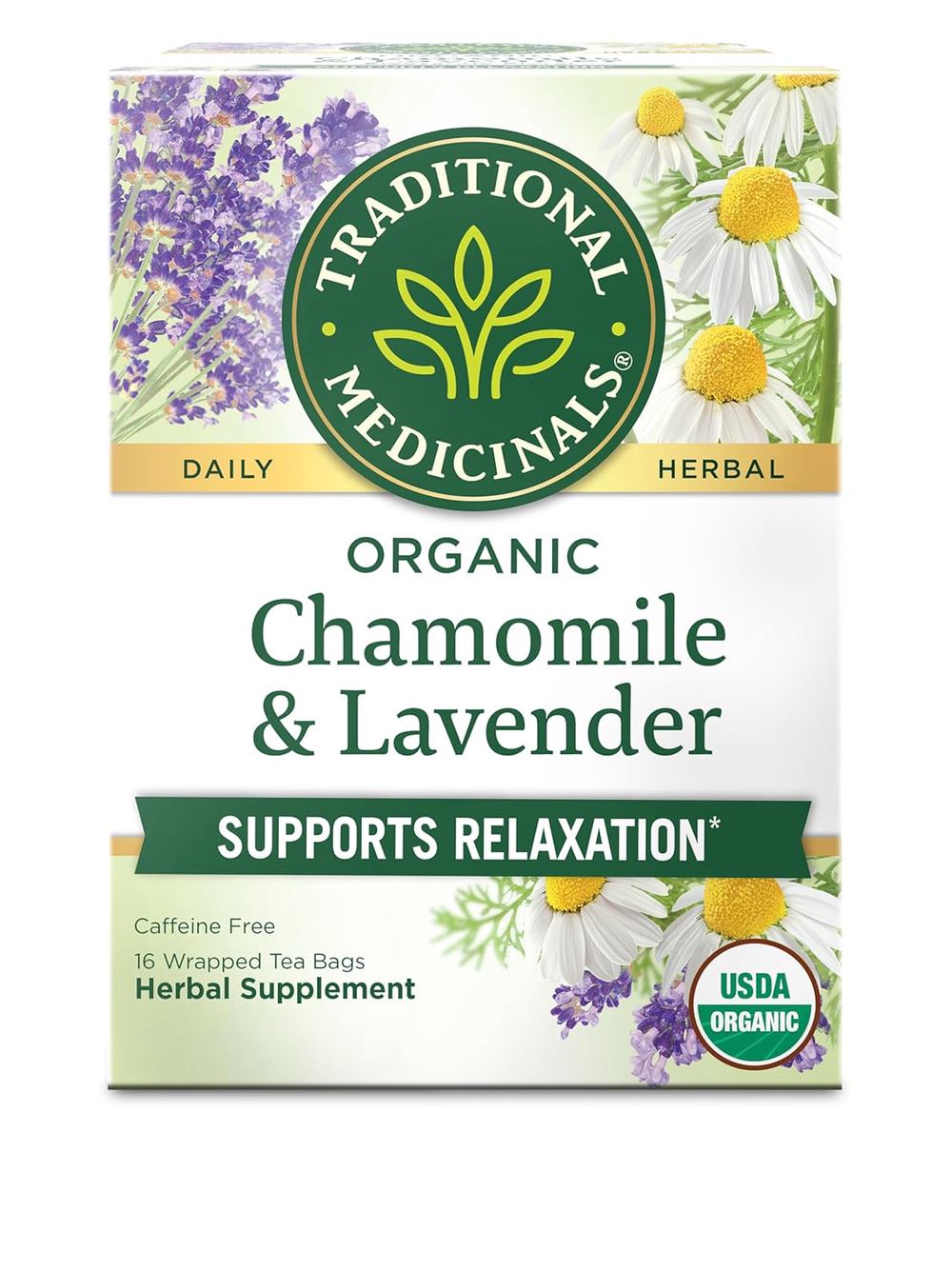
This is the classic wind-down category for good reason. Chamomile tea is the most famous, with its mild, floral flavor. It contains apigenin, an antioxidant that may bind to certain receptors in the brain, promoting mild sedation and reducing anxiety. Other herbal stars include:
- Valerian root tea: Often called “nature’s Valium,” its earthy, potent flavor isn’t for everyone, but it has a long history of use for sleep. Research on its efficacy is mixed but promising for some.
- Lavender tea: The soothing scent is translated into a gentle tea, believed to have calming, anxiolytic properties.
- Lemon balm tea: A member of the mint family, it’s associated with reduced stress and anxiety and a more relaxed state.
The ritual of brewing and steeping a cup of tea is a powerful mindfulness practice in itself, compounding the potential benefits.
Warm milk (or a dairy-free alternative)
Grandma’s advice had some merit. Milk contains the amino acid tryptophan, a precursor to serotonin and melatonin. While the amount isn’t huge, the psychological comfort and the metabolic process of digesting a warm, protein-containing liquid can be soothing. For those who avoid dairy, almond or oat milk warmed with a dash of cinnamon or nutmeg can offer a similar ritualistic comfort.
Magnesium-rich drinks
Magnesium is a mineral involved in hundreds of bodily processes, including muscle relaxation and nervous system regulation. A deficiency can contribute to restlessness. While supplements should be discussed with a doctor, sipping on a drink made with magnesium-rich powders (like natural calm magnesium citrate mixed into warm water) or even a banana-based smoothie earlier in the evening can help meet your daily needs. The warmth helps with absorption and relaxation.
How to build your perfect wind-down ritual
The drink itself is only one piece of the puzzle. To maximize its effect, weave it into a consistent 30-60 minute pre-sleep routine.
Timing is everything. Finish your drink about an hour before you intend to be asleep. This gives your body time to process the liquid (minimizing nighttime bathroom trips) and allows the relaxing effects to coincide with your bedtime.
Pair it with other calming activities. Drink your chosen beverage while reading a physical book, listening to calm music, practicing gentle stretching, or journaling. Avoid pairing it with scrolling, work emails, or stimulating TV.
Mind the temperature and portion. Warm, not scalding hot, is ideal. Keep the portion moderate—usually 6 to 8 ounces is plenty. The goal is comfort, not fullness.
Listen to your body. Not every recommended drink will work for you. If valerian tea makes you feel oddly alert or tart cherry juice bothers your stomach, honor that. The best wind-down drink is one you enjoy and that makes you feel quietly ready for rest.
What to avoid in the hours before bed
Knowing what to skip is just as important. Steer clear of:
- Caffeinated drinks: Coffee, black tea, green tea, soda, and energy drinks. Remember, caffeine’s half-life is about 5-6 hours.
- Alcohol: It may help you fall asleep faster, but it ruins sleep quality.
- High-sugar beverages: Sugary juices, sodas, or sweetened hot chocolate can cause energy fluctuations.
- Large volumes of any liquid: To prevent disruptive trips to the bathroom.
Choosing a wind-down drink is an act of gentle self-care. It’s a signal you send to your mind and body that the day is done. By selecting a beverage free of stimulants and rich in calming potential, and by pairing it with a consistent routine, you’re not just drinking tea or juice—you’re cultivating the conditions for rest to find you.